
Is your flight case handle broken? Don’t replace the entire case! This guide provides a step-by-step solution to fix your flight case by handle replacement. Whether it’s a broken latch, a damaged hinge, or a completely detached handle, we’ll equip you with the knowledge and tools to tackle this repair yourself. This process will be much easier than you think and can extend the life of your valuable gear.
Understanding Flight Case Components
Identifying the Handle and Hardware
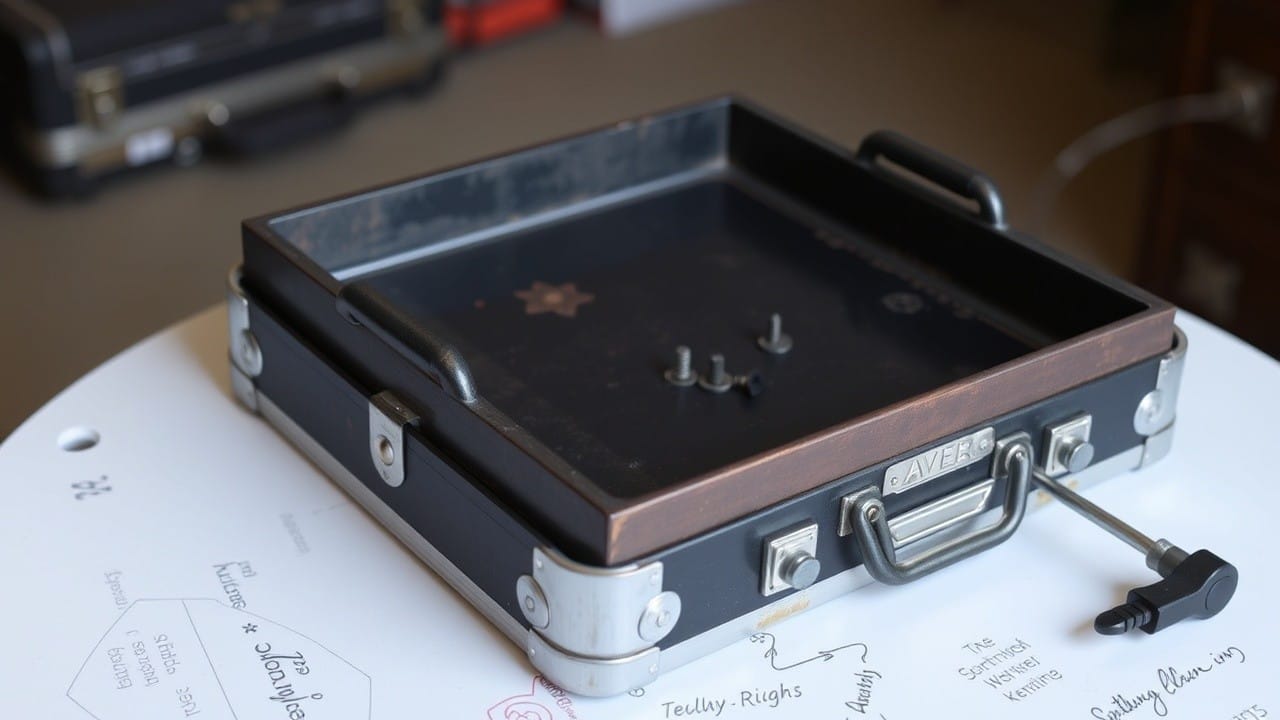
Before you begin, it’s crucial to properly identify the handle type and the necessary case hardware. Is it a recessed handle, a surface-mount handle, or a spring-loaded handle? Note the condition of the existing hardware. Inspect the handle mounts and surrounding case surface for any additional damage. Measure the length and width of the handle so you can buy the right size of handle to ensure the new handle fits properly. A quick assessment will help you select the correct replacement handle and determine what tools you’ll require.
Overview of Common Flight Case Parts
A flight case includes more than just the outer shell. Common parts include the case handle, latches, hinges, corner protectors, and internal foam or padding. Kingway Metal Co., Ltd offers many options and provides one-stop solutions for case hardware, including industrial case hardware and flight case hardware. Understanding how these components fit together is essential for effective repairs. The closure of your flight case protects your valuable gear, so do not ignore any broken parts. They also focus on industrial furniture accessories, window and door hardware, and building or construction hardware.
Importance of a Durable Handle
The case handle is a critical component of any flight case, serving as the primary point of contact for transportation. Flight case manufacturers require robust hardware that can withstand frequent handling and harsh environments, especially on the road or stage. The handle must be durable enough to support the weight of the case and its contents, preventing accidental drops and potential damage to your equipment. They need hardware that offers superior durability and corrosion resistance. A sturdy handle ensures your valuable equipment, like a guitar, remains protected during transit.
Assessing the Need for Handle Replacement

Signs of a Broken Handle
Several signs indicate the need for a case handle replacement. Obvious signs include a completely broken handle or a handle that has detached from the case. Other indicators might be more subtle, such as cracks in the plastic handle, loose rivets, or a handle that no longer retracts properly. Difficulty in lifting or carrying the flight case comfortably can also suggest a compromised handle. It is important to check the condition of the case hardware and look for broken latches or damaged hinges. Any of these issues compromise the integrity of the flight case and risk damage to the internal gear inside..
Evaluating Case Condition
Before initiating handle replacement, assess the overall condition of the flight case. Examine the case hardware around the handle mounts. Look for signs of stress, such as cracks, warping, or weakening of the case material, especially the plastic, around the mounting holes. Also, evaluate the internal condition of the case. If the case itself is severely damaged, handle replacement alone might not be a sufficient solution, and it might be more appropriate to consider replacing the entire case. If the case is in good condition, handle replacement is a cost-effective solution to extend its life.
When to Consider Replacement
Consider handle replacement when the existing handle is broken or significantly damaged, but the rest of the flight case remains in good condition, as this is a crucial suggestion for maintaining functionality. If the handle is loose, cracked, or detached, replacing it will restore the case’s functionality and ensure safe transport of your gear. Also, consider upgrading to a more robust handle for added durability, especially if you frequently travel or handle heavy loads. If there are two broken handles like the latch or hinge, it is a good time to check the overall condition of your luggage. Kingway Metal Co., Ltd can provide you with many options of case handle and case hardware.
Gathering Necessary Tools and Materials

Tools Required for Handle Replacement
Embarking on a successful case handle replacement project requires the right tools. The essential tools include screwdrivers (both Phillips and flat-head) to remove the existing case hardware and a block for leverage. You also require pliers for gripping and manipulating rivets or fasteners. A drill with an assortment of drill bits is vital for creating new mounting holes at the bottom, if needed. A measuring tape will guarantee that the new handle fits properly. Always have safety glasses and work gloves to protect yourself during the repair process, especially when using sharp tools like a blade. These tools, plus a bit of patience, will make the handle replacement process much easier.
Types of Handles and Where to Buy
Different types of case handles exist to accommodate various needs, including those with a spring mechanism for easier operation. Recessed handles are flush with the case surface and are ideal for space-saving designs. Surface-mount handles are attached to the exterior, offering a sturdy grip. Spring-loaded handles retract automatically, minimizing the risk of damage. When purchasing a new handle, consider the material and the overall quality. Kingway Metal provides a Custom Medium Black Case Handle with a customized design and black finish. They also have a Custom Small Zinc Plated Case Handle with a customized design and zinc plated finish. Kingway Metal offers a Custom Small Black Stainless Steel Case Handle with a customized design and black stainless steel finish. To buy handles like these, visit the manufacturer’s website.
Choosing the Right Case Hardware
Selecting the right case hardware is crucial for durability and longevity. Consider the material, finish, and load-bearing capacity. Stainless steel is an excellent choice for corrosion resistance, particularly in humid environments. Zinc plating provides an additional layer of protection against rust. Kingway Metal supplies flight case hardware made of stainless steel (304, 316L/V4A) with black E-coating surface. They also provide flight case hardware made of carbon steel with zinc plating. Zinc plating is important for corrosion resistance, especially in humid climates, to protect metal components inside the case. They offer small stainless steel case latches. Steel zinc plated case corners are also available. Always measure the existing hardware to ensure the new components fit properly.
Step-by-Step Handle Replacement Process

Removing the Old Handle
The first step in handle replacement is to remove the old handle. Start by inspecting how the handle is attached. Some handles are secured with rivets, others with screws or bolts. Use the appropriate tool to loosen and remove these fasteners. If the rivets are stubborn, you may need to use a drill to carefully drill them out. Once the fasteners are removed, gently detach the old handle from the case. Be mindful not to damage the surrounding case material during the removal process. Ensure you have access to the internal of the case, as some fasteners may require you to hold the internal component in place to remove.
Preparing the Case for the New Handle
After removing the old handle, prepare the case for the new one. Clean the area around the mounting holes to remove any debris or adhesive residue. Inspect the mounting holes for any damage or wear. If the holes are stripped or damaged, you may need to drill new ones. Measure the distance between the holes on the new handle and mark the corresponding locations on the case. Use a drill with the appropriate size drill bit to create new mounting holes if needed. Reinforce the area around the new holes with additional case hardware, if you require, to enhance durability.
Installing the New Handle
With the case prepared, it’s time to install the new case handle, ensuring it aligns in the correct direction for optimal use. Align the new handle with the mounting holes. Insert the new fasteners (screws, bolts, or rivets) through the handle and into the mounting holes. Tighten the fasteners securely, but avoid over-tightening, which can damage the case material. Test the handle to ensure it is firmly attached, functions smoothly, and can withstand a push or pull. If using rivets, ensure they are properly set to create a strong and lasting connection. The handle fits and now you can extend the life of your luggage. Now you have a fix for your broken case handle.
Finishing Touches and Testing
Securing the Handle and Latch
After installing the new case handle, ensure it is securely attached to the flight case. Double-check that all rivets, screws, or bolts are tightly fastened, preventing any wobbling or loosening during transit in any direction. Give the handle a firm tug to ensure it can withstand the weight of the case and its contents. If the handle feels unstable, reinforce the attachment points with additional case hardware or consider using a stronger adhesive to secure the mount. Also inspect the latch on the luggage. Do not avoid this part of the testing. Properly securing the case ensures reliable performance.
Testing the Handle Functionality
Testing the case handle functionality is an important step to guarantee its reliability inside the flight case. Lift the flight case by the handle and carry it around to assess its comfort and stability. Check that the handle retracts smoothly if it’s a spring-loaded type. Ensure the handle doesn’t slip or rotate during lifting. Test any locking mechanisms to confirm they engage securely, ensuring the contents inside are protected. If the handle includes a grip or padding, evaluate its comfort and effectiveness. The case handle fits and is the right size. These tests ensure the handle performs as expected under real-world conditions. A broken latch and case handle are now a thing of the past!

Final Inspection of the Flight Case
Perform a final inspection of the hard case to ensure everything is in working order. Check the hinges, latches, and corner protectors for any signs of damage or wear. Ensure the closure is properly sealed and that all hardware components are securely fastened. Inspect the interior of the flight case for any loose items or potential hazards that could damage your gear. Replace or repair any damaged parts to maintain the integrity of the case. A quick and thorough inspection ensures your luggage is ready for its next journey, providing optimal protection for your valuable equipment on the road or stage.
Additional Tips for Flight Case Maintenance
Regular Checks for Wear and Tear
To extend the life of your flight case, implement a routine maintenance schedule. Regularly inspect the case hardware, including handles, latches, and hinges, for signs of wear and tear. Look for cracks in the plastic or leather, loose rivets, or corroded metal components. Check the handle for any looseness or instability, as this could affect its ability to support the weight at the bottom of the case. Address minor issues promptly to prevent them from escalating into major problems. Regular checks will help you identify potential failures and maintain the case in optimal condition, protecting your valuable gear.
Maintaining Other Hardware Components
Extend your maintenance efforts beyond the handle to include all case hardware components. Lubricate hinges and latches to ensure smooth operation. Tighten any loose screws or bolts. Replace worn or damaged corner protectors to maintain the case’s structural integrity. Clean the case surface regularly to remove dirt and grime. Pay attention to the internal padding or foam, replacing it if it becomes compressed or damaged. Maintaining all hardware components ensures your flight case remains reliable and functional for years to come. Kingway Metal provides many options of case hardware to equip you with the right size parts.
Accessing Professional Luggage Repair Services
While many repairs can be done DIY, some issues require professional assistance. If you are not comfortable performing handle replacement yourself, or if the damage is extensive, seek out a reputable luggage repair service. Luggage shops often have expert technicians who can assess the damage and provide effective solutions. They have specialized tools and expertise to address complex repairs, ensuring the job is done correctly and efficiently. They can also provide advice on proper case maintenance to extend its lifespan. A professional luggage repair shop is a valuable resource for maintaining your flight case in top condition.
