
When it comes to protecting valuable equipment during transport, nothing beats the reliability and durability of a heavy-duty flight case. Choosing the right hardware, especially the case latch, is paramount to ensuring your gear arrives safely. Kingway Metal offers a wide selection of latches designed for various applications, guaranteeing your road case provides the ultimate security and protection. As a leading case hardware manufacturer, we understand the importance of secure and dependable components in every build.
Understanding Heavy Flight Cases
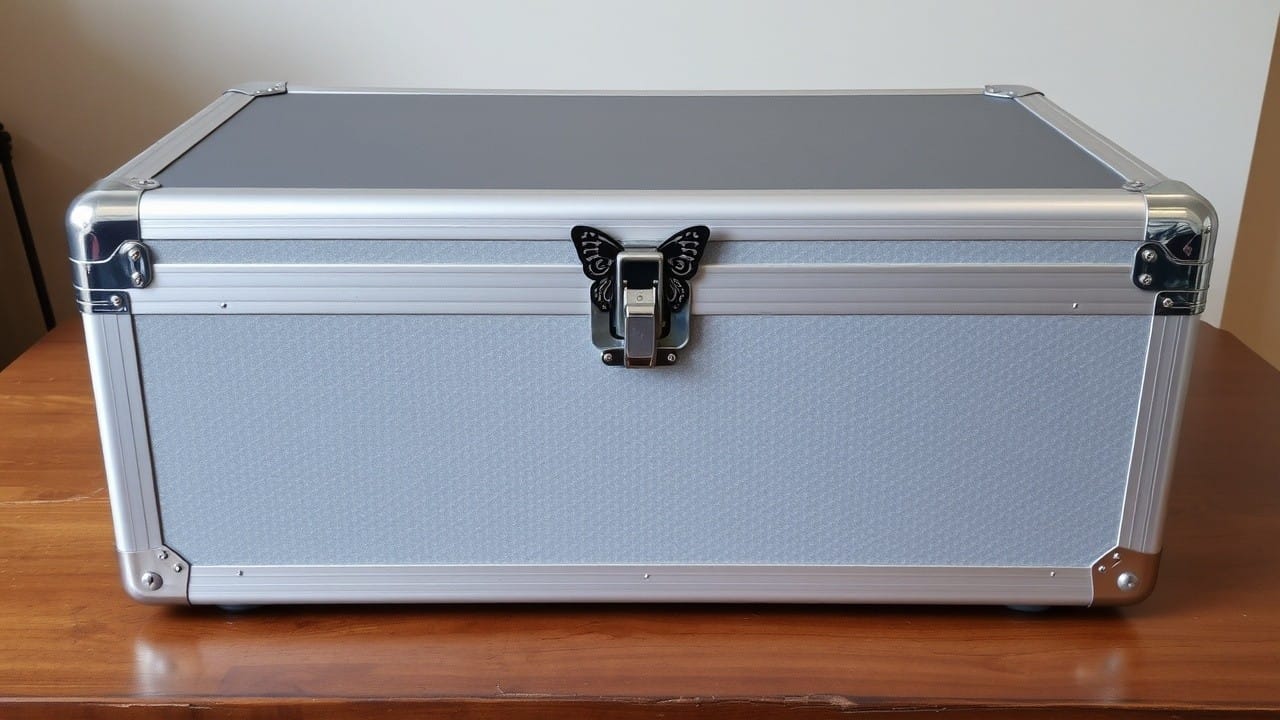
What is a Heavy Flight Cases?
A heavy flight case is a specialized type of case designed to protect sensitive equipment during transport, especially in demanding environments. These cases are often used in the entertainment, music, and AV industries. Typically constructed with plywood, aluminum extrusion, and robust case hardware, a flight case is built to withstand the rigors of touring and live events. The ideal flight case provides a secure enclosure, safeguarding contents from impact, vibration, and environmental factors. Critical to the functionality of any flight case is the type of case latch used to secure the lid to the case.
Importance of Quality Hardware in Heavy Flight Cases
The integrity of a flight case hinges on the quality of its hardware. Subpar components can compromise the case’s ability to protect equipment. High-quality hardware, like durable latches, ensures a secure closure, preventing accidental openings during transport. Investing in reliable case parts, such as steel latches and robust handles, minimizes the risk of damage to valuable instruments and gear. Choosing the right material for the hardware, like stainless steel or zinc, ensures the longevity and reliability of the case. Kingway Metal’s hardware options offer superior security.
Common Use Cases for Heavy Flight Cases
Heavy flight cases are indispensable across various industries. Musicians rely on them to protect guitars, amplifiers, and other instruments while on tour. The AV industry uses flight cases to transport sensitive equipment like mixing consoles, lighting controllers, and projectors. These cases also serve to transport rack equipment safely. Professionals in these fields understand the need to protect equipment when it comes to live events. These cases provide a secure solution for protecting sensitive equipment from potential damage during transport and storage.
Types of Latches for Heavy Flight Cases
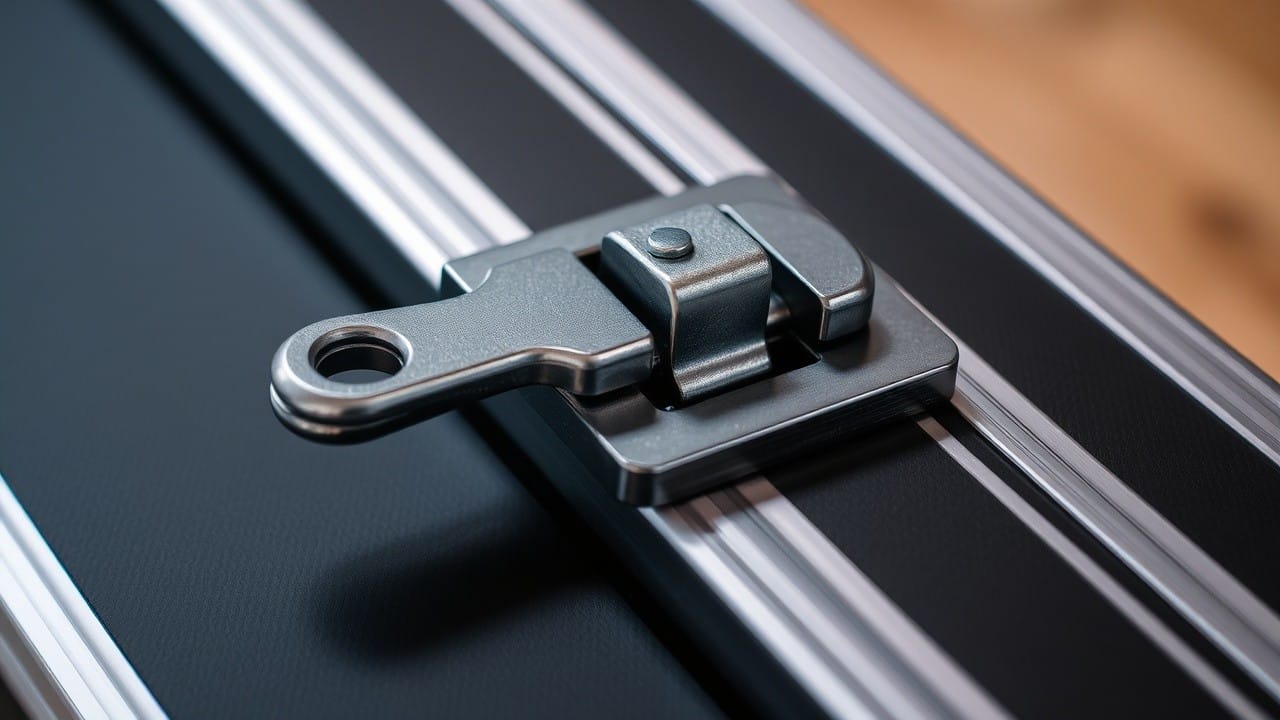
Overview of Different Latch Types
Various latch types cater to specific flight case needs. To select the right one, consider key factors such as:
- Required security, ensuring your case remains closed during transit.
- Ease of use, allowing for quick and efficient opening and closing.
- The flight case design, guaranteeing compatibility and a seamless fit.
Material Considerations for Latches
The material a latch is made from significantly impacts its durability and reliability. Several materials are used, each with its own advantages:
- Stainless steel latches are resistant to corrosion, making them ideal for humid or marine environments.
- Carbon steel provides strength and is often zinc plated for added corrosion resistance.
- Aluminum latches offer a lightweight yet durable solution, making them a popular choice for builders of heavy flight cases.
Kingway Metal supplies flight case hardware to premium plastic flight cases manufacturers in America and Europe, particularly those with black E-coating surfaces, made of stainless steel (304, 316L/V4A) with black E-coating surface. The choice of material should align with the intended use and environmental conditions to ensure longevity.
Choosing the Right Latch for Heavy Flight Cases
Selecting the right latch involves considering the weight and dimensions of the equipment being protected, the frequency of use, and the level of security needed. For heavy equipment, heavy-duty latches with robust construction are essential. Lockable latches provide an extra layer of security, preventing unauthorized access. Recessed latches minimize the risk of damage during transport, while surface-mount latches offer ease of installation. Consider the load the latches are built to withstand, the ease of tool-free access, and whether the case is ATA specification compliant to ensure the best choice for your application.
Essential Case Hardware Components
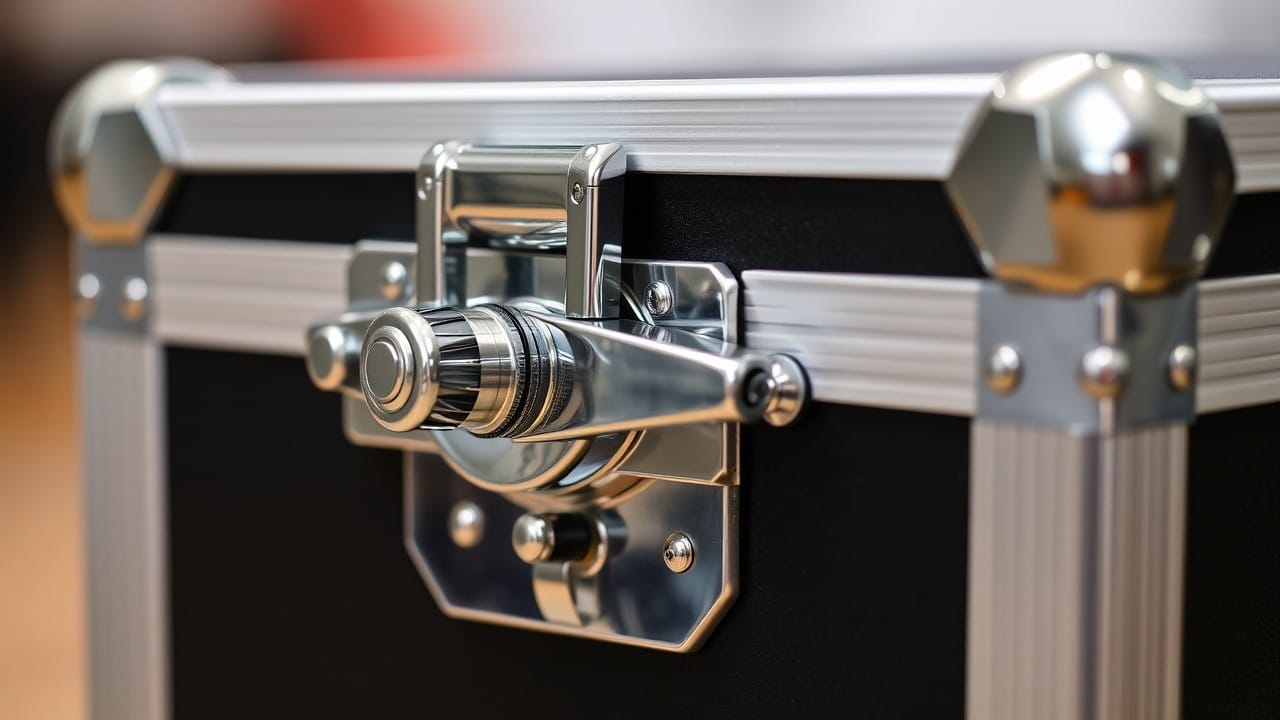
Key Components of a Heavy Flight Cases
Beyond the latch, a heavy flight case comprises several essential hardware components. To ensure durability and ease of use, flight cases often incorporate features such as:
- Handles for easy carrying and transport.
- Corners to protect the case from impact.
- Aluminum extrusion to reinforce the edges.
- Interior padding and dividers to safeguard the equipment inside.
- Lid stays to support the lid when open.
- Wheels to enhance mobility.
Each component plays a crucial role in the overall functionality and protective capabilities of the flight case, including the draw latch and spring mechanisms. Kingway Metal offers one-stop solutions for all case hardware needs, ensuring a secure and reliable build.
Role of Hardware in Securing Equipment
Hardware is paramount in securing equipment within a flight case. High-quality latches ensure a secure closure, preventing accidental openings during transport. Robust handles and wheels facilitate safe and easy handling of the flight case box. Corner protectors safeguard against impact damage. Interior padding cushions equipment, minimizing vibration and shock. All the case hardware plays a vital role in protecting sensitive equipment from the rigors of travel, ensuring its safe arrival at the destination. Choosing the right case parts is essential for a secure system.
Upgrading Your Flight Case Hardware
Upgrading flight case hardware can significantly enhance its performance and longevity. Replacing worn or damaged latches with durable, lockable options improves security. Upgrading handles and wheels enhances portability and ease of use. Adding corner protectors and edge reinforcement increases the case’s resistance to impact. Consider stainless steel or zinc-plated components for improved corrosion resistance. Upgrading to high-quality hardware extends the life of the flight case and ensures continued protection of valuable equipment, providing a worthwhile investment for professionals in various industries.
Choosing the Best Latch for Your Needs
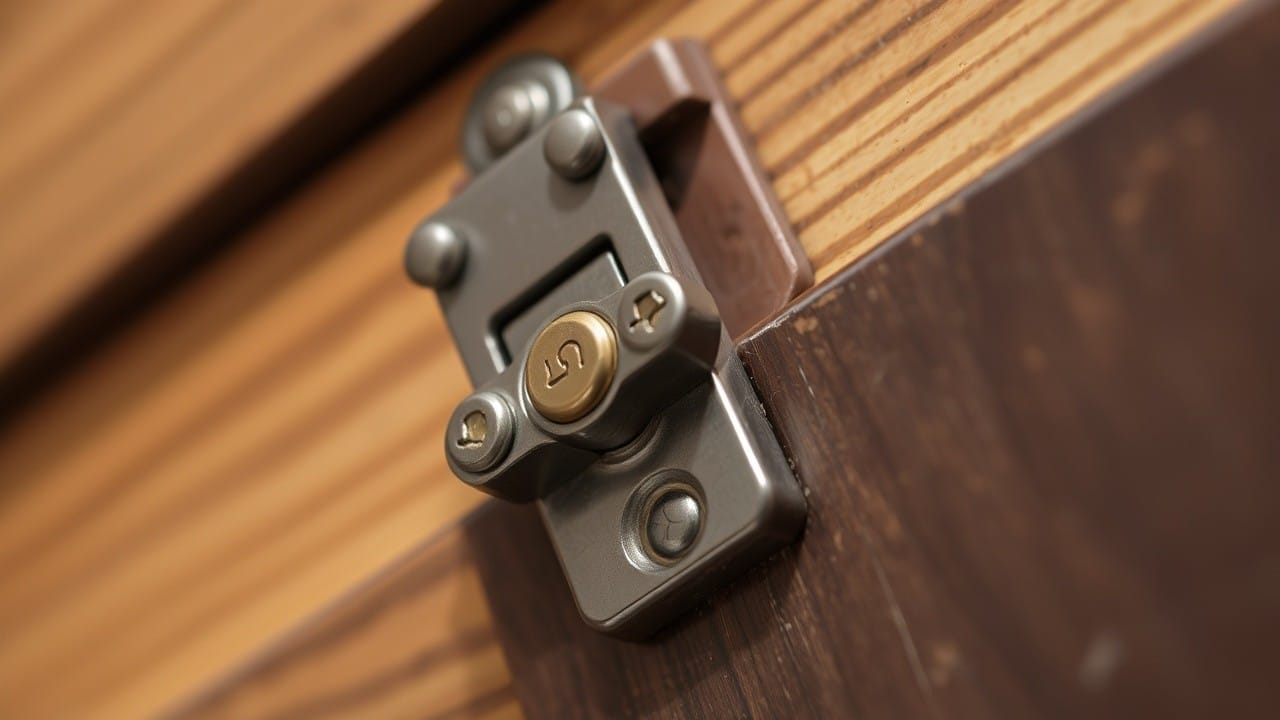
Factors to Consider When Selecting a Latch
Selecting the ideal case latch demands careful consideration of several factors to ensure secure closure and protection for your valuable equipment. The size and weight of your gear are paramount; heavy equipment requires heavy-duty latches capable of withstanding substantial loads. Consider the frequency of transport and the environment the flight case will endure. Stainless steel or zinc-plated latches are essential for corrosion resistance in humid or marine environments. The level of security needed should also influence your decision; lockable latches provide an added layer of protection against unauthorized access, ensuring sensitive equipment remains safe during tour.
Comparative Analysis of Popular Latch Brands
When comparing case latch brands, assessing material quality and construction is critical for optimal reliability. Penn Elcom is a recognized brand known for its robust and durable flight case hardware. Evaluate the specific features of each brand, such as the type of latch mechanism (butterfly latches, slam latches, surface latches) and the material used (stainless steel, aluminum). Consider the ease of installation and maintenance, along with the availability of replacement case parts. Examining customer reviews and industry ratings can provide valuable insights into the performance and longevity of different latch brands.
Customer Reviews and Recommendations
Customer reviews offer valuable insights into the real-world performance and reliability of various case latches. Look for feedback regarding the ease of installation, durability, and security provided by different latch types. Positive reviews often highlight the robustness of stainless steel latches and the convenience of recessed latches. Pay attention to any recurring issues or complaints, such as latch failure or difficulty in operation. Recommendations from other professionals in the AV, music, and entertainment industries can provide valuable guidance in selecting the best latch for your specific needs.
Installation and Maintenance Tips
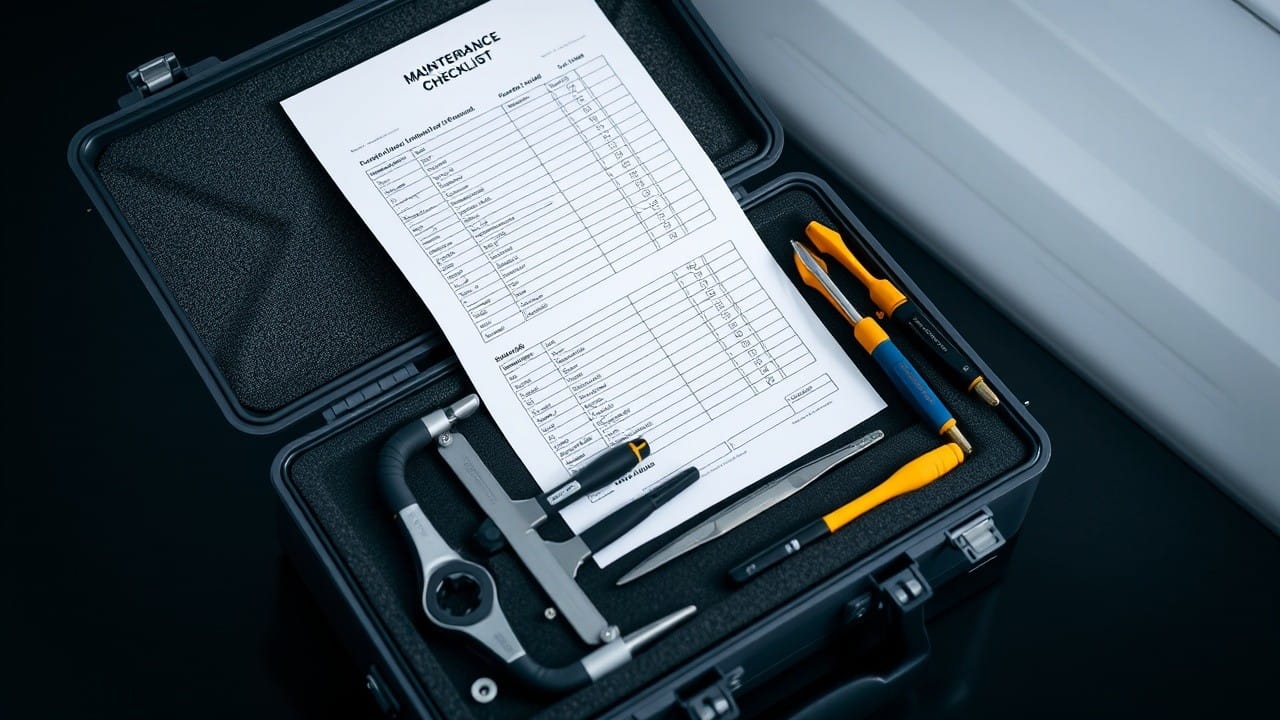
How to Properly Install Latches on Flight Cases
Proper latch installation, especially with an offset design, is crucial for ensuring a secure and reliable flight case. Begin by carefully measuring and marking the placement of the latch and catch plate on the case lid and body. Use the appropriate fasteners (rivets, screws, or bolts) to securely mount the latch, ensuring it aligns properly with the catch. For recessed latches, use a router or jigsaw to create a recess for flush integration with the case surface. Double-check all connections to ensure they are tight and secure before loading equipment into the case. Kingway Metal parts makes the installation of custom latches easier.
Maintaining Latch Integrity Over Time
Regular maintenance is essential for preserving the integrity and functionality of your flight case latches over time. Clean the latches periodically to remove dirt, dust, and debris that can interfere with their operation. Lubricate the moving parts of the latch with a light oil or silicone spray to ensure smooth and easy closure. Inspect the latches regularly for signs of wear, damage, or corrosion. Replace any worn or damaged case parts promptly to prevent further issues and maintain the security of your flight case and protect equipment safely.
Common Issues and Troubleshooting
Several common issues can arise with flight case latches, affecting their performance and reliability. Misalignment can prevent the latch from engaging properly with the catch plate, resulting in a loose or insecure closure. Corrosion can weaken the latch mechanism, leading to breakage or failure. Loose fasteners can compromise the security of the latch and affect its alignment. If you encounter any of these issues, address them promptly by realigning the latch, cleaning and lubricating the mechanism, or tightening or replacing any loose fasteners. Consider an upgrade of material, like stainless steel, to increase its life and protection.
