
What Is a Folding Flight Case Handle?
A folding flight case handle is a specialized, heavy-duty handle designed for protective cases used in transportation-heavy environments. Unlike fixed handles, these handles fold flat against the case when not in use, reducing snag risks and saving space during stacking, shipping, or storage.
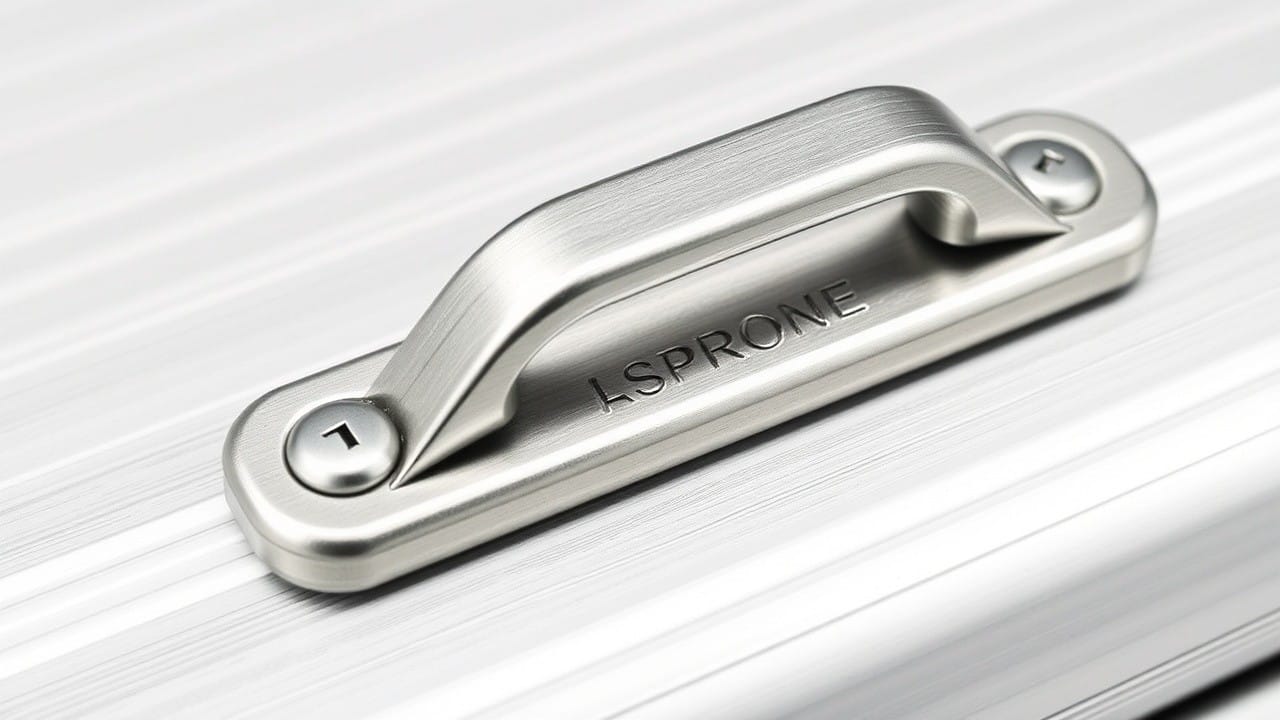
At its core, a folding flight case handle allows users to lift, carry, and maneuver heavy cases safely. The folding mechanism ensures that once released, the handle returns to a recessed or flat position. This design protects both the handle and surrounding equipment from accidental damage.
Why Folding Handles Are Preferred
Professionals in touring, logistics, aviation, and industrial sectors prefer folding handles because they:
- Prevent accidental breakage during transit
- Improve stacking efficiency
- Enhance safety for handlers
- Offer a cleaner, more professional appearance
A folding flight case handle is not just a convenience—it’s a critical safety and durability feature.
Types of Folding Flight Case Handle
Not all folding handles are the same. Choosing the right type depends on case design, load requirements, and user preference.

Recessed Folding Handles
Recessed handles sit inside a cutout cavity in the case wall for better contact and protection. When folded, they lie flush with the surface.
Advantages:
- Maximum protection from impact
- Ideal for stacking and tight cargo spaces, especially with heavy duty case hardware.
- Professional-grade appearance
These are the most common folding flight case handle style in road cases and touring equipment.
Surface-Mounted Folding Handles
Surface-mounted handles attach directly to the exterior panel without a deep recess.
Advantages:
- Easier installation of road case handles can enhance usability.
- Suitable for thinner panels
- Lower manufacturing cost
While slightly more exposed, they still provide folding functionality and solid load performance.
Spring-Loaded and Butterfly Handles
Spring-loaded handles automatically return to a closed position when released. Butterfly handles combine latching and handle functions.
Advantages:
- One-handed operation is more comfortable with pull out handles.
- Reduced rattling during transport is achieved with high-quality road case handles.
- Enhanced user efficiency
For frequent use, these designs improve workflow and safety.
Materials Used in Folding Flight Case Handle Design
Material choice plays a major role in strength, weight, and longevity.

Steel Handles
Steel is the most common material for a folding flight case handle due to its exceptional strength.
Key benefits:
- High load capacity
- Excellent impact resistance is a key feature of heavy duty case hardware.
- Long service life
Steel handles are often zinc-plated or powder-coated for corrosion resistance.
Aluminum Handles
Aluminum offers a lighter alternative without sacrificing too much strength.
Key benefits:
- Reduced overall case weight can be achieved by using lightweight, durable materials in case hardware.
- Natural corrosion resistance
- Sleek, modern finish
These are ideal when weight restrictions are critical, such as air freight.
Zinc Alloy and Composite Options
Zinc alloys provide good strength with complex molding options, while composites focus on weight reduction, making them ideal for case hardware.
Best for:
- Medium-duty cases often utilize durable road case handles.
- Specialized environments with durable road case handles.
- Cost-sensitive projects
Load Capacity and Weight Ratings
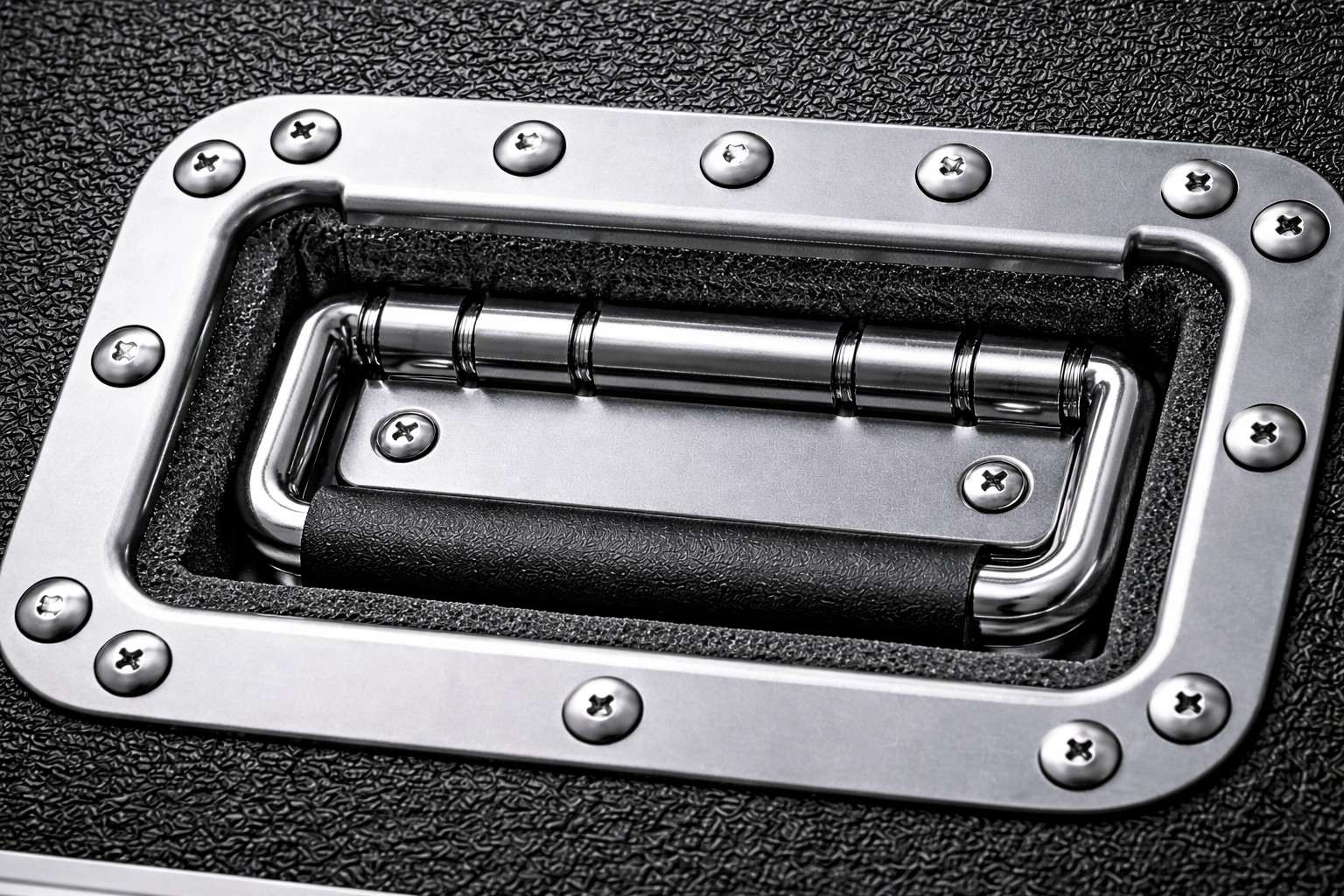
One of the most critical aspects of a folding flight case handle is how much weight it can safely support.
Static vs Dynamic Load
- Static load refers to the weight supported when the case is lifted and held steady.
- Dynamic load accounts for movement, drops, and sudden force changes.
Always select a folding flight case handle rated well above the expected dynamic load.
Safety Margins Explained
Industry best practice recommends a safety factor of at least 3:1.
For example, if a case weighs 30 kg, the heavy duty handle should be rated for at least 90 kg.
This margin protects users and equipment during unexpected stress.
Ergonomics and User Comfort
Even the strongest handle fails if it’s uncomfortable or unsafe to use.
Grip Shape and Depth
An ergonomic folding flight case handle should:
- Fit comfortably in the hand
- Distribute pressure evenly
- Avoid sharp edges
Deeper grips reduce finger strain, especially for heavier cases.
Hand Clearance and Finger Safety
Recess depth and opening angle must allow full hand entry without pinching. High-quality handles include rounded edges and controlled spring tension.
Installation and Mounting Methods
Proper installation ensures the folding flight case handle performs as intended.
Riveting vs Bolting
- Riveting offers permanent, vibration-resistant mounting
- Bolting allows easier replacement and maintenance
For touring cases, rivets with backing plates are often preferred.
Panel Cutout Accuracy
Recessed handles require precise cutouts. Poor alignment can weaken the panel and reduce load performance.
Always reinforce cutouts with aluminum or steel plates.
Folding Flight Case Handle Applications
The versatility of a folding flight case handle makes it essential across industries.
Audio and Lighting Equipment
Used in:
- Speaker road cases
- Mixer consoles
- Lighting rigs
Handles must endure frequent loading and unloading.
Military and Industrial Cases
In these environments, handles face extreme conditions including vibration, dust, and moisture. Heavy-duty steel folding handles dominate this sector.
Trade Shows and Touring
Fast setup and teardown demand reliable, ergonomic handles that withstand constant use.
Durability, Testing, and Standards
A premium folding flight case handle undergoes rigorous testing.
Vibration and Impact Resistance
Quality handles are tested for:
- Repeated lift cycles
- Drop impact
- Long-term vibration
This ensures reliability during transport.
Corrosion and Finish Quality
Finishes such as powder coating, anodizing, or zinc plating protect against rust and wear, extending handle lifespan.
Choosing the Right Folding Flight Case Handle
When selecting the right handle, consider:
- Case weight and size
- Frequency of use
- Environmental exposure
- Mounting style
A well-chosen folding flight case handle improves safety, efficiency, and professionalism.
Maintenance and Replacement Tips
- Inspect handles regularly for looseness
- Replace worn springs immediately
- Clean debris from recessed cavities to ensure smooth operation of the case hardware.
Proactive maintenance prevents failure during critical operations.
Frequently Asked Questions (FAQs)
Conclusion
A folding flight case handle is a small component with a massive impact on safety, usability, and durability. By understanding handle types, materials, load ratings, and installation methods, you can confidently select the best option for your application. Whether for touring, industrial transport, or professional logistics, the right folding handle ensures your equipment arrives safely—every time.
