
When it comes to flight road cases, understanding the significance of each component is crucial for ensuring your valuable equipment remains safe and secure during transport. At Kingway Metal, we recognize the importance of robust construction and offer a wide variety of high-quality road case hardware solutions to meet diverse needs. One of the most critical aspects of a durable flight case is the number and type of corners used. Let’s delve into why corners matter and how to choose the ideal ones for your specific application, especially in relation to impact points.
Understanding Flight Road Cases
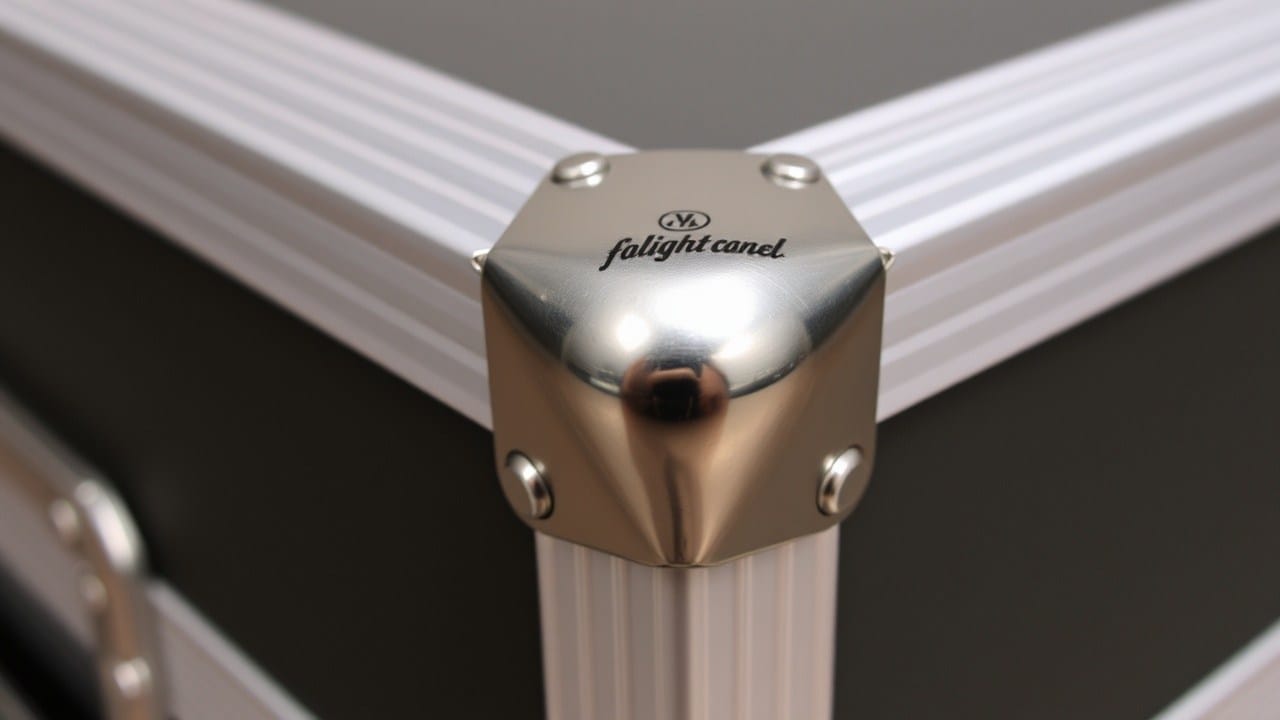
What is a Flight Road Case?
A flight case, often referred to as a road case, is a specialized type of protective container designed to transport sensitive equipment safely. These cases are commonly used in the music industry for guitars and amps, as well as in various other sectors for items needing secure transport, such as delicate instruments, electronics, and film equipment. Built to withstand the rigors of touring and frequent handling, a flight road case is an essential investment for anyone needing to protect their gear from damage during transit and storage. The construction typically involves sturdy materials like wood and aluminum, reinforced with reliable hardware to ensure the contents inside remain safe from bumps and impacts.
Importance of Corners in Road Cases
The corners of a road case are among the most vulnerable points, as they are frequently subjected to impacts and bumps during handling. Reinforcing these corners with appropriate hardware is essential to maintain the structural integrity of the case and protect your gear. Corners act as a protective barrier, with a groove design that absorbs and distributes impact forces to prevent damage to the case’s edges and the equipment inside. Choosing the right corner hardware contributes significantly to the overall durability and longevity of the flight case. Proper corner fitting ensures that the case can withstand the challenges of touring and transport, providing reliable protection every time.
Types of Corners Used in Flight Cases
There are several types of corners available for flight cases, each designed for specific applications and levels of protection, including those with a recess for added durability. Selecting the right type of corner involves considering the size limitations of your case, the weight of the equipment, and the expected level of stress during transport. Different corner types offer distinct features:
| Corner Type | Characteristics |
|---|---|
| Ball Corners | Rounded shape, provide robust protection against impacts. |
| Flat Corners | Flush, streamlined look, often used with angle extrusions. |
| Double/Single Angle Corners | Provide varying degrees of reinforcement. |
At Kingway Metal, we offer a variety of materials and corner styles to meet your custom requirements, ensuring your flight case is equipped with the hardware to get the job done.
Choosing the Right Corners
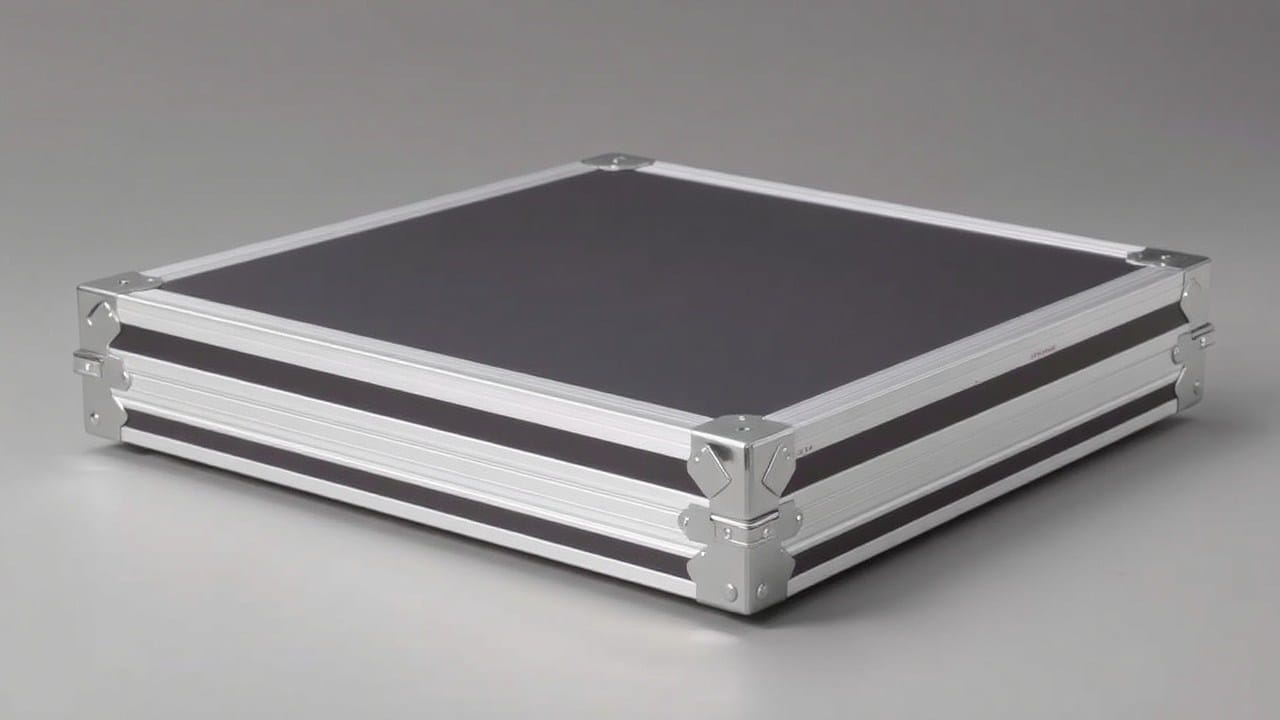
Flat Corners vs. Ball Corners
When choosing the right corners for your flight road case, consider the benefits of both flat corners and ball corners. Flat corners provide a flush, streamlined look, which can be ideal for cases where space is a concern. They allow the edges of the case to align smoothly with other surfaces, making them ideal for applications where the case needs to fit snugly. However, for maximum protection against bumps and impacts, ball corners are designed to absorb and distribute force more effectively. Ball corners are designed with a rounded shape that deflects impact away from the vulnerable edges of the case, ultimately helping the case and its contents inside last longer. The best choice depends on the specific requirements of your equipment and the environment in which the case will be used.
Single Angle vs. Double Angle Corners
The decision between single angle and double angle corners also plays a crucial role in the durability of your road case. Single angle corners provide a basic level of edge protection, suitable for lighter duty applications where the risk of significant impact is minimal. Double angle corners, on the other hand, offer enhanced reinforcement due to their additional material and design. These are particularly useful for cases containing heavier equipment or those frequently subjected to rough handling during transport. By providing extra support where the extrusions meet, double angle corners significantly increase the case’s ability to withstand stress and maintain its structural integrity over time. The right choice hinges on assessing the level of protection needed for your specific gear and tour schedule.
Material Considerations for Corners
The material of your flight case hardware, including the corners, is a critical factor in its overall durability and longevity. At Kingway Metal, we offer a variety of materials and hardware solutions to meet diverse needs. Steel corners, often zinc plated, provide excellent strength and are corrosion resistant, particularly important in humid climates. For enhanced corrosion protection, stainless steel (304, 316L/V4A) with a black E-coating surface is available, offering superior resistance to rust and wear. Carbon steel is another option, balancing cost and durability. The material you choose should align with the expected environmental conditions and the level of protection required to secure your road case and protect your gear. Remember, the right material ensures your equipment remains safe and protected in transit and storage, with corners absorbing and distributing impact evenly.
Hardware Components for Road Cases
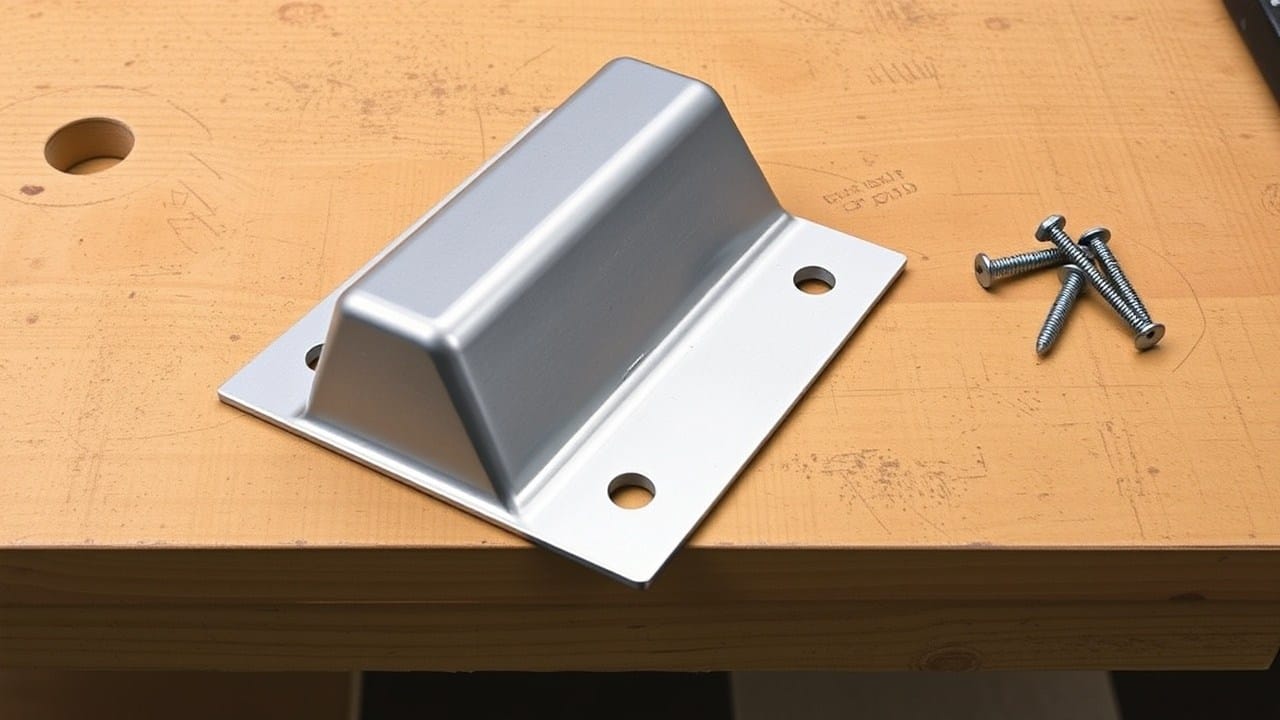
Essential Hardware for Flight Cases
When constructing a flight case, several key hardware components are essential for ensuring the road case is durable and provides adequate protection.
Beyond the corners, consider heavy-duty handles for ease of transport, reliable latches to securely close the lid, and sturdy hinges that will last through countless openings and closings. Depending on the size and weight dimensions of your equipment, you might also need wheels or casters with a good tread, especially for touring. The selection of the right road case hardware ensures that your flight case can withstand the rigors of transport and storage, keeping the contents inside safe from bumps and damage. At Kingway Metal, we offer a variety of materials and sizes to meet your custom requirements, making us the one-stop shop for all your flight case hardware needs.
Understanding Rivets and Hinges
Rivets and hinges are fundamental components in the construction of any durable flight case. Rivets are used to securely mount hardware such as corners, handles, and latches to the wood or aluminum panels of the case. Proper installation of rivets ensures a strong and long-lasting bond, preventing hardware from detaching even under heavy use. Hinges, on the other hand, are crucial for the smooth and reliable operation of the lid. Choosing the right type of hinge—whether it’s a piano hinge for maximum support or smaller individual hinges for lighter applications—is essential. The quality of both rivets and hinges directly impacts the overall durability and longevity of the flight case, particularly at critical impact points. Selecting high-quality rivets and hinges is crucial to protect your gear.
The Role of Lid Stays and Braces
Lid stays and braces play a vital role in the functionality and safety of a flight case. Lid stays are designed to hold the lid open at a specific angle, preventing it from falling back and potentially causing damage or injury. Braces, such as zinc plated L braces, provide additional support to the corners and edges of the road case, reinforcing vulnerable areas and enhancing overall structural integrity.
These components are particularly important for larger flight cases or those containing heavier equipment. By incorporating lid stays and braces into your design, you ensure that your flight case is not only durable but also user-friendly and safe. These are vital parts of the road case, especially in touring, where there are many bumps and you need to reliably protect your gear.
Fixing and Maintaining Road Case Corners
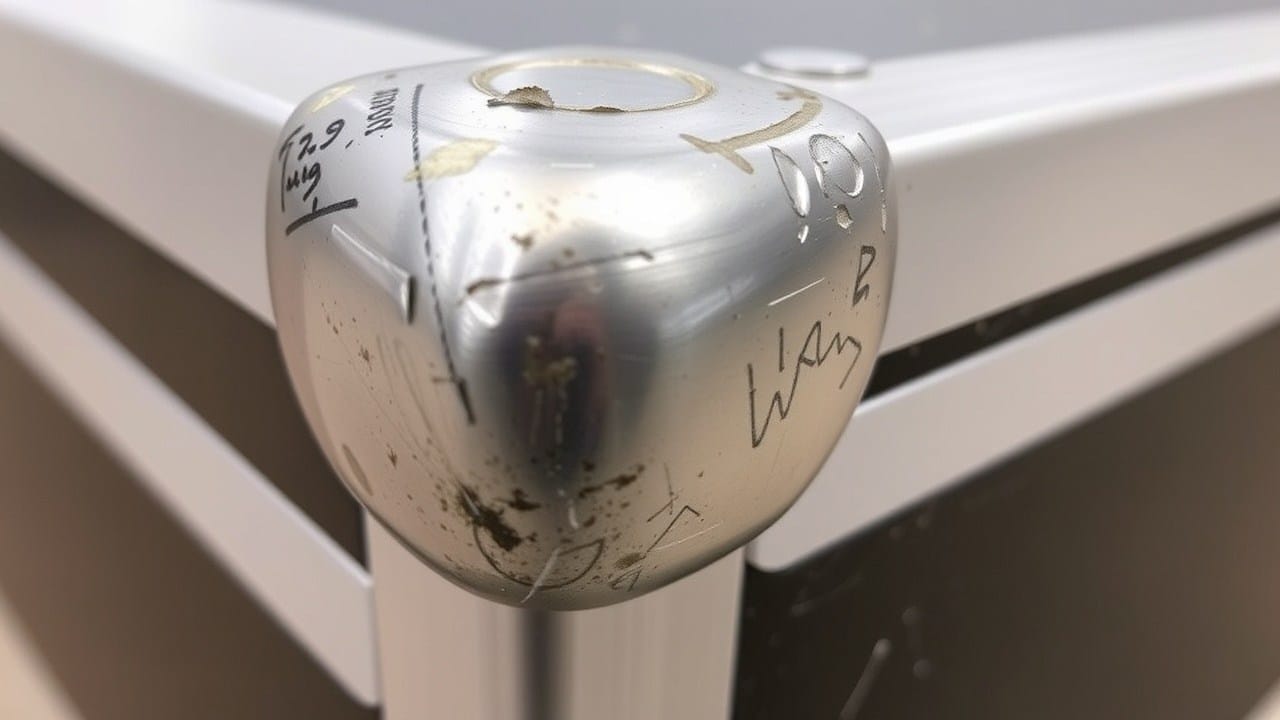
How to Fix Corners on Road Cases
Over time, even the most durable flight road case can experience wear and tear, leading to damaged or loose corners. Fortunately, fixing these corners is often a straightforward process that involves a few key steps:
- Assess the extent of the damage to determine whether repairs or replacement of hardware solutions are necessary. If the corner is simply loose, you may only need to tighten the rivets or screws that secure it to the road case panel.
- If the corner is cracked or broken, it will need to be replaced. Use a rivet tool or screwdriver to remove the old corner. Then, align the new corner with the existing holes and secure it in place with new rivets or screws.
Ensure a flush fitting for optimal protection. Proper installation is key to maintaining the integrity of your flight case.
Maintaining Corners for Longevity
To maximize the longevity of your flight case corners, regular maintenance is essential. Periodically inspect the corners for any signs of issues. Some key maintenance steps include polishing the surface and inspecting the hardware solutions regularly.
- Tightening any loose fasteners and replacing any damaged corners promptly.
- Applying a protective coating to help prevent rust and corrosion, especially in humid environments.
When transporting your flight case, avoid dragging it across rough surfaces, as this can damage the corners and edges. Consider using corner protectors or edge guards for added protection. By taking these simple steps, you can significantly extend the lifespan of your road case corners and ensure that your equipment remains secure and well-protected during every tour.
Choosing the Right Caster and Edge Protection
Selecting the right casters and edge protection is also vital for maintaining your flight road case. Heavy-duty casters make transport easier, especially for heavier loads, and help prevent damage to the bottom edges and corners of the case. Ensure the casters have a sufficient load capacity for your equipment. Edge protection, such as angle extrusions or rubber bumpers, can absorb impact and prevent damage to the case edges. When choosing edge protection, consider the material, thickness, and method of attachment. A combination of robust corners, reliable casters, and effective edge protection will ensure that your flight case can withstand the rigors of touring and transport, keeping your gear safe and sound for years to come. Selecting casters with a good diameter and tread also helps with ease of transport, especially over uneven surfaces.
Conclusion
Final Thoughts on Corners for Flight Road Cases
In summary, the corners of a flight road case are crucial components for protecting your valuable equipment. Choosing the right type of corner—whether it’s a ball corner, flat corner, single angle, or double angle—depends on your specific needs and the level of protection required. Material considerations, such as steel or aluminum, also play a significant role in the overall durability and longevity of the case. Regular maintenance and prompt repairs are essential for maximizing the lifespan of your corners and ensuring that your equipment remains safe and secure during transport and storage. At Kingway Metal, we offer a wide variety of high-quality corners and other flight road case hardware to meet your custom requirements.
Future Trends in Road Case Design
The road case industry is continuously evolving, with ongoing innovations in corner design and materials. Future trends may include the increased use of lightweight, high-strength composites, as well as the integration of smart technology for enhanced protection and monitoring. For example, corners equipped with sensors could detect impacts and alert users to potential damage. Additionally, advancements in manufacturing techniques may lead to more customizable and adaptable corner designs, allowing for tailored protection based on specific equipment needs. Keep an eye on these trends to ensure that your flight cases are equipped with the latest and most effective protective hardware. The future of road case design is sure to include improved ways to secure our gear.
Further Resources for Road Case Hardware
For more information on flight road case hardware and corner selection, Kingway Metal offers a comprehensive range of resources. Visit our website to explore our product catalog, read informative articles, and watch helpful videos. Our knowledgeable team is also available to answer your questions and provide expert advice on choosing the right hardware for your specific application. Whether you’re a professional musician, a touring technician, or a DIY enthusiast, we’re here to help you find the perfect solutions for protecting your valuable equipment. Trust Kingway Metal for all your flight case hardware needs.
Frequently Asked Questions: Flight Case Corners & Hardware
Expert answers to common questions about selecting, counting, and installing corners for custom road cases, brought to you by Kingway Metal.
