
When it comes to protecting your valuable equipment during transport, especially for air travel or rugged road conditions, a reliable flight case is indispensable. At Kingway Metal, we understand the importance of durability and heavy-duty construction, including the use of steel ball corners, in ensuring your equipment arrives safely. One critical, but often overlooked, aspect of flight case design is the appropriate number and placement of flight case feet. This article delves into the factors that determine the ideal number of flight case feet, particularly for large flight cases, and how they contribute to overall case stability and longevity. From aluminium flight case options to plastic flight cases, understanding these elements is key to making informed decisions about your case hardware.
Understanding Flight Case Feet

What is a Flight Case Feet?
Flight case feet are essential components attached to the bottom of a flight case. Their main purpose involves:
- Providing stability and protection during transport and storage.
- Elevating the case to prevent direct contact with the ground, which reduces the risk of damage to both the case and its contents.
Often made from materials like durable plastic or robust metal, flight case feet are designed to withstand the rigors of handling, whether it’s during air transport or overland transit, making them essential for ATA flight compliance. The design of the flight case feet, including recessed options, also allows cases to stack securely, optimizing storage space. At Kingway Metal, our flight case hardware options include a variety of feet designed for heavy-duty use, ensuring your high-value equipment remains safe in any environment, contributing to the overall stackable and rugged nature of your protective solutions.
Types of Flight Case Feet: Aluminium vs. Plastic
When selecting flight case feet, the choice between aluminium and plastic depends largely on the intended use and desired durability. Consider the following key differences between the two:
- Aluminium flight case feet offer superior strength and resistance to wear, making them ideal for heavy-duty applications, especially when combined with steel ball corners. Heavy-duty casters and oversized cases that frequently undergo rough handling benefit from easier stacking and enhanced mobility.
- Plastic flight case feet, on the other hand, are lighter and more cost-effective, suitable for lighter loads and less demanding transport conditions.
Both types contribute to the stability and stackable design of flight cases, facilitating easier stacking during transport. At Kingway Metal, we provide a range of both aluminium and plastic options, ensuring you can choose the right flight case feet to meet the specific demands of your case size and high-value equipment. Furthermore, the materials used in our case hardware are selected for their ability to withstand the stresses of air travel and other forms of transit.
Importance of Heavy-Duty Construction
Heavy-duty construction is paramount when it comes to flight cases, especially for large flight cases that are expected to endure frequent handling and transport. A robust build ensures that the case can withstand impacts, vibrations, and other stresses encountered during transit. This includes not only the outer shell, often made of plywood reinforced with aluminium edging, but also the quality of the case hardware, such as latches, locks, hinges, and, importantly, the feet. Heavy-duty flight case feet provide a stable base, preventing the case from tipping or sliding, and protecting the contents from damage. Kingway Metal emphasizes heavy-duty construction in all our flight case components, offering reliable protection for your valuable equipment. We understand that the durability of a flight case is crucial, particularly for air travel and other demanding environments, which is why our products are designed to meet the highest standards of quality and performance.
Choosing the Right Flight Case Feet
Factors to Consider for Case Size
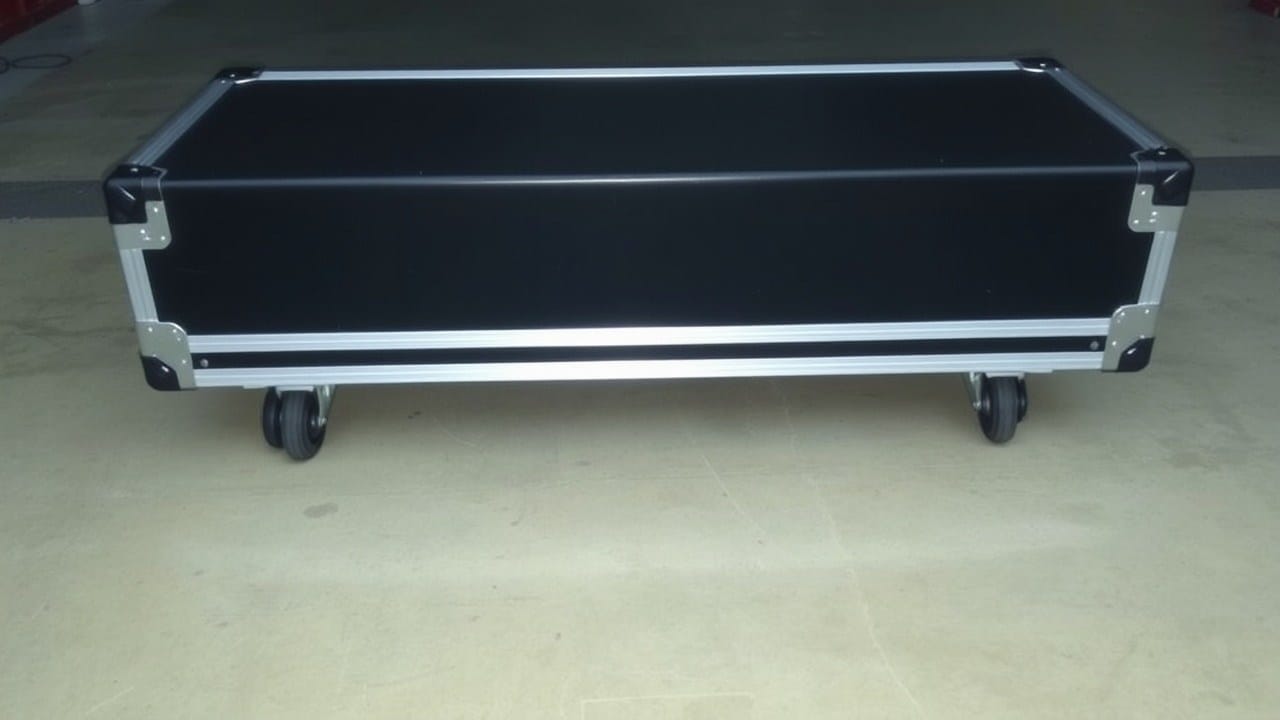
When selecting flight case feet, the case size is a critical factor. Large flight cases are often used to transport bulky and heavy high-value equipment, requiring more robust support than small flight cases. The dimensions and weight of the equipment dictate the necessary number and placement of feet to ensure stability and prevent tipping during transport, especially when using steel ball corners. A larger case size may also benefit from additional feet positioned strategically to distribute the load evenly. The type of high-density foam insert used inside also influences the overall weight and balance, further affecting the choice of flight case feet, particularly when using recessed designs. At Kingway Metal, we can help you choose the right configuration of case hardware based on your specific case size and its intended contents, ensuring optimal durability and protection for your valuable equipment. Furthermore, the method of transport, whether it involves rugged terrain or smooth surfaces, should be considered when making this decision, as it directly impacts the demands placed on the feet.
Types of Flight Case Feet: Swivel vs. Fixed Castors
The choice between swivel and fixed castors depends on the intended use and maneuverability requirements of the flight case. Swivel castors offer greater flexibility, allowing the flight case to be easily moved in any direction, which is particularly useful in tight spaces or crowded environments. However, they may be less stable on uneven terrain. Fixed castors, on the other hand, provide enhanced stability and are better suited for straight-line movement over longer distances. For large flight cases, combining both types of castors can offer a balance of maneuverability and stability. Kingway Metal offers large castors that are swivel and non-braked (80mm) and also large castors that are swivel and braked (80mm), providing versatile options for different transport needs. Incorporating castor wheels into your flight case design can greatly enhance its portability, making it easier to handle and transport your valuable equipment.
Specifications for Heavy-Duty Use
For heavy-duty flight cases intended for rigorous air transport or frequent transit over challenging terrain, specific heavy-duty specifications, such as spring-loaded latches, are essential. The flight case’s feet must be constructed from robust materials such as high-grade steel or reinforced plastic to withstand significant weight and impact. The size and design of the feet should also be optimized for stability, often incorporating a wider base or non-slip surface to prevent sliding. Additionally, the method of attachment is crucial; heavy-duty feet should be securely fastened to the case using robust hardware, such as bolts or rivets. Kingway Metal emphasizes these specifications in our flight case hardware, ensuring that our feet meet the demands of heavy-duty use. This includes selecting materials that can withstand extreme temperatures, vibrations, and other stresses encountered during air travel, ensuring compliance with airline standards. Our commitment to heavy-duty construction ensures the durability and longevity of your flight case, protecting your high-value equipment under any conditions, including airline travel.
Flight Case Feet Suppliers and Manufacturers
Top Suppliers for Aluminium Flight Cases
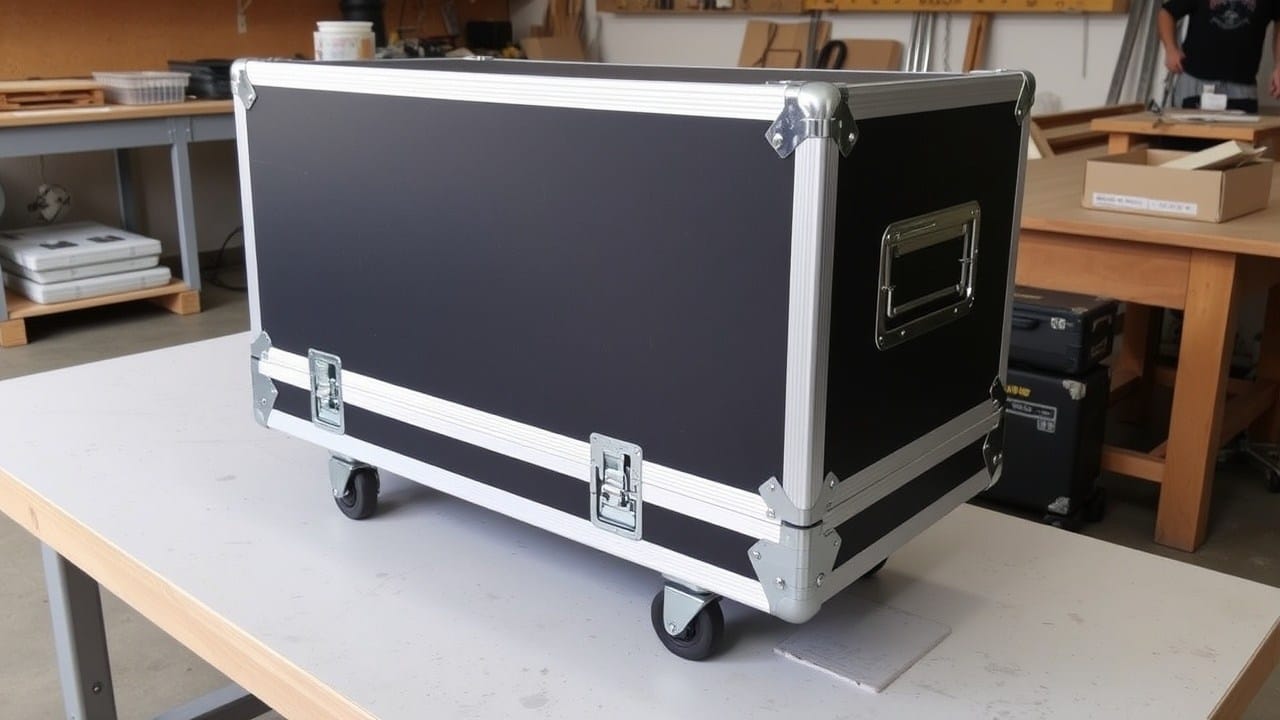
When sourcing flight case hardware, particularly for aluminium flight cases, it’s essential to identify top-tier suppliers who understand the nuances of heavy-duty applications. These suppliers should offer a range of high-quality components designed to withstand the rigors of air transport and frequent handling. Look for suppliers that provide not only standard sizes but also customization options to meet specific case size requirements. A reputable supplier will prioritize durability, using robust materials and construction techniques, such as steel ball corners, to ensure the longevity of their flight case feet. Furthermore, they should have a proven track record of delivering reliable products that meet industry specifications, providing assurance that your high-value equipment is well-protected during transit. Kingway Metal is your leading one-stop case hardware manufacturer.
What to Look for in a Flight Case Feet Supplier
Selecting the right flight case feet supplier is crucial for ensuring the durability and reliability of your protective cases. Kingway Metal is a manufacturer specializing in stamping and assembling, with a strong focus on industrial case hardware and flight case hardware. A good supplier should offer one-stop solutions for all case hardware needs, provides a wide range of standardized options and emphasizes customization. Certification such as ISO 9001:2015, as held by BSI, indicates a commitment to quality.
Kingway Metal supplies flight case hardware to premium plastic flight cases manufacturers in America and Europe, offering hardware made of carbon steel. Zinc plating is essential for corrosion resistance, especially in humid climates. Consider suppliers that understand the importance of case size specifications and offer a variety of materials, including aluminium flight case feet. The ability to provide heavy-duty solutions tailored to your specific needs is paramount, ensuring your flight case can withstand the demands of air transport and rugged handling.
ATA Specifications for Air Travel
When it comes to air travel, adhering to ATA (Air Transport Association) specifications is crucial for ensuring the safety and integrity of your high-value equipment. Flight cases are built to these ATA flight standards. These specifications outline the requirements for case design, materials, and construction to withstand the stresses of air transport. For flight case feet, this means ensuring they are made from durable materials that can withstand impact, vibration, and extreme temperatures. Additionally, the feet must be securely attached to the case to prevent detachment during handling. Cases offer reliable solutions that meet the stringent requirements of air transport. It is imperative to ensure that flight cases comply with ATA specifications, which are the highest standards for ensuring the safety of your equipment during air travel, preventing damage and delays, especially when using recessed butterfly latches. Complying with these ATA specifications for air transport ensures peace of mind, knowing that your belongings are protected to the highest standards, including the use of heavy-duty casters.
Foam and Protection in Flight Case Feet
Choosing the Right Foam Inserts
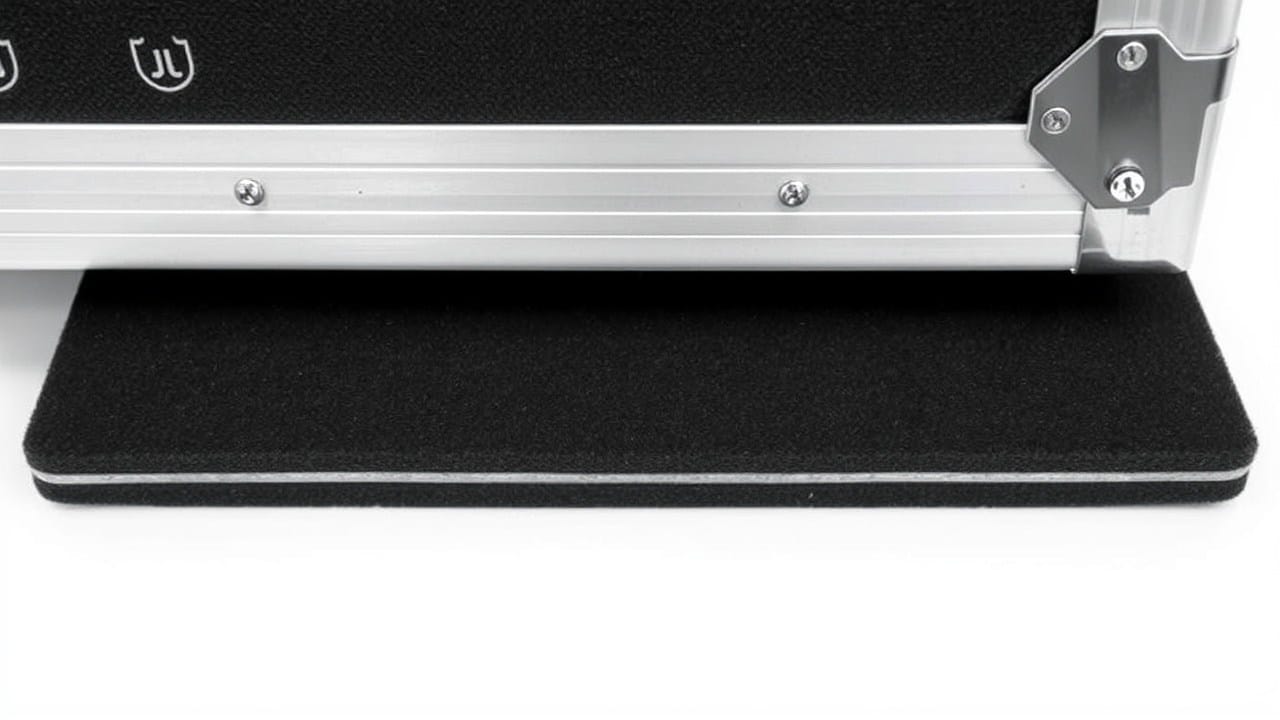
Selecting the appropriate high-density foam inserts is crucial for safeguarding high-value equipment within a flight case. The foam padding should be dense enough to absorb shocks and vibrations during transport, particularly during air travel or on rugged terrain. Different densities of foam are available to accommodate varying weights and fragility levels. For delicate items, consider using a combination of soft foam layers for cushioning and firmer foam for structural support, ensuring compliance with ATA flight standards. Ensure the foam fits snugly within the case size to prevent movement during transit. Remember, the quality and fit of the foam inserts significantly impact the overall protection of your equipment inside the flight case, particularly when utilizing recessed butterfly latches. You must choose the right inserts.
Benefits of Using Foam in Transit
Incorporating foam into flight cases offers numerous benefits, particularly during rigorous transit. Cases offer unparalleled protection. Foam inserts provide multiple advantages, including enhanced protection for equipment secured with spring-loaded latches.
- Superior shock absorption, minimizing the risk of damage to high-value equipment from impacts and vibrations.
- A snug, secure fit, preventing items from shifting during transport, and it can be tailored to fit any case size.
Foam also acts as an insulator, protecting sensitive equipment from extreme temperatures. For delicate electronic equipment, anti-static foam can prevent electrostatic discharge. The durability of the foam ensures long-lasting protection, even with frequent use. Using foam padding in flight cases is a practical and effective way to safeguard your valuables during air travel or any form of transit.
Custom Foam Solutions for Hard Cases
For specific protection needs, custom foam solutions for hard cases provide the ultimate safeguard for high-value equipment. These custom inserts are tailored to the exact dimensions of your equipment and the internal case size of your flight case, ensuring a snug and secure fit. Custom foam can be designed with compartments and cutouts to accommodate various components, preventing movement and minimizing the risk of damage. High-density foam options are available for heavy-duty applications, offering enhanced shock absorption and improved protection during airline transport. The flight case’s foam insert is an essential element. By opting for custom foam solutions, you can ensure that your equipment is fully protected during air travel and other forms of transit. The option to tailor the case hardware and foam to individual needs ensures optimal protection.
Frequently Asked Questions: Flight Case Feet & Glides
Below are expert answers to common questions about selecting and installing rubber feet and glides for custom road cases, featuring insights from Kingway Metal.
