
Selecting the appropriate wheels for your flight case is It is paramount to ensure ease of transport, durability, and the protection of your valuable equipment when selecting castor wheels for your flight case.. This guide provides everything you need to know to choose the best casters and wheels for your specific needs. Whether you’re dealing with heavy cases or navigating challenging terrains, understanding the different types of castor wheels and their respective benefits will help you make an informed decision. At Kingway Metal, we understand the importance of reliable flight case hardware, which is why we offer a comprehensive range of options to suit every application.
Understanding Flight Case Wheels
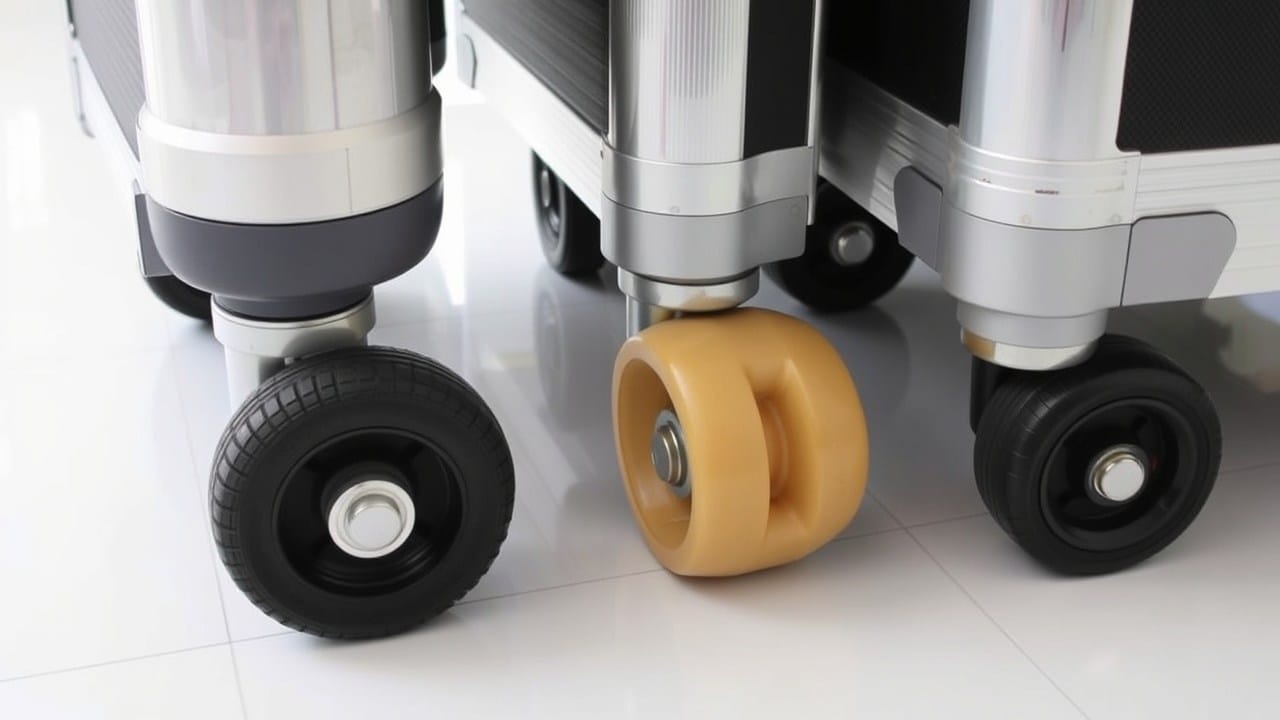
Understanding the nuances of flight case wheels is Understanding the case weight is crucial for ensuring the longevity and functionality of your road case.. The right flight case wheels not only facilitate easy transportation but also protect your equipment from damage during transit. With so many options available, it’s important to understand the different types of casters, materials, and weight capacities to make the best choice for your specific requirements. Factors such as the type of surface you’ll be rolling the flight case on, the weight of the contents, and the frequency of use all play a significant role in determining the ideal wheel.
What is a Flight Case Wheel?
A flight case wheel, often referred to as a caster or castor, is a rotating device attached to the bottom of a flight case to facilitate movement. These wheels are essential for transporting heavy or bulky equipment with ease. Flight case wheels come in various designs, including swivel casters, which allow for multidirectional movement, and fixed casters, which provide straight line stability. The materials used in flight case wheels, such as polyurethane wheels, greatly influence their durability and load capacity. Choosing the right flight case wheels is crucial for ensuring smooth and efficient transport of your valuable equipment, especially in demanding environments.
Importance of Choosing the Right Flight Case Wheels
The importance of choosing the right flight case castors cannot be overstated. Selecting the correct wheels directly impacts the ease of transporting your equipment and the safety of both the contents and the user. Incorrect wheels can lead to difficulties in maneuvering, increased physical strain, and potential damage to your valuable gear. By considering factors such as weight capacities, swivel capabilities, and brake options, you can ensure that your flight case is equipped for the demands of frequent travel and heavy loads. Investing in high-quality flight case casters is a worthwhile investment that will pay off in the long run with increased efficiency and reduced risk of damage.
Common Uses for Flight Case Wheels
Flight case wheels are Essential for a wide range of applications, including the selection of castors for your flight case., particularly in industries that require the frequent transportation of delicate or heavy equipment. These applications include learning how to choose the right castor for your specific needs.
- Musicians moving their instruments and amplifiers safely.
- The entertainment industry transporting lighting rigs, sound systems, and stage equipment.
In the medical field, flight cases equipped with braked castors carry sensitive diagnostic tools and equipment. Even in industries like manufacturing and logistics, ATA flight cases benefit from robust caster wheels that withstand heavy loads and rough handling. Regardless of the specific use case, the right choice of flight case wheels will enhance portability and protect valuable items.
Types of Wheels for Flight Cases
Fixed Casters vs. Swivel Casters
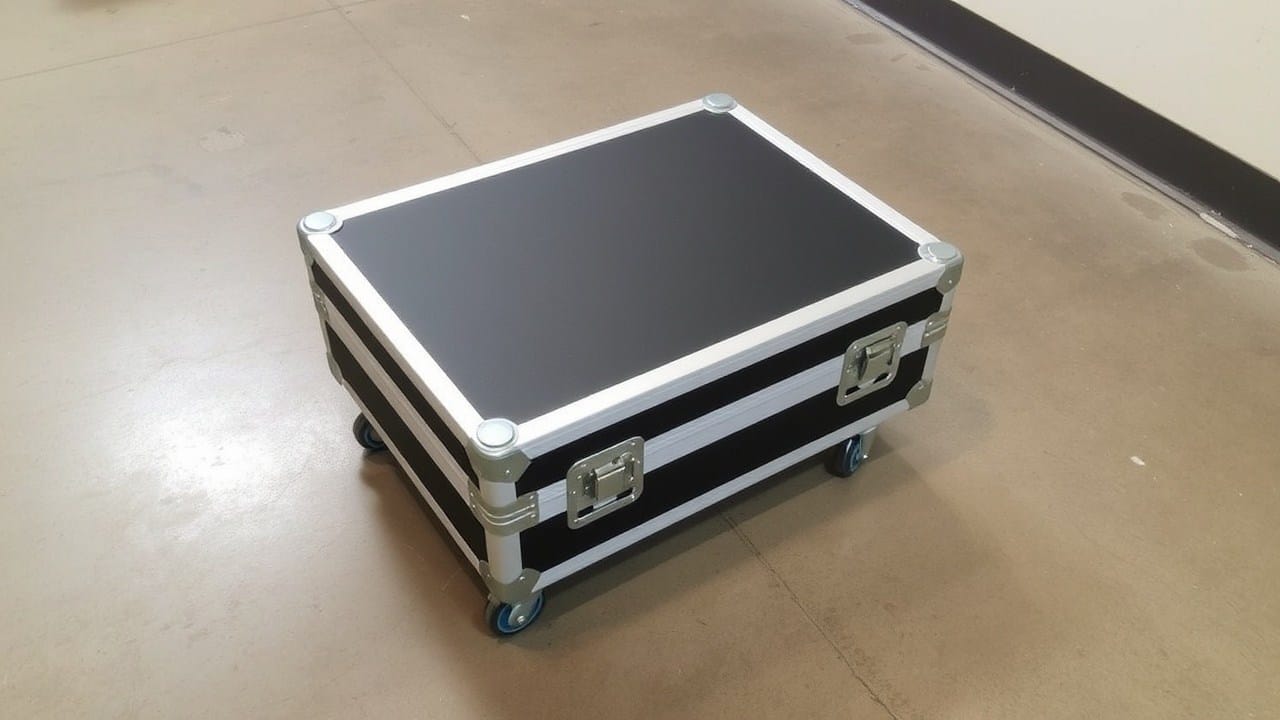
When you choose flight case wheels, one of the primary decisions involves selecting between fixed casters and swivel casters. Fixed casters are designed for straight-line movement, offering stability and control, particularly when dealing with heavy loads. These castors are ideal for situations where the flight case needs to move in a consistent direction, especially when handling heavy cases. Swivel casters, on the other hand, provide greater maneuverability, allowing the flight case to turn and navigate tight spaces easily. Many users opt for a combination of fixed and swivel castors—typically with fixed casters at the rear and swivel casters at the front—to achieve a balance of stability and maneuverability. The choice depends largely on the typical environment in which the flight case will be used and the level of control required for the castor wheels.
Benefits of Using Flight Case Wheels
The benefits of using the right flight case wheels are numerous. In particular, the correct wheels can provide several advantages:
- Significantly reduce the physical strain associated with transporting heavy equipment, especially with high-quality options like polyurethane wheels.
- Protect your valuable equipment from damage during transit.
The right flight case hardware makes it easier to navigate through airports, warehouses, and venues, saving time and effort when transporting heavy cases. Braked castors offer an added layer of safety, preventing the flight case from rolling unintentionally on slopes or uneven surfaces. Investing in durable case casters ensures the longevity of both the flight case and its contents, making it a worthwhile investment for any professional who frequently transports equipment.
Different Types of Castors
There are various types of castors available, each designed to meet specific needs and applications. Beyond fixed casters and swivel casters, you can find options with varying characteristics. These variations include aspects like:
- Wheel materials, such as polyurethane, rubber, and nylon, each offering different levels of durability and load capacity.
- Different brake mechanisms, such as side-lock brakes or total-lock brakes, which secure both the wheel and the swivel.
Polyurethane wheels are known for their excellent durability and resistance to wear, making them suitable for heavy loads and demanding environments, especially in flight case design. Rubber wheels provide a quieter ride and are ideal for sensitive surfaces, making them a great choice for your flight case’s design. When you choose the best castors and wheels, consider the specific requirements of your flight case and the conditions in which it will be used to ensure optimal performance and longevity. At Kingway Metal, we can help you find the right casters for your road case and offer everything you need to know to make the right decision.
Choosing the Right Casters for Your Flight Case
Factors to Consider When Choosing Casters
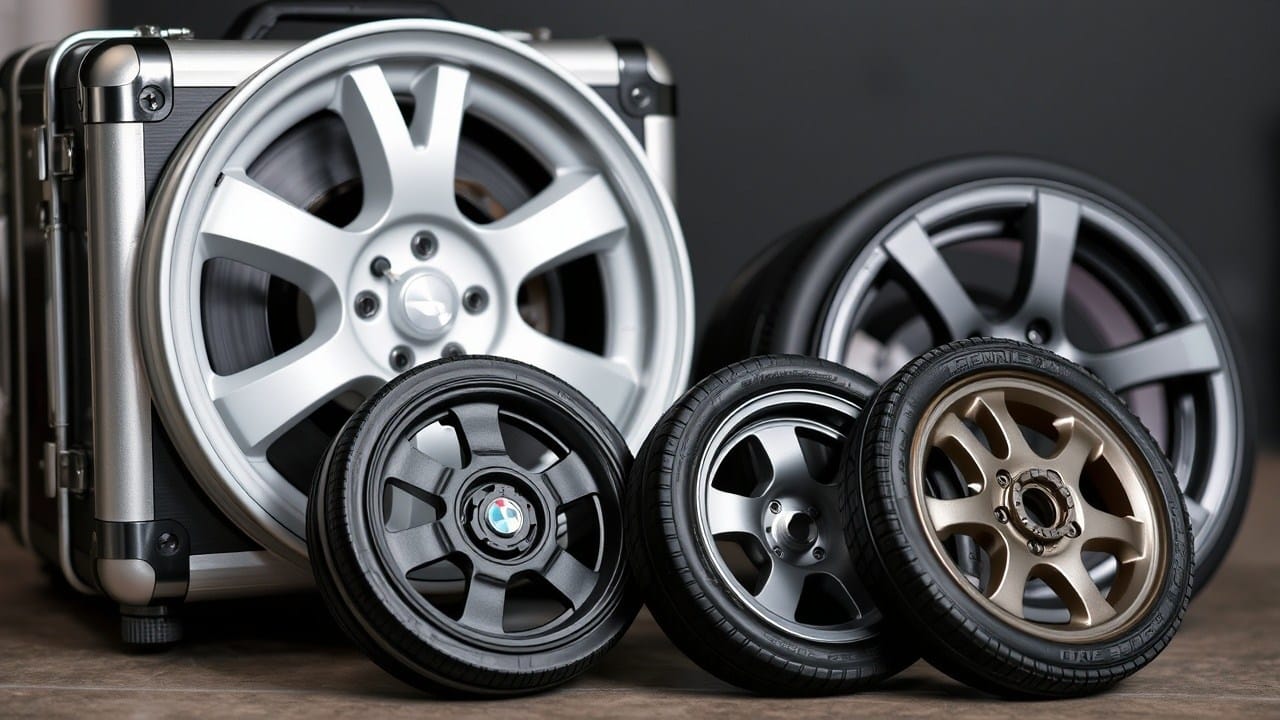
When you choose flight case castors, several factors must be considered to ensure optimal performance and longevity. The first thing to know is the weight of your equipment, as this will dictate the necessary load capacity of the case casters. Consider the type of surfaces on which the flight case will be used; rough or uneven terrain may require larger diameter wheels or those made from durable materials like polyurethane. The frequency of use is also crucial; for frequent transport, invest in larger casters with robust bearings to support the case weight. Maneuverability is another key factor. Swivel casters offer greater flexibility in tight spaces, while fixed castors provide straight line stability. Finally, assess whether you need features such as brakes to secure the flight case in place. These considerations will guide you in choosing the right castors for your flight case.
Choosing Flight Case Castors with Brakes
The option to choose flight case castors with brakes adds a significant layer of safety and convenience, particularly when dealing with heavy loads or uneven surfaces. Braked castors prevent the flight case from rolling unintentionally, which is crucial in environments where stability is paramount. There are several types of brake mechanisms available, including side-lock brakes that stop the wheel from rotating and total-lock brakes that secure both the wheel and the swivel. For instance,
are ideal for situations requiring frequent stops and starts. When you choose the best castors and wheels for your road case, consider the specific demands of your application to ensure that the castor wheel brake mechanism meets your needs. At Kingway Metal, our flight case hardware are designed with safety and functionality in mind, providing reliable braking solutions for any road case.
Weight Capacity Considerations
Understanding the case weight capacities of different flight case wheels is crucial for your selection. essential to ensure the safety and longevity of your equipment. Overloading larger casters can lead to premature wear and failure, which can result in damage to your valuable items. When you choose flight case wheels, always verify that the wheels are rated to handle the total weight of the flight case and its contents. Polyurethane wheels are known for their high load capacity and durability, making them an excellent choice for heavy loads. Be sure to distribute the weight evenly within the flight case to prevent undue stress on individual castors. Selecting the right wheels with adequate weight capacities is a critical step in ensuring the reliable transport of your equipment. At Kingway Metal, we offer a range of flight case castors designed to meet diverse weight requirements, providing everything you need to learn how to choose the right decision.
Installation and Maintenance of Flight Case Wheels

How to Install Casters on Your Flight Case
Installing flight case wheels is a straightforward process that can significantly enhance the functionality of your road case. To begin, ensure you have the necessary tools, including a drill, screws, and possibly a screwdriver or wrench, depending on the type of case casters you are installing. Position the flight case upside down to easily access the mounting points. Align the casters for your road case in the desired locations, ensuring they are evenly spaced for balanced weight distribution. Mark the screw holes with a pencil and pre-drill pilot holes to prevent the wood or material from splitting during the case design. Secure the flight case wheels with appropriate screws, tightening them firmly but not over tightening. Test the mobility and stability of the flight case before loading it with equipment. When you choose flight case hardware, consider options with pre-drilled mounting plates for easier installation.
Maintaining Your Flight Case Wheels
Proper maintenance is crucial for ensuring the longevity and optimal performance of your flight case wheels. Regularly inspect your case casters for signs of wear, such as cracks, looseness, or damage to the wheel surface. Clean the flight case wheels periodically to remove dirt, debris, and grime that can accumulate and impede their movement. Lubricate the swivel mechanism with a silicone-based lubricant to ensure smooth rotation, especially for swivel casters. Tighten any loose screws or bolts to prevent wobbling or detachment. If you notice any significant damage, replace the flight case wheels promptly to avoid compromising the stability and safety of your flight case. Choose the right flight case hardware with durable materials and robust construction for reduced maintenance requirements. Remember, consistent maintenance will help keep your flight case wheels rolling smoothly for years to come.
Common Issues and Solutions
Several common issues can arise with flight case wheels, but most are easily addressed with the right knowledge and tools. One frequent problem is wheel binding, often caused by accumulated dirt or debris. Cleaning the wheel and lubricating the swivel castor can resolve this issue. Another issue is loose or wobbly castor wheels, which usually indicates loose screws or bolts; tightening these fasteners can restore stability. If a wheel is cracked or damaged, replacement is necessary to prevent further issues. In cases of uneven wear, rotating the flight case wheels can distribute the wear more evenly. Also, ensure that you are not exceeding the recommended weight capacities of the case casters to prevent premature failure. When you choose flight case castors, consider models with replaceable wheels for easy maintenance. Regularly addressing these common issues will extend the life of your flight case wheels.
Conclusion
Recap of Key Points
In summary, learning how to choose the right castor can greatly enhance your flight case’s usability. choosing the right flight case wheels is essential for ensuring the safe and efficient transport of your valuable equipment. Consider factors such as load capacity, wheel material, caster type (fixed casters vs. swivel casters), and the presence of brake mechanisms when making your selection. Opt for durable materials like polyurethane wheels for heavy loads and demanding environments. Regular maintenance, including cleaning and lubrication, will extend the lifespan of your flight case wheels. Selecting braked castors adds an extra layer of safety, especially on uneven surfaces. Whether you need road case caster or flight case hardware, understanding these key considerations will guide you in making the best choice for your specific needs. At Kingway Metal, we can help you find the right casters for your road case and offer everything you need to know to make the right decision.
Final Tips for Choosing Flight Case Wheels
To conclude, here are a few final tips to help you learn how to choose flight case wheels effectively. Always assess the typical environment in which the flight case will be used; rough terrain requires more robust wheels. Prioritize quality over cost to ensure long-term reliability and durability. Consider the ease of installation and maintenance when selecting case casters. If you frequently transport heavy loads, invest in heavy-duty casters for your road case with high weight capacities. Ensure that the mounting hardware is compatible with your flight case to prevent installation issues when you choose the right castor. Regularly inspect and maintain your flight case’s caster wheels to identify and address any problems promptly. By keeping these tips in mind, you can choose flight case wheels that provide optimal performance, protection, and longevity for your valuable equipment. When you choose flight case castors, also consider options with replaceable wheels for easy maintenance.
