
How to Cut a Hole for a Flight Case Dish – Powerful 9-Step Professional Guide.
Learn How to Cut a Hole for a Flight Case Dish (Step-by-Step Guide) with expert tips, tools, safety advice, and common mistakes to avoid.
Cutting a clean, accurate opening for a recessed dish is one of the most important steps in building or modifying a flight case. If done poorly, the case can look unprofessional, weaken structurally, or fail during transport. This How to Cut a Hole for a Flight Case Dish (Step-by-Step Guide) walks you through the entire process clearly and safely, even if you’re a beginner.
Understanding a Flight Case Dish
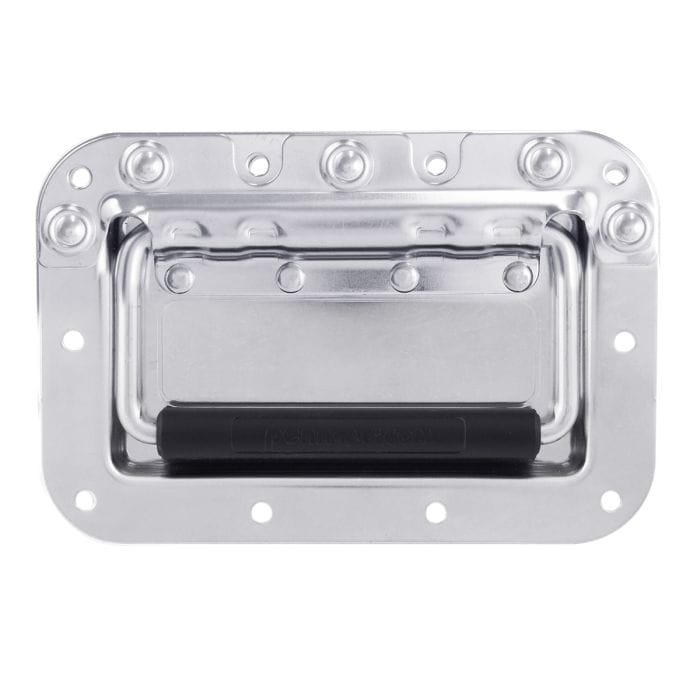
A flight case dish (also called a recessed dish or recessed handle dish) is a metal or plastic insert mounted into the wall of a flight case. It allows handles, connectors, or latches to sit flush with the surface, reducing snagging and damage during transport.
Why precision matters:
- Keeps the case structurally strong
- Ensures a professional appearance
- Prevents rattling or loose fittings
- Improves long-term durability
Cutting the hole accurately is the foundation of a reliable installation.
Tools and Materials You’ll Need
Before starting How to Cut a Hole for a Flight Case Dish (Step-by-Step Guide), gather everything below:
Essential Tools
- Measuring tape or steel ruler
- Pencil or fine-tip marker
- Drill with wood/metal drill bits
- Jigsaw or router with straight-cut bit
- Clamps (optional but recommended)
Materials
- Flight case panel (plywood, laminated board, or composite)
- Flight case dish
- Sandpaper or file
- Edge sealant or wood glue (optional)
Having all tools ready avoids mistakes caused by rushing.
Safety Precautions Before Cutting
Safety always comes first. Cutting panels creates dust, vibration, and sharp edges.
Follow these precautions:
- Wear safety glasses
- Use hearing protection with power tools
- Clamp the panel securely
- Keep hands clear of the blade path
- Work on a stable, flat surface
A calm, controlled setup leads to cleaner cuts.
Measuring and Marking the Cutout
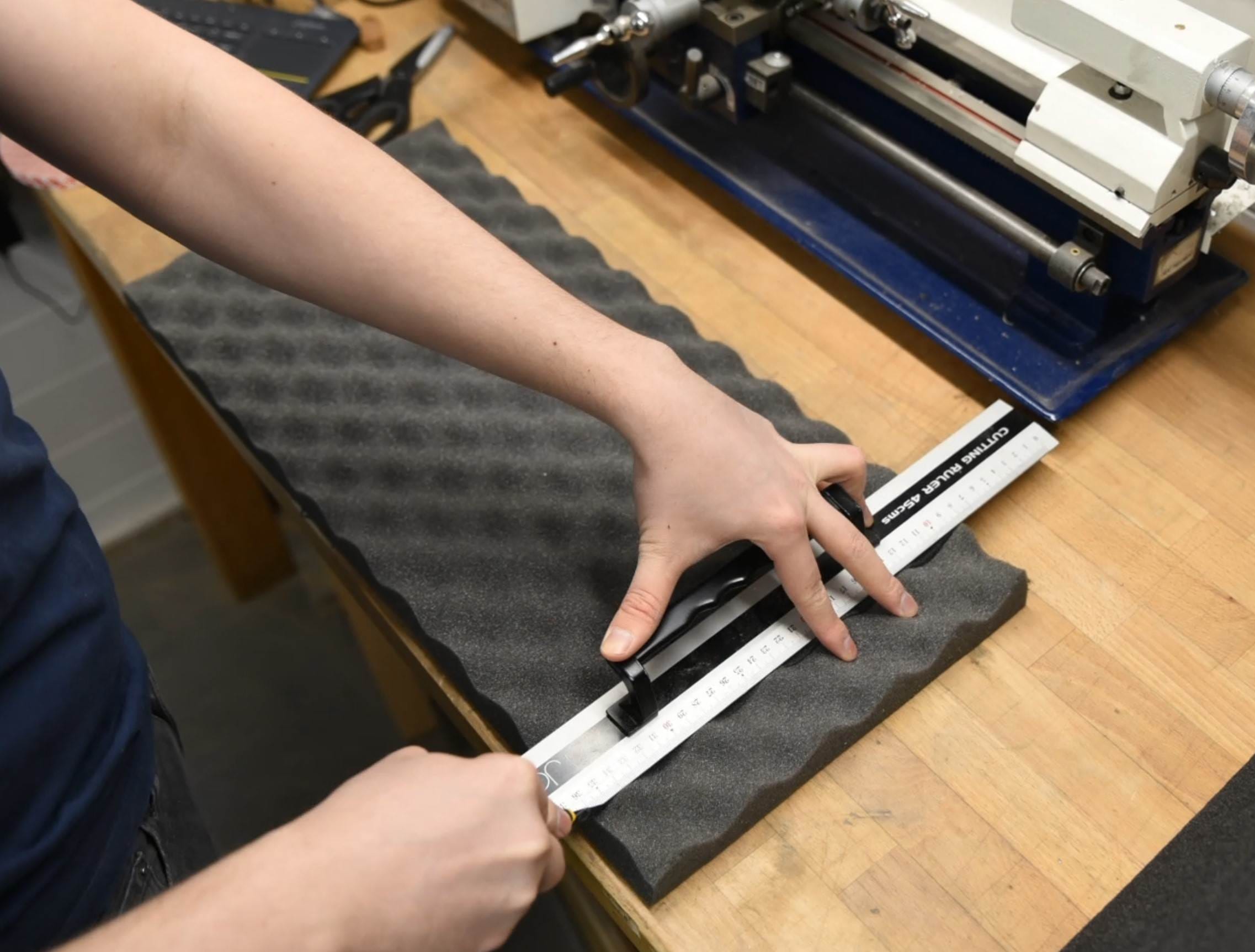
Accurate marking is the most critical step.
Step-by-Step Marking
- Place the dish face-down on the panel
- Center it exactly where you want it mounted
- Trace the inner cutout area, not the outer flange
- Double-check measurements from all sides
💡 Pro Tip: Measure twice, cut once. Even a 2–3 mm error can cause gaps.
Drilling Starter Holes
Starter holes allow your cutting tool to enter the panel smoothly.
How to Do It
- Drill a hole inside each corner of the marked outline
- Use a bit large enough for your jigsaw blade
- Stay fully inside the cut line
For rounded dishes, one or two starter holes may be enough.
Cutting the Hole (Main Step)
This is the core of How to Cut a Hole for a Flight Case Dish (Step-by-Step Guide).
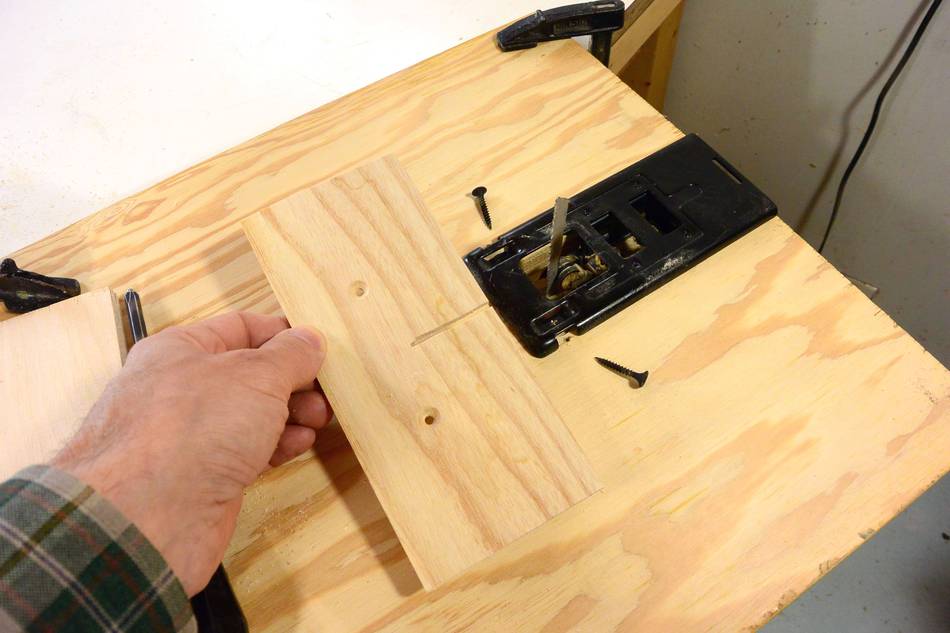
Using a Jigsaw
- Insert the blade into a starter hole
- Cut slowly along the marked line
- Let the tool do the work—don’t force it
- Keep the base flat against the panel
Best for DIY builders and small workshops.
Using a Router
- Attach a straight-cut bit
- Set cutting depth slightly deeper than panel thickness
- Follow a guide or template for accuracy
Routers produce cleaner edges but require more control.
Test Fitting the Dish
Before final installation:
- Insert the dish into the hole
- Check for tight, flush contact
- Identify tight spots or gaps
- Adjust carefully using sandpaper or a file
A perfect test fit saves time later.
Finishing and Reinforcing the Cut
After fitting:
- Smooth edges with sandpaper
- Seal exposed wood layers with glue or sealant
- Install the dish using rivets or screws
This prevents moisture damage and strengthens the panel.
Common Mistakes to Avoid
Avoid these frequent errors:
- Cutting the outer flange size instead of the inner cutout
- Rushing the cut
- Skipping test fitting
- Not sealing exposed plywood edges
- Using dull blades
Patience equals professional results.
FAQs
1. Can I cut a flight case dish hole without power tools?
Yes, but it’s difficult. Hand tools are slower and less precise.
2. Should the dish fit tightly or loosely?
It should fit snugly but not require force.
3. What thickness panel works best?
Most flight cases use 6–9 mm plywood with laminate.
4. Do I need to reinforce the cutout?
For heavy-duty cases, reinforcement is recommended.
5. Can I practice first?
Absolutely. Practicing on scrap material is highly advised.
Conclusion
Mastering How to Cut a Hole for a Flight Case Dish (Step-by-Step Guide) is about accuracy, patience, and preparation. With the right tools and careful measurements, you can achieve clean, professional results that last through years of transport and use.
Whether you’re building your first case or refining your technique, following these steps ensures durability, safety, and a polished finish.
