
When designing or manufacturing a road case, small hardware components can make a big difference. One of the most overlooked—but critically important—parts is the lid stay. Choosing the right lid stay for a road case directly impacts usability, safety, durability, and perceived product quality.
This guide will walk you through everything you need to know about how to choose lid stays for road case applications, from load ratings and opening angles to materials, mounting styles, and common mistakes to avoid.
What Is a Lid Stay and Why It Matters in a Road Case
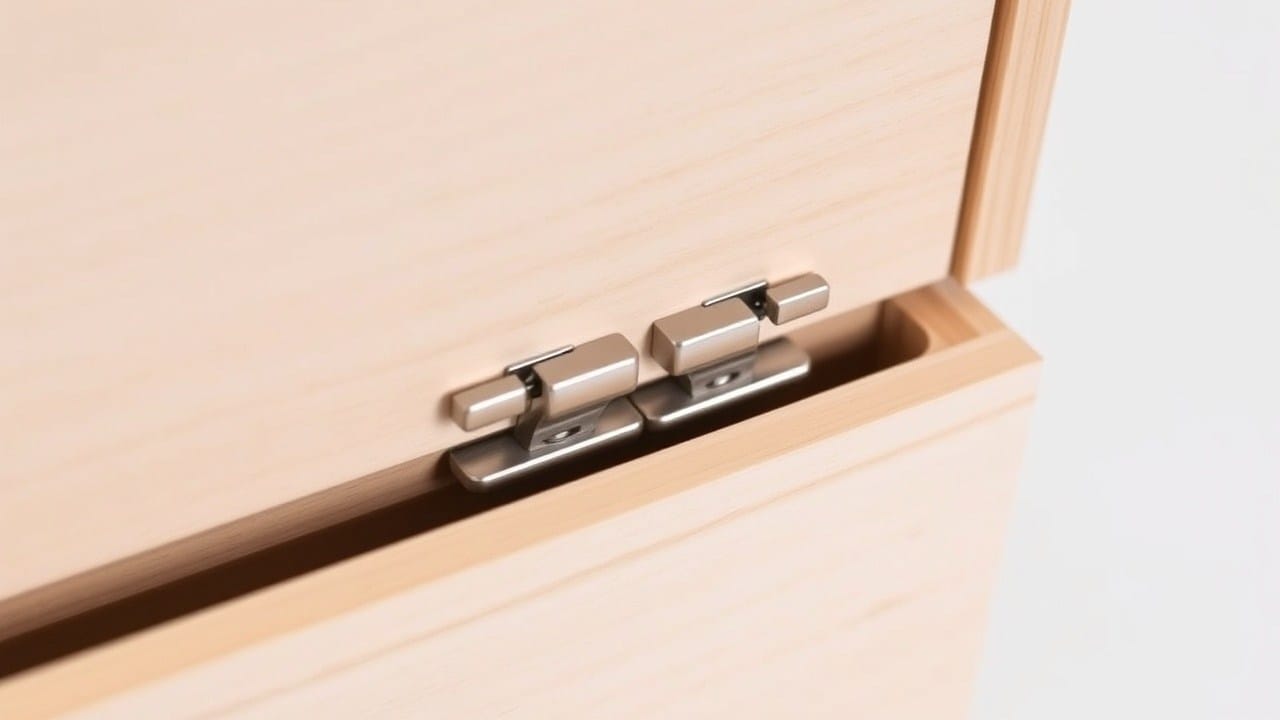
A lid stay is a mechanical support component that holds the lid of a road case open at a controlled angle, preventing it from falling shut unexpectedly. Unlike simple hinges, lid stays provide stability and safety, especially in professional environments such as:
- Touring and live events
- Audio & video production
- Broadcast studios
- Military and industrial transport
- Trade shows and exhibitions
In these environments, road cases are opened and closed frequently, often under time pressure. A poorly chosen lid stay can lead to:
- Damaged equipment
- Injured hands or fingers
- Reduced product lifespan
- Negative customer feedback
Types of Lid Stays for Road Cases
Before selecting a lid stay, it’s essential to understand the main types available and where each one performs best.
1. Fixed Angle Lid Stays
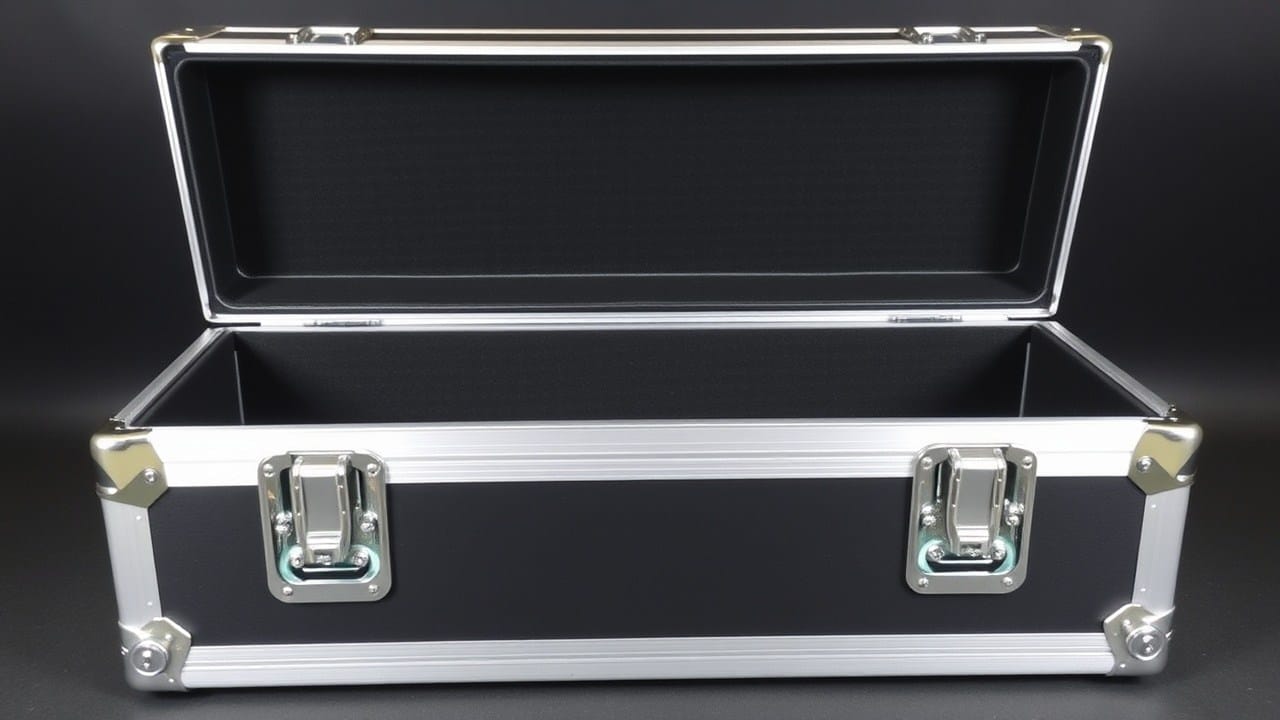
These lid stays hold the lid open at a predefined angle, typically 90°, 100°, or 120°.
Best for:
- Standard rectangular road cases
- Applications where consistent opening angle is required
Pros:
- Simple design
- High reliability
- Cost-effective
Cons:
- No flexibility once installed
2. Adjustable Lid Stays
Adjustable lid stays allow users to change the opening angle by repositioning mounting points.
Best for:
- Custom road cases
- OEMs offering multiple configurations
Pros:
- Greater flexibility
- Suitable for various lid sizes
Cons:
- Slightly higher cost
- More complex installation
3. Folding or Detachable Lid Stays
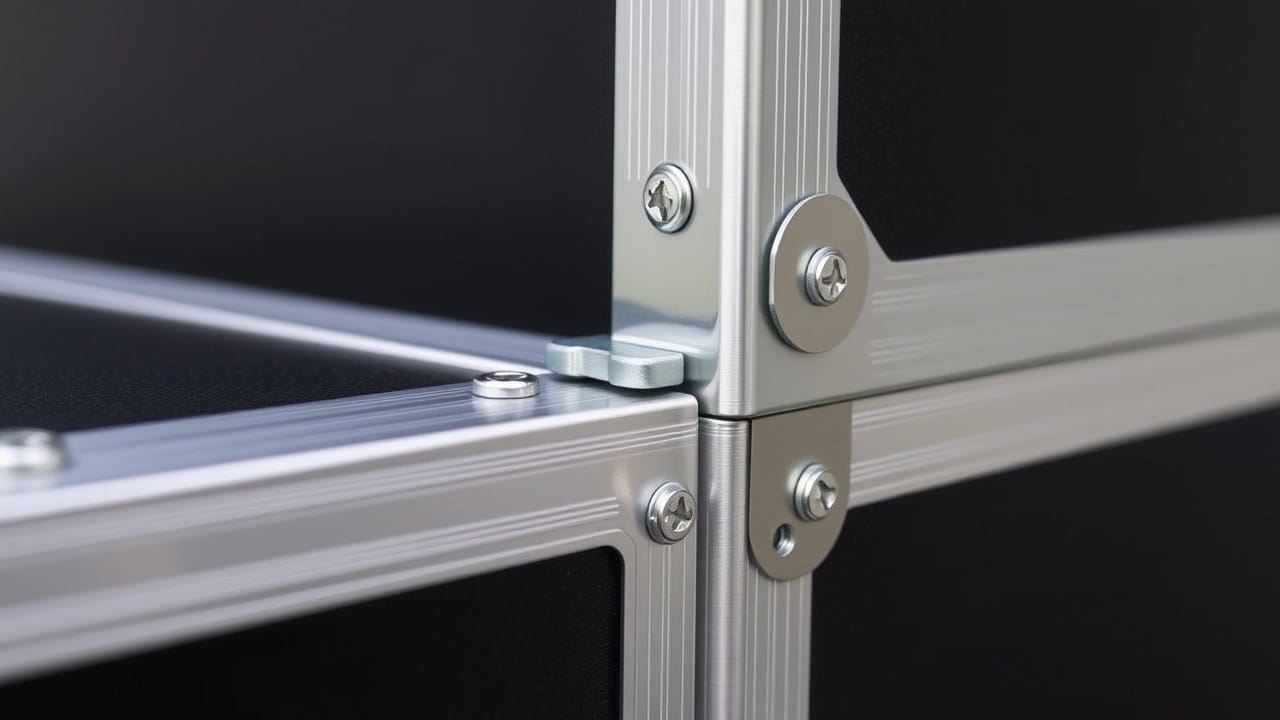
These lid stays can fold flat or be removed, allowing the lid to open fully or be detached.
Best for:
- Cases requiring full access
- Audio mixing or control cases
Pros:
- Maximum accessibility
- Professional appearance
Cons:
- Requires proper user handling
Key Factors to Consider When Choosing Lid Stays for Road Case
1. Lid Weight and Load Capacity
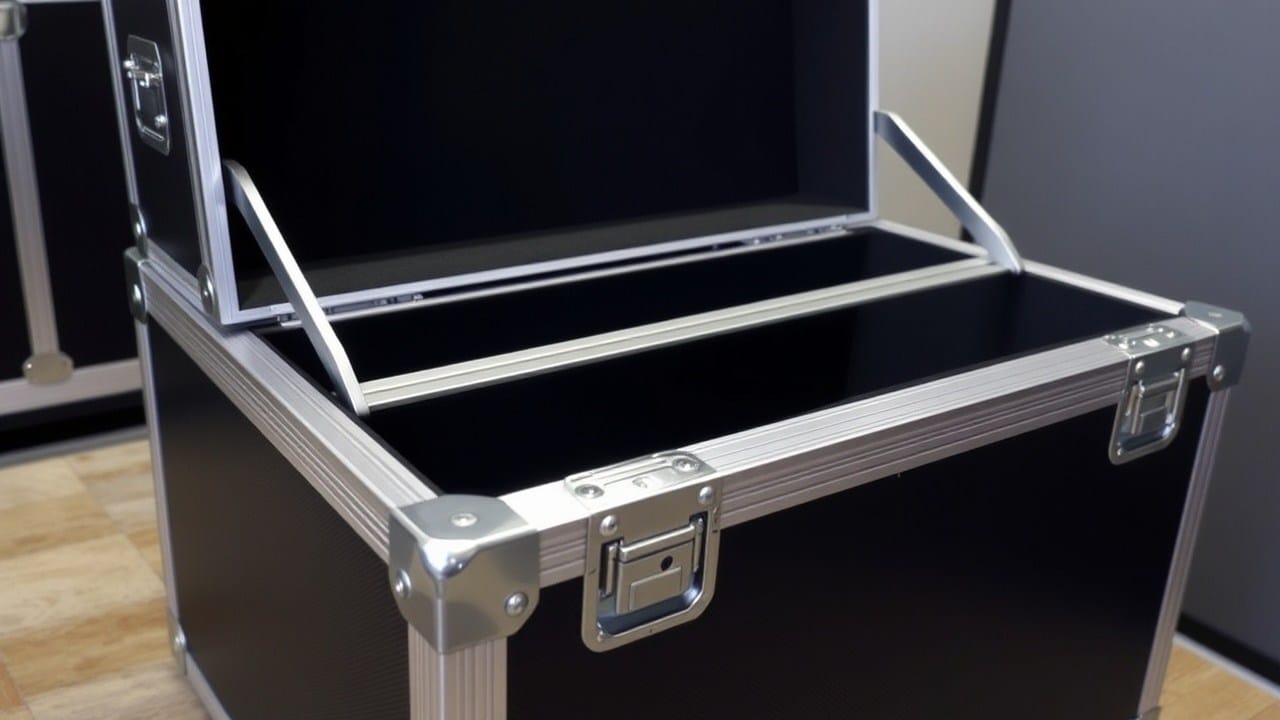
The most critical factor is the weight of the lid.
To choose the correct lid stay:
- Measure the lid weight (including plywood, aluminum edging, foam, and hardware)
- Divide the weight by the number of lid stays used
- Add a safety margin of 30–50%
Example:
If a lid weighs 10 kg and you use two lid stays, each stay should be rated for at least 7–8 kg.
Under-rated lid stays are the #1 cause of early failure.
2. Opening Angle Requirements
Common opening angles include:
- 90° – standard access
- 100–120° – improved visibility and ergonomics
- 180° – lid lies flat or detaches
Ask yourself:
- Will users work directly from the open case?
- Does the lid interfere with cables or controls?
- Is wall or rack clearance an issue?
Choosing the wrong angle can make even a high-end road case feel awkward to use.
3. Material and Finish
Road cases are often exposed to rough handling, moisture, and temperature changes, making material choice essential.
Common materials:
- Steel (zinc-plated) – strong, economical, widely used
- Stainless steel – corrosion-resistant, ideal for outdoor or marine use
- Aluminum alloy – lightweight, premium feel
Finish options:
- Zinc plating
- Black powder coating
- Polished or brushed stainless steel
For touring and rental cases, corrosion resistance is usually worth the extra cost.
4. Mounting Style and Installation
Lid stays must match your case construction method.
Consider:
- Riveted vs screwed installation
- Wood thickness (commonly 9–12 mm plywood)
- Clearance between lid and body
- Internal foam or equipment layout
Incorrect mounting geometry can:
- Limit opening angle
- Cause uneven load distribution
- Lead to premature hardware fatigue
Tip: Always test-fit lid stays on a prototype before mass production.
Single Lid Stay vs Dual Lid Stays
Should you use one or two lid stays?
Use One Lid Stay When:
- Lid is small and lightweight
- Space is limited
- Cost optimization is critical
Use Two Lid Stays When:
- Lid is wide or heavy
- Professional-grade durability is required
- Even load distribution is important
Most commercial road cases use two lid stays for safety and symmetry.
Common Mistakes When Choosing Lid Stays for Road Case
Avoid these costly errors:
❌ Choosing based on price only
❌ Ignoring lid weight calculations
❌ Mixing lid stays with incompatible hinges
❌ Using indoor-grade hardware for touring cases
❌ Not accounting for repeated open/close cycles
A lid stay that fails during a live event can damage both equipment and your brand reputation.
How Lid Stays Affect User Experience and Perceived Quality
End users may not consciously notice lid stays—but they feel the difference.
High-quality lid stays:
- Open smoothly
- Hold firmly without wobble
- Close quietly and safely
- Convey professionalism
In contrast, poor lid stays make even an expensive case feel cheap.
For B2B buyers, this directly influences repeat orders and long-term partnerships.
OEM and Bulk Purchasing Considerations
If you are a manufacturer or distributor, consider:
- Consistency across product lines
- Availability of replacement parts
- Supplier quality control
- Compliance with international standards
Reliable lid stay suppliers should provide:
- Load ratings
- Material specifications
- Cycle life testing data
- Customization options (length, finish, branding)
Final Checklist: How to Choose the Right Lid Stay for Road Case
Before finalizing your choice, confirm:
✅ Lid weight and load rating
✅ Required opening angle
✅ Material and corrosion resistance
✅ Mounting compatibility
✅ Single vs dual stay configuration
✅ Expected usage environment
This checklist alone can eliminate 80% of common failures.
Conclusion
Choosing the right lid stays for road case design is not a minor detail—it’s a critical engineering and business decision. The right choice improves safety, enhances user experience, reduces warranty issues, and elevates your brand’s professional image.
By carefully evaluating load capacity, opening angle, material, and installation method, you can ensure your road cases perform reliably in the most demanding environments.
If your business depends on road cases, investing in the right lid stays is investing in long-term quality and customer trust.
