
Welcome to our comprehensive guide on how to install flight case corner braces. Flight cases are essential for protecting valuable equipment during transport, and ensuring their durability relies heavily on the quality and correct installation of their components. Among these components, corner braces play a vital role in reinforcing the case’s structure and safeguarding its contents from damage. This guide will provide you with detailed, step-by-step instructions to properly install corner braces, enhancing the longevity and reliability of your flight cases. Whether you’re a seasoned professional or a DIY enthusiast, this guide will equip you with the knowledge and skills needed to achieve a professional finish.
Understanding Flight Cases and Their Components
What is a Flight Case?
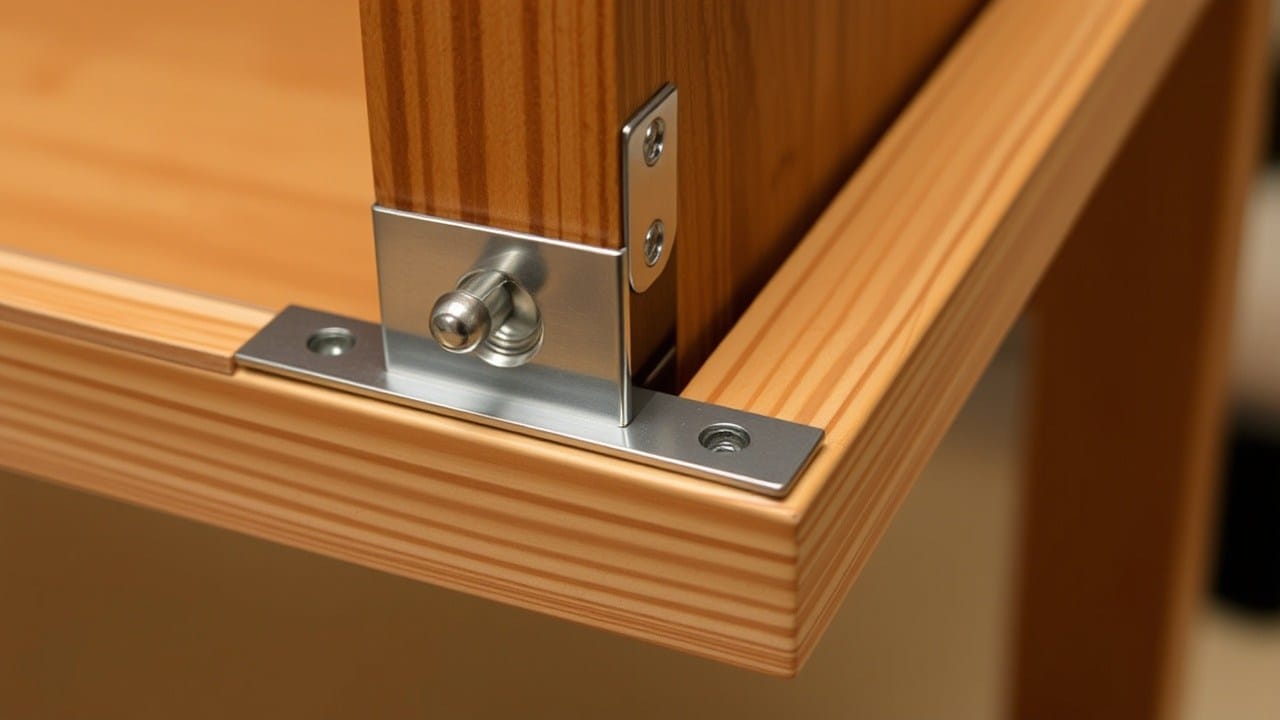
A flight case, also known as a road case, is a specialized type of container designed to protect sensitive equipment during transport. Typically constructed from durable materials like plywood and aluminium extrusions, a flight case is engineered to withstand the rigors of travel, ensuring that items such as musical instruments, electronic devices, and valuable prototypes remain safe and secure. The robust design of the real flight case often includes a protective layer of foam on the interior to cushion the contents, while features like recessed handles, latches, and wheels with casters enhance usability. The purpose of a flight case is to provide a reliable and impact-resistant enclosure that minimizes the risk of damage during shipping, touring or any other situation that requires secure mobility.
Importance of Corner Braces
Corner braces are crucial hardware components that reinforce the corners of a flight case, which are the areas most susceptible to impact and wear. By installing corner braces, you significantly enhance the case’s structural integrity, preventing deformation and damage to the panels and edges. These braces absorb and distribute impact forces, reducing the risk of cracks, dents, and joint separation. The importance of corner braces extends beyond mere protection; they also contribute to the overall longevity and professional appearance of the flight case. For DIYers and professionals alike, investing in high-quality corner braces is a cost-effective way to ensure that your equipment remains safe and secure during transport. Ultimately, the corner braces act as a protective layer that will keep your equipment protected and reinforce the overall integrity of the flight case.
Types of Corner Braces
Several types of corner braces are available to suit different flight case designs and needs. The selection includes various options, such as caster wheels for easier mobility.
- Ball corners, featuring a rounded, spherical design for protection and easier stacking, are ideal for real flight cases.
- Case angles and double angle corner braces, which offer different levels of reinforcement, can be found at flightcase-brico.com.
Some corner braces are designed for specific case materials, such as aluminium or wood, and may require different installation methods. The choice of corner brace also depends on the desired level of protection, the size and weight of the case, and the overall design aesthetic. When selecting corner braces, consider the dimensions of your case, the expected loads, and the environment in which the case will be used to ensure optimal performance and longevity. The different types of corner braces allow for a more personalized flight case.
Preparing for Installation
Gathering Required Hardware and Tools
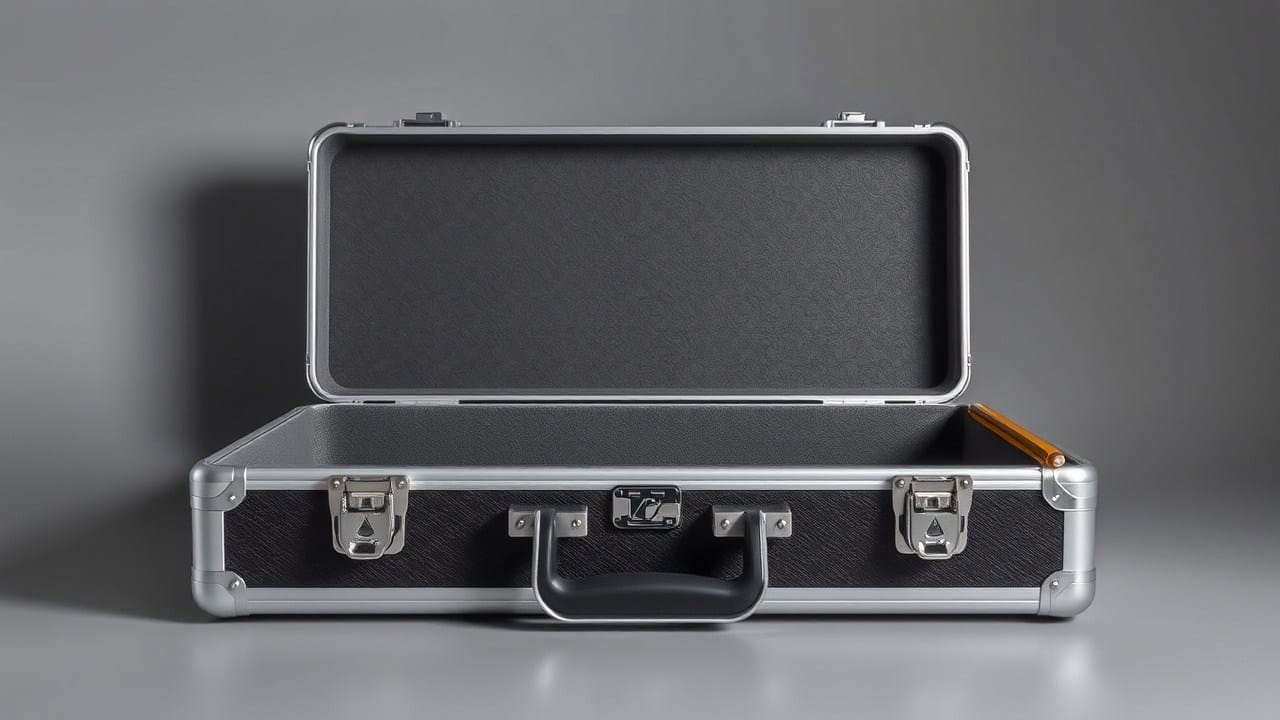
Before beginning the installation of flight case corner braces, it’s essential to gather all the necessary hardware and tools. This will ensure a smooth and efficient process. Key components include:
- The corner braces themselves, ensuring the correct type and quantity, are available at flightcase-brico.com.
- A drill with appropriate drill bits for creating pilot holes.
A rivet gun is necessary to securely fasten the corner braces to the case panels. Additionally, you’ll need a measuring tape, a pencil for marking locations, and safety glasses to protect your eyes. Depending on the case material, you might also need a rubber hammer to gently tap the corner braces into place and avoid damaging the surface. Check the compatibility of the chosen rivets with your case and corner brace material to ensure a reliable and long-lasting assembly. Having all these items at hand will streamline the installation process and ensure a professional finish for your flight case.
Choosing the Right Corner Brace for Your Case
Selecting the appropriate corner brace is critical for ensuring optimal protection and longevity of your flight case. Consider the specific needs of your case; key considerations include:
- Size and weight capacity of the flight case in mm.
- Consider the intended use of the case when selecting materials for the exterior.
Ball corner braces are a popular choice for general use, offering excellent impact resistance and stackability. Case angle corner braces, including double angle options, provide enhanced reinforcement and are suitable for heavier or more vulnerable cases. Evaluate the material of your flight case; aluminium cases might benefit from aluminium corner braces to prevent galvanic corrosion, while wood cases can accommodate steel or aluminium braces. Ensure the corner braces are appropriately sized for the case’s dimensions and panel thickness, as specified on flightcase-brico.com. Also, think about the aesthetic appeal; different corner brace styles can complement the overall design of your flight case. Carefully consider these factors to choose corner braces that provide the best balance of protection, durability, and appearance for your specific application.
Measuring Case Angles and Dimensions
Accurate measurement of the case angles and dimensions is a crucial step before installing flight case corner braces. This ensures a precise fit and optimal protection for your flight case. Use a measuring tape to determine the exact dimensions of each corner of your case in mm. Pay close attention to the angles where the extrusions meet, as these are critical points for brace placement. Note the thickness of the case panels to select the appropriate length of rivets or screws. For cases with mitre joints, ensure that the corner brace aligns perfectly with the angled cuts to provide maximum support. If the case has a recessed lid, measure the distance from the edge to the lid location to avoid any interference during installation and ensure a perfect fit for the strap. Accurate measurements will help prevent gaps, misalignments, and other issues that can compromise the structural integrity of your flight case. This careful attention to detail will ensure a professional and durable installation of your corner braces, enhancing the overall reliability of your transport case.
Step-by-Step Instructions for Assembly
Preparing the Flight Case Panels
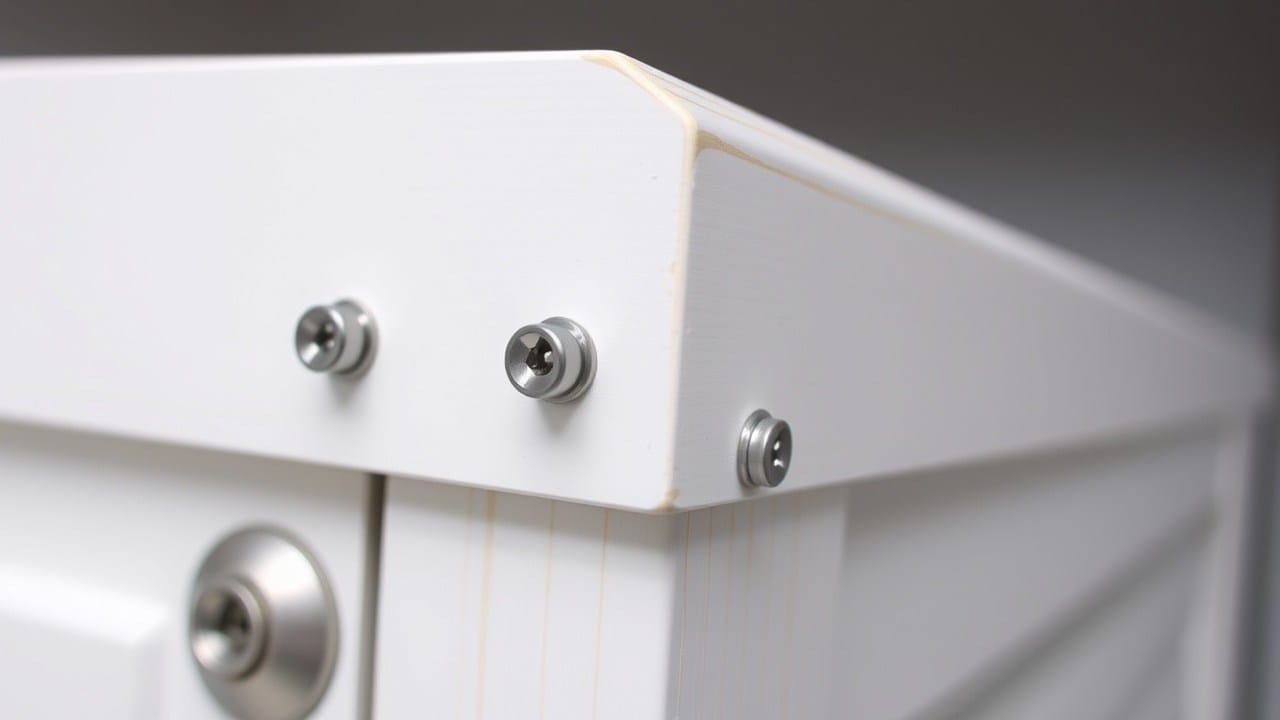
Before you begin the assembly process, preparing the drill the holes for the corner braces is crucial. flight case panels is crucial for a professional finish. Start by ensuring that all the panels are cut to the correct dimensions, consulting your plans for accuracy. Smooth down all edges to avoid splinters and ensure a flush fitting. Next, determine the exact locations where the corner braceStraps will be necessary to keep the contents in place during transport. installed, taking into account the extrusion profiles and any pre-existing grooves. Use a measuring tape and pencil to mark these locations clearly, ensuring they are evenly spaced and aligned. For wooden cases, consider pre-drilling pilot holes to prevent the wood from splitting when you mount the corner braces. This preparation will guarantee a seamless and robust assembly of your flight case. Consider using a rubber hammer to gently tap protective foam onto the interior panels for added security.
Mounting the Corner Braces
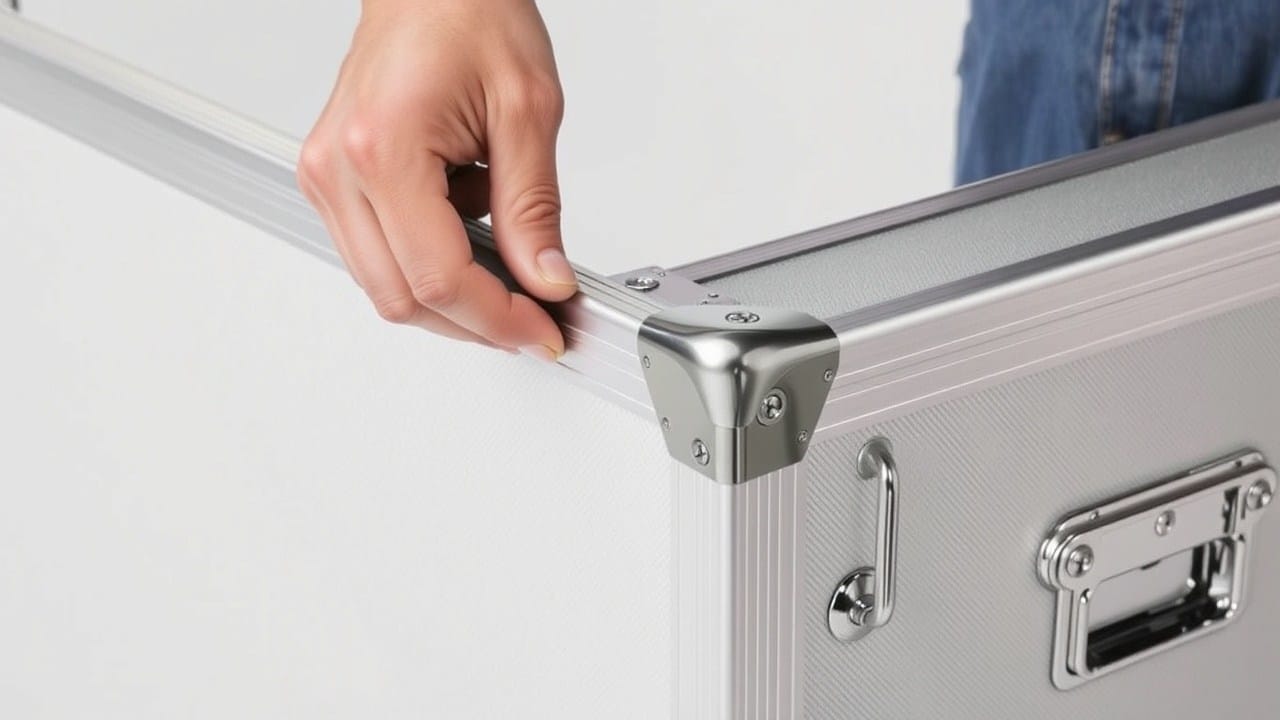
Now that your flight case panels are prepared, it’s time to mount the corner braces. Position the corner braces onto the marked locations, ensuring they align perfectly with the edges of the case. For wooden cases, use a drill to create pilot holes if you haven’t already done so, using the correct sized drill bit for your short rivets. Then, insert the rivets through the corner brace and drilled holes, using a rivet gun to securely fasten them. For aluminium cases, ensure that the rivets are compatible with aluminium to prevent corrosion. If you’re using screws instead of rivets, make sure they are the appropriate length and that you do not overtighten them, which could strip the wood or damage the aluminium. Check the fitting of each corner brace to ensure it is flush with the exterior of the case. panel and providing maximum support. This process is important to drill the holes correctly for assembly. assemble a reliable flight case that will withstand transport stress.
Reinforcing the Structure with Hardware
To further reinforce the structure of your flight case, consider adding additional hardware such as case angles and double angle corner braces, especially if it’s a wooden box. Ensure the extrusions meet snugly at each corner and are securely fastened to the panels using long rivets or screws. Pay special attention to areas around hinges, latches, and handles, as these are points of high stress. Adding protective foam or protective layers to the interior can further safeguard the contents during transport. If you notice any gaps or weak joints, use adhesive or small nails to bond them together securely. For DIYers looking for a more reliable solution, metal connectors can be used to join the panels at the corners. Clamp the corners to Hold the case securely with a strap. securely and evenly, giving time for the adhesive to dry. By meticulously reinforcing the structure with appropriate hardware, you can ensure that your flight case is protective, durable, and capable of withstanding the rigors of frequent travel in a real flight case. transport.
Finishing Touches
Attaching Handles and Latches
Attaching handles and latches is a vital step in completing your real flight case. flight case assembly, ensuring ease of transport and secure closure. First, determine the optimal locations for your handles on the panels, considering the weight distribution and balance of the case when lifted. Mark these locations precisely. For latches, align them carefully on the lid and the main body of the case to ensure a snug and reliable closure. Using a drill, create pilot holes for the screws or rivetStraps that will secure the contents of the case are essential, especially when using a real flight case. handles and latches to the plywood. Ensure that the hardware used is compatible with the panel material, whether it’s wood or aluminium, to prevent corrosion or weakening of the joint. Kingway Metal provides custom small zinc plated case handles, custom medium black exterior for a sleek look. case handles and custom small black stainless steel case handles. A properly installed handle and latch will significantly enhance the functionality and reliability of your flight case, making it protective and easy to use.
Integrating Foam for Protection
Integrating protective foam into your flight case is essential for safeguarding sensitive equipment during transport. Begin by measuring the interior dimensions of the case to determine the necessary size and width of the foam. Cut the foam to fit snugly inside the case, ensuring complete coverage of all interior surfaces, especially around the edges and corners. Consider using different densities of foam to provide varying levels of cushioning; denser foam can be used for high-impact areas, while softer foam can cradle delicate items. Secure the foam to the panels using adhesive suitable for foam and the case material, ensuring a strong and lasting bond. For added convenience, you can create custom foam inserts with slot for securing the strap in place during transport.s or cutouts to perfectly accommodate your equipment, preventing movement and minimizing the risk of damage. With careful installation of foam, your flight case will offer unparalleled protective capabilities, ensuring the safety of your valuable items.
Inspecting the Assembly for Stability
Once the flight case assembly is complete, a thorough inspection for stability is crucial to ensure its reliability and protective capabilities. Examine all corner braces, latches, and handles to confirm they are securely mounted and properly aligned. Check each joint and edge to ensure there are no gaps or weak points that could compromise the structural integrity of the case. Test the hinges and latches by opening and closing the exterior. lid several times, verifying smooth operation and a secure closure. Apply pressure to different areas of the panels to assess their resistance to bending or flexing, particularly around the corners. If any issues are detected, such as loose hardware or misaligned components, make the necessary adjustments and reinforce the affected areas with additional hardware or adhesive. Ensure all rivets and screws are tightened appropriately. By meticulously inspecting the assembly, you can guarantee that your flight case is robust, stable, and capable of providing long-lasting protection for your valuable equipment during transport.
