
This guide offers comprehensive tips on selecting and fitting rubber feet to your flight case and securing it with a nut and a hammer. Whether you are upgrading existing hardware or building a new case, understanding the nuances of different rubber feet types, materials, and mounting techniques will ensure your flight case is both durable and stable. Learn how to enhance the longevity and functionality of your flight case with the right rubber feet application.
Choosing the Right Rubber Feet for Your Flight Case
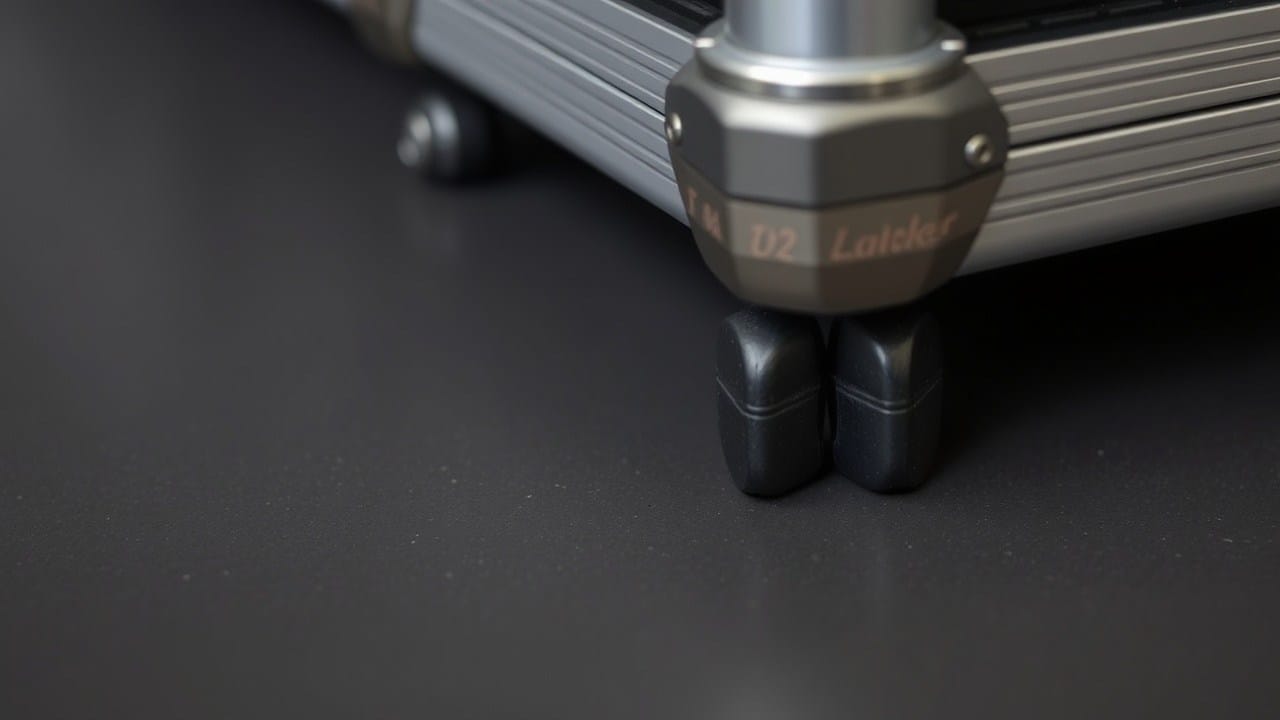
Understanding Different Types of Rubber Feet
When selecting rubber feet for your flight case, it’s essential to understand the variety of types available. The features of some common types are described in the table below. The material composition also varies, from natural rubber to synthetic compounds, each offering different levels of grip, flexibility, and resistance to environmental factors. Understanding these differences is the first step in choosing the right rubber feet for your specific flight case needs.
| Type | Key Feature |
|---|---|
| Hard Rubber Feet | Maximum durability and impact resistance of the hammer. |
| Rubber Feet with Metal Inserts | Added strength |
Factors to Consider When Selecting Rubber Feet
Several factors must be considered to make the best choice. Think about the intended use of the flight case and the environments to which it will be exposed. Consider the mounting options; some rubber feet are designed for screw-on mounting, while others use bolts or adhesives. Other key considerations are:
| Factor | Description |
|---|---|
| Load Capacity | Ensure the rubber feet can support the total weight of your flight case and its contents, especially when using a hammer for adjustments. |
| Material | If the flight case will be used outdoors or in harsh conditions, opt for rubber feet made from weather-resistant materials. |
| Size and Shape | The size and shape of the rubber foot should match the dimensions and design of your flight case; consider the diameter and base size for optimal stability. |
Penn Elcom Rubber Feet Options
Penn Elcom offers a range of rubber feet designed to meet diverse flight case requirements. Key features of their rubber feet are summarized below:
| Feature | Description |
|---|---|
| Material | High-quality materials, ensuring durability and reliability. |
| Metal Washer Insert | Enhances the foot’s strength and prevents pull-through, useful for heavy flight cases. |
Penn Elcom rubber feet come in various sizes, shapes, and mounting styles, providing options for different flight case designs and applications. Penn Elcom also offers rubber feet with anti-vibration properties, reducing noise and protecting sensitive equipment inside the flight case. Choosing Penn Elcom ensures you’re using a trusted part designed for the rigors of flight case use.
Preparing Your Flight Case for Rubber Feet Installation
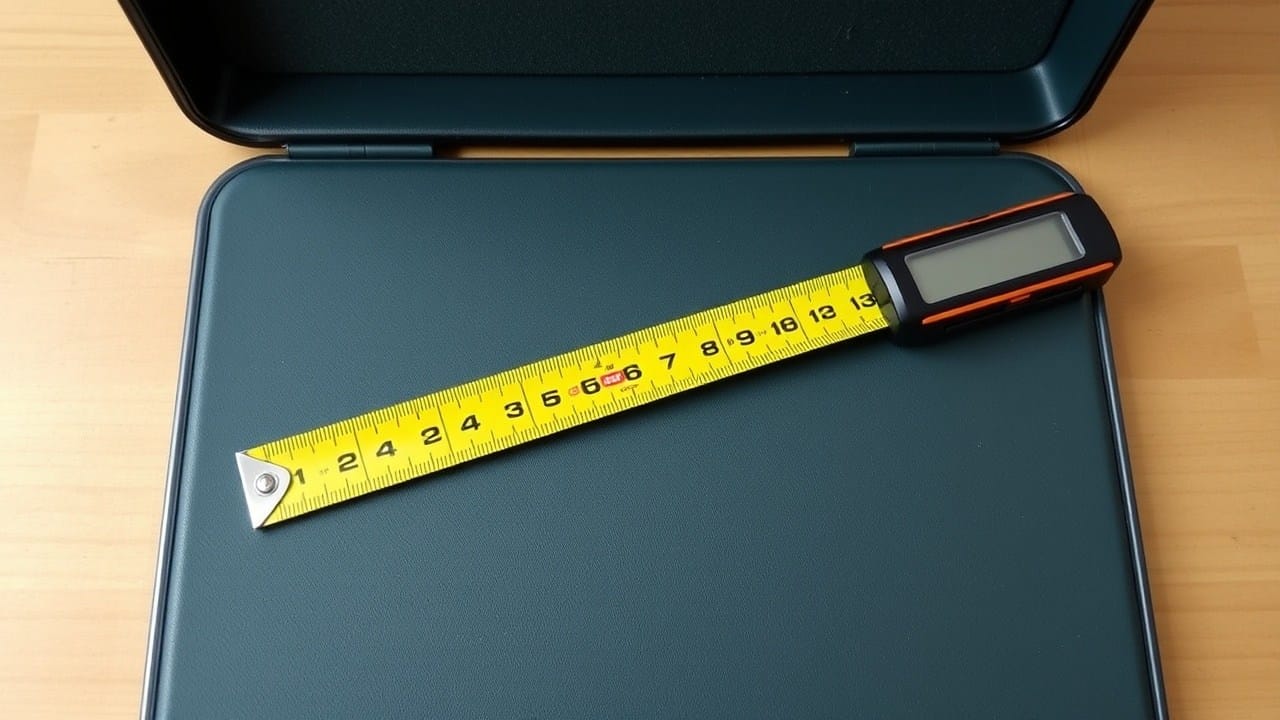
Assessing the Case’s Base for Compatibility
Before beginning the installation, carefully assess the flight case‘s base to ensure compatibility with the chosen rubber feet. Examine the material of the flight case – whether it is plastic, wood, or metal – as this will influence the mounting method. Check for any existing damage or wear that might affect the stability of the rubber feet. Consider the thickness of the base material; thinner materials may require additional support, such as steel washers or a reinforcing plate, to prevent the rubber foot from pulling through under heavy loads. The shape of the base also matters; a flat, even surface is ideal for standard rubber feet, while a curved or uneven surface may require specially designed rubber feet or custom mounting solutions.
Cleaning and Preparing the Surface
Cleaning and preparing the surface of the flight case is a crucial step in ensuring a strong and durable application of rubber feet. Start by removing any dirt, dust, or debris from the area where the rubber feet will be mounted. Use a degreaser or mild detergent to clean the surface thoroughly, ensuring that any grease or oil is removed. If the surface is rough or uneven, consider sanding it down to create a smoother base for the rubber foot. For metal surfaces, you might need to etch or prime the area to improve adhesion. Make sure the surface is completely dry before proceeding with the installation, as moisture can interfere with the bonding process. This meticulous preparation will help maximize the lifespan and effectiveness of your rubber feet.
Foam Considerations for Enhanced Stability
When installing rubber feet, consider the integration of foam to enhance stability and protect your flight case. Adding a layer of foam between the rubber foot and the case base can provide additional cushioning and vibration dampening. This is especially useful for flight cases containing sensitive equipment. The foam can help distribute the load more evenly, reducing stress on the mounting points and increasing the overall stability of the case. When selecting foam, choose a closed-cell type that is resistant to moisture and compression. Cut the foam to match the diameter of the rubber foot base, ensuring a snug and secure fit. Using a high-quality adhesive to bond the foam to both the rubber foot and the case will create a robust and long-lasting installation. This tip ensures your flight case can handle heavy impacts and remain stable.
Installing Rubber Feet on Your Flight Case
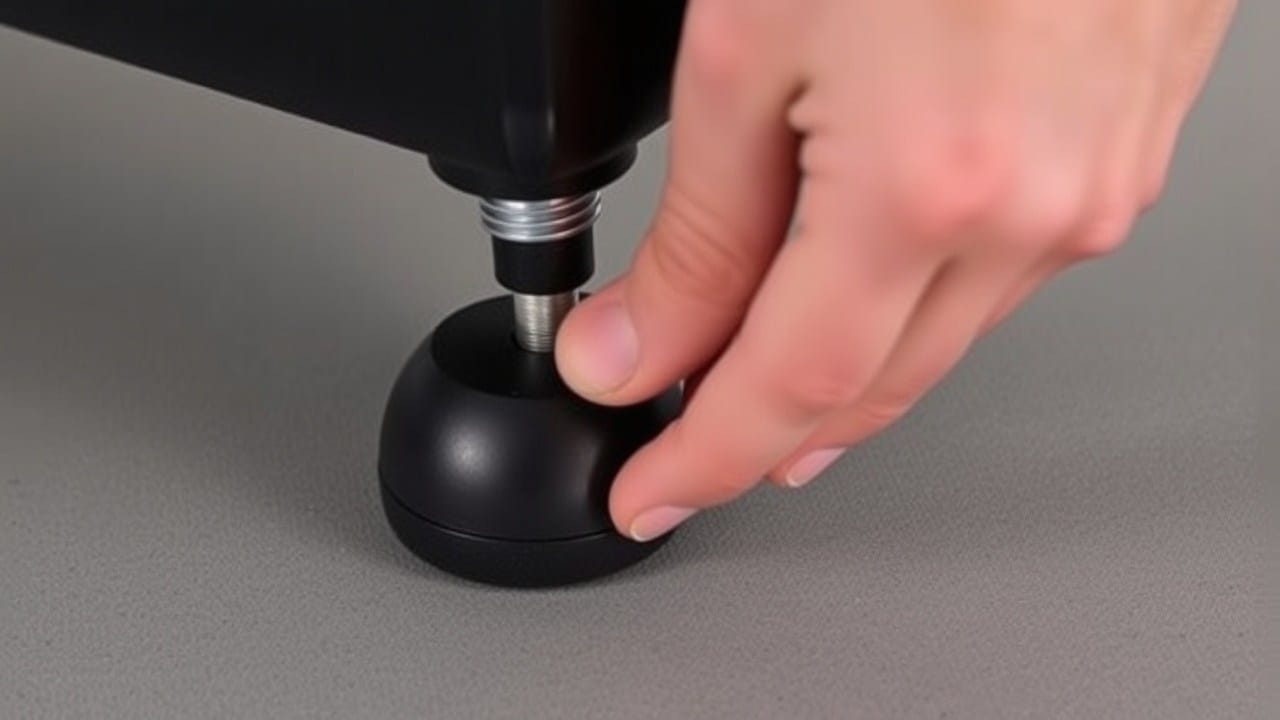
Step-by-Step Mounting Guide
Installing rubber feet on your top shelf for easy access. flight case is an essential component for securing the assembly with a nut. easy process that can significantly improve its top performance. stability and protect it from damage. First, position the rubber feet at each corner of the case base. Make sure they are evenly spaced for optimal balance. Next, mark the locations for the mounting holes. Depending on the material of your flight case, you may need to drill pilot holes. For wood or plastic cases, a small hammer can be useful for gently tapping the nut into place. drill bit will suffice. For metal cases, use a metal-rated hammer. drill bit. Once the pilot holes are ready, align the rubber feet and secure them with screws and nuts for better assembly, ensuring everything is tightly fastened. or bolts. Ensure the fit is snug, but avoid over-tightening to prevent damage to the case or the feet. This simple application enhances the use of your flight case.
Tips for Ensuring a Secure Fit
To ensure a secure fit of your rubber feet, consider the following tips. Always use the correct size screws or bolts for the mounting holes. If the holes are too large, use steel washers to provide a better grip and prevent the screw from pulling through. For heavy cases, consider using rubber feet with metal inserts for added strength. When mounting the rubber feet, apply a small amount of thread locker to the nut to secure it in place. screws to prevent them from loosening over time. Regularly inspect the top of your flight case for any signs of wear or damage. rubber feet to ensure they remain securely attached. If you notice any looseness, re-tighten the screws or bolts immediately. For plastic cases, be cautious not to over-tighten the screws, as this can strip the threads in the . This attention to detail enhances the long-term durability of the top. stability of your flight case.
Common Mistakes to Avoid During Installation
Several common mistakes can compromise the effectiveness of your rubber feet installation. One frequent error is neglecting to properly clean the base of the flight case before mounting the feet. This can lead to poor adhesion and premature failure. Another mistake is using the wrong type of screw or bolt, which can damage the case or the foot. Avoid over-tightening the screws, as this can strip the threads or crack the plastic or wood. Neglecting to use steel washers on heavy cases can cause the screws to pull through the material over time. Ensure that the rubber feet are evenly spaced and aligned; otherwise, the case may be unstable if not properly secured with a nut. Do not attempt to fit rubber feet that are too small for the size and weight of the top. case. Always double-check the diameter and base size. By avoiding these pitfalls, you can ensure a durable and reliable top. application.
Maintaining Your Rubber Feet
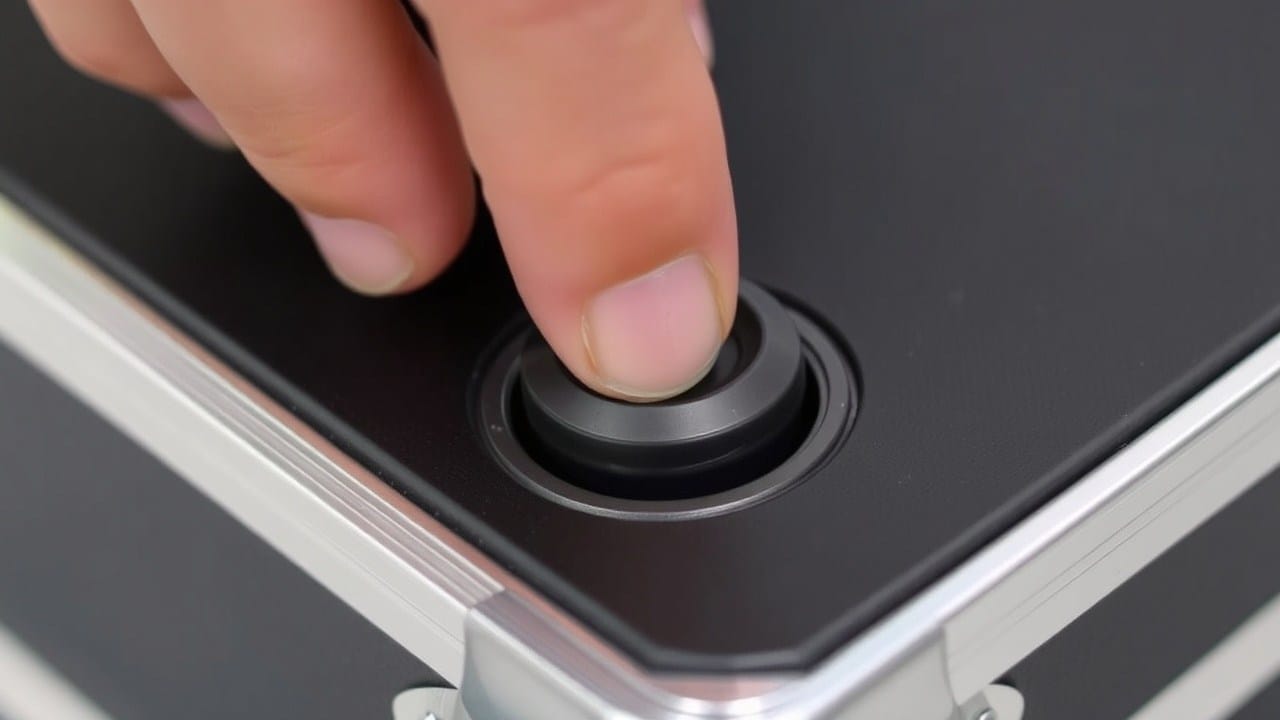
Regular Inspection and Care Tips
Regular inspection and care are essential to prolonging the lifespan of your rubber feet and maintaining the top. stability of your flight case. Periodically check each foot for signs of wear and tear, such as cracks, abrasions, or deformation. Pay close attention to the edges and base of the rubber, as these areas are prone to damage and may require a nut for additional stability. Clean the rubber feet regularly with mild soap and water to remove dirt, grime, and other debris that can degrade the material over time. Avoid using harsh chemicals or solvents, as they can cause the rubber to dry out and crack. Ensure that the mounting screws or bolts remain tight and secure. Addressing these issues promptly can prevent costly repairs and extend the use of your flight case.
Replacing Worn-Out Rubber Feet
Knowing when and how to replace worn-out rubber feet is crucial for maintaining the integrity of your flight case. If you notice significant wear, such as deep cracks or detachment from the case, it’s time for a replacement nut. Begin by removing the old nut and replacing it with a new one. rubber foot, carefully unscrewing or unbolting it from the base. Clean the mounting area to remove any residue or debris, especially around the nut. Select new nuts for your project. rubber feet that match the size, shape, and mounting style of the originals, ensuring they match the top aesthetics. Penn Elcom offers various replacement feet designed for durability and fit. Secure the new rubber foot with appropriate screws or bolts, ensuring a snug and even fit. Regularly replacing rubber feet not only enhances the stability of your flight case but also protects its base from damage, ensuring long-term durability of the nut. use.
Benefits of Using Quality Rubber Feet
Investing in quality rubber feet offers numerous benefits for your flight case, enhancing its durability, stability, and overall performance. High-quality rubber feet provide superior shock absorption, protecting the contents of your case from impacts and vibrations. They also offer excellent grip, preventing the case from sliding or shifting during transport. Rubber feet elevate the durability of the top. case off the ground, safeguarding it from moisture and dirt. Metal feet provide enhanced load-bearing capabilities, making them ideal for heavy loads. Penn Elcom rubber feet, in particular, are engineered for ruggedness and reliability, ensuring long-lasting protection and top performance. stability. The correct application of these part extends the life of your case. By using quality rubber feet, you can rest assured that your hammer is secure. flight case is well-protected and ready for any challenge.
