
In today’s fast-paced world, the ability to efficiently manage and track equipment is more critical than ever. Equipment labels play a pivotal role in this process, offering a simple yet powerful solution for identification and organization across various industries. From asset tracking to inventory management, the right labeling system can significantly streamline operations and minimize losses. This article delves into the world of equipment labels, exploring their types, importance, and applications, particularly focusing on barcode, asset tag, and flight case identification to streamline organization across various settings.
Understanding Equipment Labels
What are Equipment Labels?
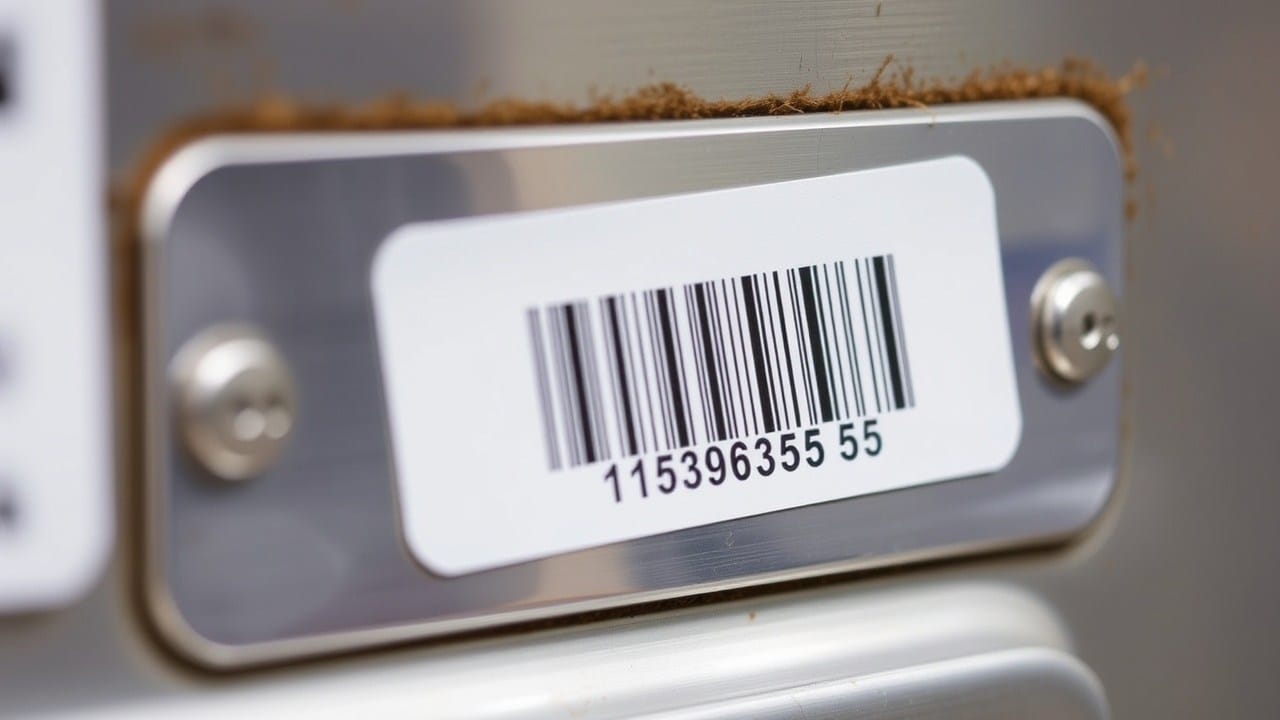
Equipment labels are identification markers affixed to various items to provide essential information. These labels offer a means of clearly marking equipment with details such as asset identification, barcodes for scanning, or specific instructions. They can be custom designed to include a company logo, contact information, or other relevant data. Ranging from simple adhesive labels to more durable asset tags and plates, equipment labels are versatile tools for inventory management, asset tracking, and ensuring efficient organization. The primary function of these labels is to provide quick, reliable identification, improving inventory control and streamlining operations.
Types of Equipment Labels
There is a wide array of equipment labels available, each designed for specific purposes and environments. Barcode labels and labels for asset tracking, often printed on durable material like polyester or vinyl, are essential for efficient inventory management and asset management. Asset tags, which are typically more robust, securely attach to equipment for long-term identification. Flight cases benefit from multipurpose labels, sometimes referred to as case labels, which can include barcodes, QR codes, or custom information. Identification labels can be crafted from various material options, including heavy-duty industrial-grade choices to withstand harsh conditions. Custom labels can also be tailored with a company logo, SKU, or other unique identifiers. These labels offer a cost-effective way to ensure that equipment is easily identifiable and trackable, providing a reliable solution for various applications.
Importance of Labeling Equipment
Labeling equipment is of paramount importance in numerous industries for a multitude of reasons. In particular, it offers a number of key benefits, including the ability to identify assets quickly and efficiently.
- It significantly improves inventory control and streamlines asset tracking processes. With durable barcode labels or asset tags, organizations can efficiently scan and locate items within a warehouse or across multiple locations, which helps to streamline organization across various settings. This not only saves time but also reduces the risk of lost or misplaced equipment.
- Clear and reliable identification labels ensure that equipment is used correctly and maintained properly. For flight cases, having specific case labels can prevent mix-ups and ensure that the right equipment arrives at the right destination.
- The durability of labels, especially when using materials like polyester or vinyl, ensures that the information remains legible even in harsh environments, providing long-term value and a cost-effective solution for asset management.
Labeling equipment is therefore a versatile tool that enhances operational efficiency and ensures accountability.
Barcode Labels for Inventory Management
Benefits of Using Barcode Labels
Barcode labels offer a multitude of benefits for efficient inventory management and asset tracking. By using barcode labels, businesses can significantly improve inventory control and streamline the tracking process, reducing the time it takes to locate equipment. The durable barcode labels, especially those made from polyester or vinyl, ensure long-term readability and durability, even in challenging environments. Barcodes facilitate quick and reliable scanning, enabling efficient data capture and reducing manual data entry errors. The ease of use and cost-effectiveness of barcode labels make them a valuable tool for any organization looking to optimize its inventory management processes. Furthermore, custom barcode labels can be designed with a company logo or SKU, providing an added layer of identification and brand recognition. The labels are versatile, can be applied to various surfaces, and ensure accurate and up-to-date inventory information.
How to Create Effective Barcode Labels
Creating effective barcode labels involves several key considerations to ensure they meet the specific needs of your inventory management system. First, select a durable material that can withstand the environment in which the equipment will be used. Then, incorporate essential information, such as sequential numbering and quotes for better tracking.
- Asset identification numbers, SKU
- QR codes, for added data capacity
For the best result, use a high-quality printer and ink to ensure clear and scannable barcode id labels. Custom labels can include a company logo for added branding and identification. The right approach to barcode label creation enhances asset tracking, streamlines operations, and improves inventory control within the warehouse. Consider the size of the label, the surface it will be applied to, and the level of environmental exposure when deciding which material and adhesive to use to ensure durability.
Scanning and Tracking with Barcode Labels
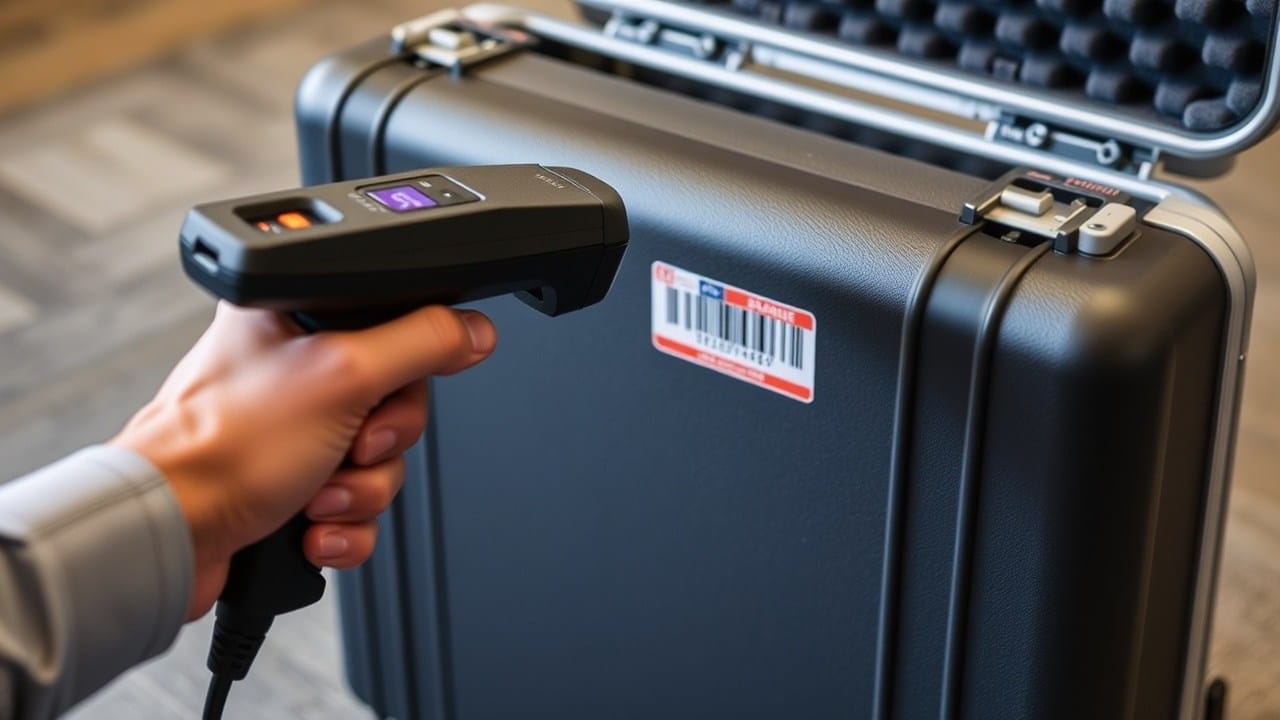
Scanning and tracking equipment with barcode labels significantly enhances operational efficiency and accuracy in inventory management and asset tracking. A barcode scanner quickly reads the coding on a label, providing real-time data updates on equipment location and status. This ensures accurate inventory counts and minimizes the risk of lost or misplaced items. With durable barcode labels securely attached, businesses can easily track assets throughout their lifecycle, from acquisition to disposal. Integrating barcode scanning with inventory management software streamlines the entire process, providing valuable insights and reports. Labels designed to streamline organization within a warehouse are a cost-effective and reliable way to manage assets. The data from scans can be used to improve inventory control and ensure that labels are always legible and accessible, further enhancing the value of barcode-based tracking systems. By using barcode labels, businesses can achieve a higher level of accountability and efficiency in asset management.
Custom Asset Tags for Identification
Advantages of Custom Asset Tags
Custom asset tags offer a multitude of advantages in asset tracking and inventory management. Unlike generic labels, custom asset labels can be tailored to meet specific organizational needs, incorporating details such as a company logo, unique asset identification numbers, or QR codes for enhanced data capture. This level of customization makes asset tracking more efficient, reducing the likelihood of errors and improving overall inventory control. Additionally, custom asset tags can be designed with durable materials that withstand harsh environments, ensuring long-term legibility and adhesion. With custom asset tags, businesses can streamline their asset management processes, ensure accountability, and maintain a professional appearance while improving asset identification through effective use of id labels. The labels offer a cost-effective solution that can be printed on a durable material like polyester or vinyl and securely attached to equipment, flight cases, and other assets.
Designing Your Asset Tag
Designing an effective asset tag requires careful consideration of several factors to ensure it meets your asset tracking needs. When designing your tags, you should consider elements such as:
- Selecting a durable material, such as heavy-duty polyester or vinyl, is designed to streamline organization across various settings where your equipment is used.
- Incorporating design options for a company logo, asset identification numbers, and barcodes or QR codes for efficient scanning.
Consider the size and shape of the id labels to ensure they fit securely on the equipment surface without obstructing functionality. Choose a font and layout that is easy to read and scan, maximizing efficiency in inventory management. Custom asset tags are a cost-effective solution that streamlines asset tracking processes and ensures reliable identification. These identification labels improve inventory control and asset management. It is also important to use a reliable printer with quality ink.
Durability and Material Considerations
When selecting materials for asset tags, durability is paramount to ensure long-term performance and readability in various environments. Heavy-duty materials such as industrial-grade polyester or vinyl are excellent choices because they can withstand harsh conditions, including exposure to chemicals, abrasion, and extreme temperatures. Selecting a compatible adhesive is also crucial to securely attach the labels to the equipment surface, preventing them from peeling or fading over time. The durability of asset tags directly impacts the effectiveness of asset tracking and inventory management, ensuring accurate and reliable identification. For flight cases that endure frequent handling and transportation, durable case labels are essential. Choose a reliable printing method to ensure that the barcode, coding, or other information on the asset tags remains legible throughout the asset’s lifecycle. The labels offer a cost-effective solution to improve inventory control and asset management.
Multipurpose Labels for Flight Cases

Features of Multipurpose Labels
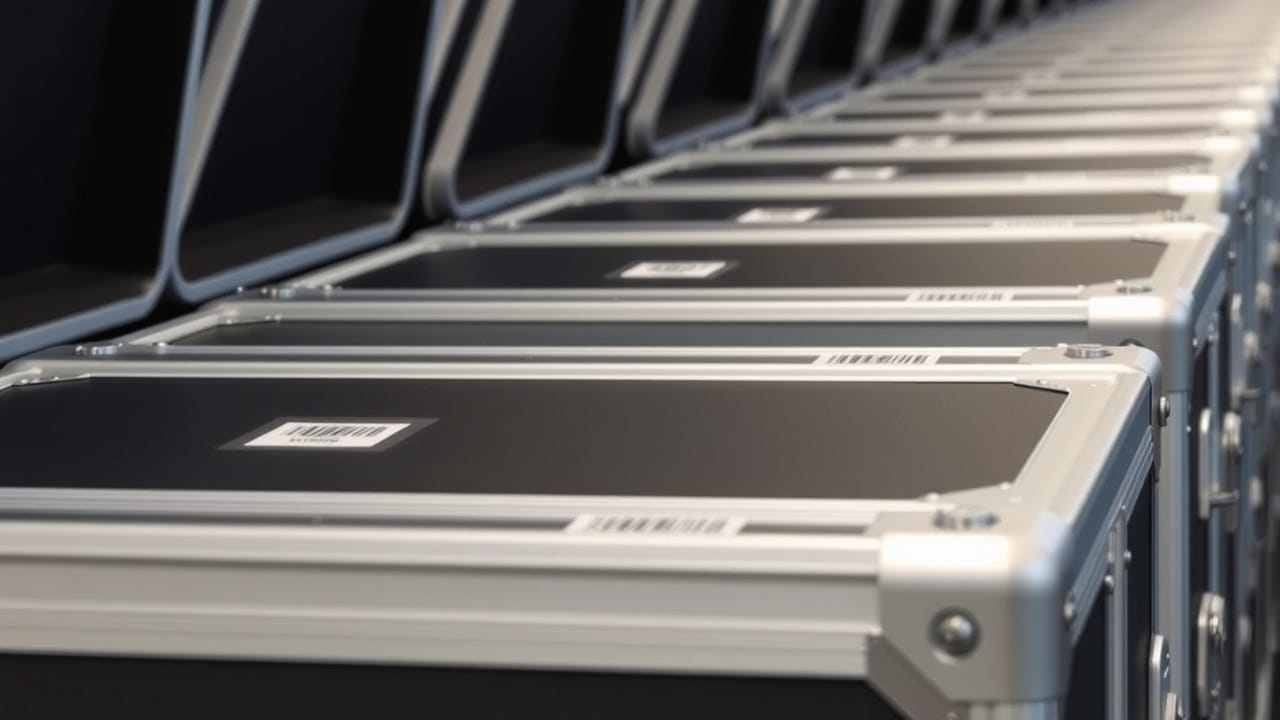
Multipurpose labels for flight cases offer a versatile solution for identification and inventory management. These labels often combine various features, such as barcodes, QR codes, and custom text fields, providing comprehensive information at a glance to help identify assets. They are crafted from durable material like polyester or vinyl to withstand the rigors of travel and handling, ensuring that the information remains legible. Multipurpose labels can include a company logo, contact details, or specific instructions, making them an essential tool for flight cases. The labels offer an efficient way to streamline organization, improve inventory control, and ensure that the right equipment arrives at the right destination. With these labels, businesses can efficiently manage their assets and reduce the risk of loss or misplacement.
Easy Application Techniques
Applying labels to flight cases should be a straightforward process to ensure they adhere securely and remain legible. The surface of the flight case should be clean and dry before applying any label. Peel the label carefully from its backing and align it correctly before pressing it firmly onto the flight case. Using a squeegee or a similar tool can help remove air bubbles and ensure a strong adhesive bond. For durable barcode labels or asset labels, consider using labels that are specifically designed for rough or uneven surfaces. To ensure the labels are compatible with the flight cases, test a small area first to check for any adverse reactions with the case material. Properly applied identification labels enhance asset tracking and inventory management and improve inventory control.
Using QR Codes on Flight Cases
Incorporating QR codes on flight cases can significantly enhance tracking and inventory management capabilities. QR codes can store a wealth of information, including asset identification numbers, equipment specifications, and even maintenance history. Scanning a QR code with a smartphone or tablet provides immediate access to this data, streamlining inventory checks and asset tracking processes. When designing labels with QR codes, it’s important to ensure the code is large enough and printed clearly for reliable scanning. Durable barcode labels with QR codes, made from materials like polyester or vinyl, can withstand harsh environments. With custom labels featuring QR codes, businesses can achieve a new level of efficiency in managing and tracking their flight cases. These labels offer an efficient way to improve inventory control.
Durability and Material in Label Making
Choosing Durable Materials for Labels
Selecting the right material is critical to the durability and longevity of equipment labels, especially when used in demanding environments. Durable materials such as polyester and vinyl are excellent choices for labels due to their resistance to abrasion, chemicals, and extreme temperatures. For flight cases, which often endure rough handling, labels made from heavy-duty industrial-grade materials are essential. The adhesive used should also be robust to ensure the labels remain securely attached to the surface. Choosing the right durable material ensures that the coding and asset identification remain legible, supporting long-term inventory management and asset tracking. The labels offer a cost-effective solution for labeling equipment.
Testing the Durability of Labels
Testing the durability of labels is an essential step to ensure they can withstand the conditions they will face, allowing them to effectively identify assets. Durability tests may include subjecting labels to abrasion, temperature extremes, humidity, and chemical exposure. Labels made from polyester and vinyl often perform well in these tests. For flight cases, consider simulating the handling and transportation conditions to assess the label’s ability to adhere and remain legible, ensuring they can identify the contents effectively. Securely attaching the labels to various surface types and monitoring their performance over time also provides valuable insights. By conducting thorough durability testing, businesses can select labels that offer reliable and long-lasting identification. Withstand tests will make you feel secure about the labels, offering you the most for its price.
Removable vs. Permanent Labels
Deciding between removable and permanent labels depends on the specific application and the equipment labeling needs. Permanent labels, often made from durable material like industrial-grade polyester or vinyl, are ideal for long-term asset tracking and equipment identification. These labels are designed to withstand harsh conditions and resist tampering, ensuring the information remains intact. Removable labels, on the other hand, are useful for temporary identification or when equipment needs to be relabeled frequently. While removable labels are easier to remove without leaving residue, they may not be as durable as permanent options designed to streamline organization across various settings. The labels offer versatility and cost-effectiveness in streamlining inventory management and asset management. Choosing the right type of label ensures efficient and accurate identification of equipment and assets.
