
When constructing robust cases, reliable lids, and secure road cases, the choice of hinges and lid stays is paramount. Kingway Metal provides a comprehensive selection of case hardware, specializing in piano hinges and lid stays designed for various applications, including those using Penn Elcom products. From standard hinges to custom solutions, our hardware ensures durability, smooth operation, and secure assembly, making your builds both reliable and professional.
Piano Hinges Overview

What is a Piano Hinge?
A piano hinge, also known as a continuous hinge, is a type of hinge that runs the entire length of the surface to which it is attached. This design distributes stress evenly along the hinge, offering superior strength and stability compared to standard hinges. Characterized by its extended length and multiple hinge loops, a piano hinge provides continuous support, making it ideal for applications requiring a durable and reliable connection along the full span of a lid or door. The hinge pin runs the entire length of the hinge, ensuring smooth, consistent operation.
Applications of Piano Hinges
The versatile application of piano hinges makes them suitable for a wide range of projects, from simple repairs to complex installations. Predominantly, they are used in the construction of road cases designed to endure the rigors of shipping and transport. The length of the piano hinge offers exceptional support for heavy lids, preventing misalignment and ensuring secure closure. Beyond road cases, piano hinges are also employed in aircraft cowling, doors, flaps, and various industrial applications where a robust, full-length hinge is essential, including those made from extruded aluminum hinge. Their strength and durability also suit them for use in furniture and custom builds.
Advantages of Using Piano Hinges
Choosing a piano hinge offers numerous advantages over standard hinges. The continuous design provides superior strength and support, distributing weight evenly along the entire length of the hinge. This reduces the risk of stress concentration and failure, making them ideal for heavy-duty applications. The design improves the overall structural integrity of the case or lid and ensures smooth operation. Easy to drill and install, they can be custom cut to the exact length needed, and attached using rivets or screws. By ordering piano hinges, builders can significantly upgrade the quality and reliability of their projects.
Understanding Lid Stays
Functionality of Lid Stays
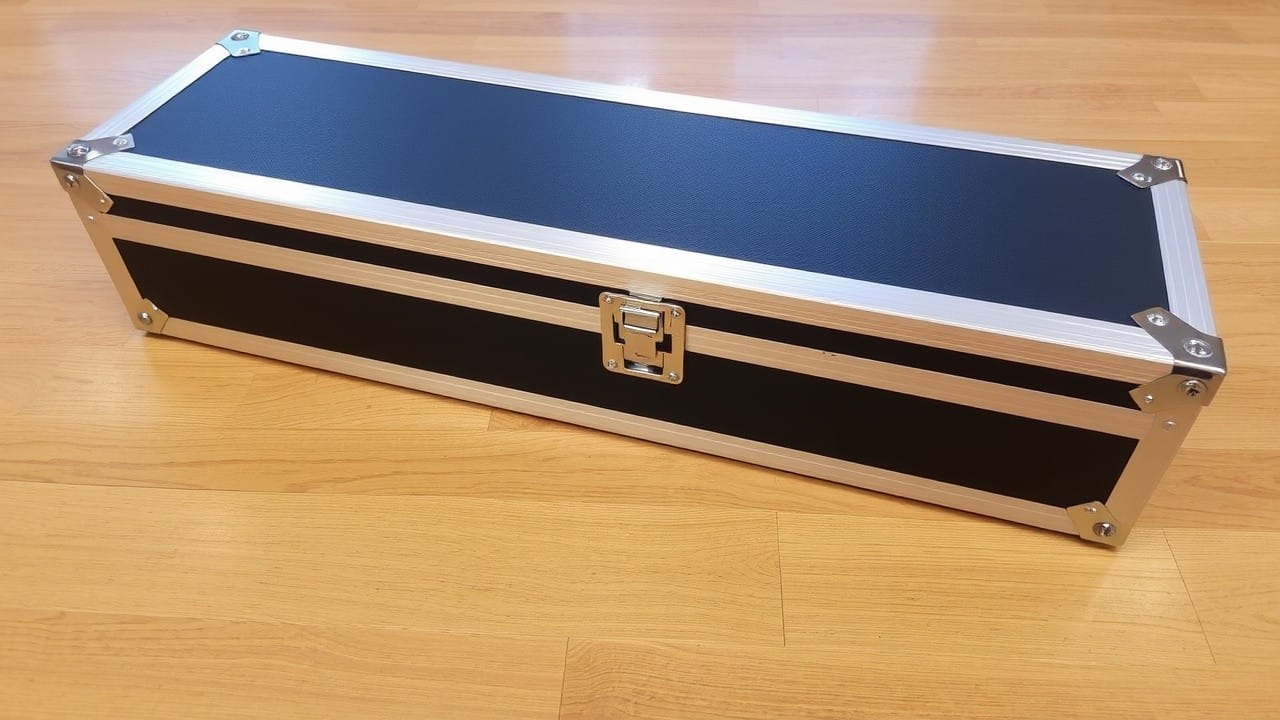
Lid stays are crucial pieces of hardware designed to control the movement and positioning of lids, particularly in shop environments. on various types of cases, boxes, and furniture. Their primary function is to hold a lid open at a desired angle, preventing it from slamming shut or opening too far. This not only improves safety but also enhances the usability of the case or container. Lid stays provide a reliable and controlled operation, ensuring the lid remains securely in place. The selection of the right lid stay depends on factors such as the weight and size of the lid, as well as the desired angle of opening. Choosing the correct lid stay ensures the longevity and functionality of your builds, making it an essential component of case hardware.
Types of Lid Stays
There are several types of lid stays available, each designed for specific applications and weight capacities. Common types include:
- Friction lid stays, which use friction to hold the lid in place, allowing for adjustable positioning.
- Gas spring lid stays, which employ compressed gas to provide smooth and controlled movement.
- Locking lid stays, which incorporate a locking mechanism to securely hold the lid open or closed.
Drop leaf table lid stays are designed specifically for supporting the leaves of drop leaf tables. The best choice will depend on your specific application, ensuring secure and reliable lid operation.
Installation Tips for Lid Stays
Proper installation is essential to ensure the functionality and durability of lid stays. Before starting, carefully measure and mark the positions for the lid stay and its corresponding mounting points. Pre-drill pilot holes to prevent splitting the material, especially when working with wood. Use appropriate screws or rivets to securely attach the lid stay to both the lid and the case, ensuring a proper recess for a flush finish. Ensure the lid stay is aligned correctly to allow for smooth operation and prevent binding. Test the movement of the lid and make any necessary adjustments to achieve the desired opening angle and secure holding force. Correct installation improves the lifespan and reliability of the hinges and lid stays.
Choosing the Right Hinges and Lid Stays

Factors to Consider
When selecting the appropriate hinges and lid stays for your project, several factors must be taken into account to ensure optimal performance and longevity. The size and weight of the lid are primary considerations; heavy lids require more robust hinges and lid stays capable of supporting the load without sagging or failing. The intended application designation can significantly influence the choice of hardware. is also crucial; road cases, for example, demand heavy-duty hardware able to withstand the rigors of shipping and handling. Consider the frequency of use and the environment in which the case will be used. For high-use applications, prioritize hinges and lid stays made from durable materials like steel or stainless steel. Evaluate the opening angle and desired level of control, opting for lid stays that offer adjustable friction or locking mechanisms for added security.
Length and Size Considerations
The length and size of the piano hinge are critical factors that directly influence the strength and stability of the assembly. The length of the piano hinge should ideally span the entire width of the lid and case to distribute weight evenly and prevent misalignment. When selecting a steel piano hinge, consider the thickness of the hinge material; thicker steel offers greater resistance to bending and deformation under heavy loads. The diameter of the hinge pin also plays a role in determining the overall strength and durability of the hinge. Ensure that the size of the piano hinge is appropriate for the dimensions of the case and lid to provide a secure and reliable connection. For smaller applications, consider using smaller piano hinges; for larger, heavier applications, consider heavy duty piano hinges for additional support.
Locking Mechanisms for Added Security
For applications where security is paramount, integrating locking mechanisms into your case design can provide an extra layer of protection. Locking lid stays are an excellent option, as they securely hold the lid in the open or closed position, preventing unauthorized access. Additionally, consider using lockable hinges or adding a separate locking latch to the case. When selecting locking hardware, prioritize durable materials and robust designs to withstand tampering and forced entry. Ensure the locking mechanism is easy to operate for authorized users but difficult for others to bypass. Adding a robust lock upgrades the overall security and peace of mind when securing valuable items in road cases or other enclosures. The combination of secure hinges and lid stays with locking features will improve the protection and reliability of your builds.
Installation of Hinges and Lid Stays
Step-by-Step Installation Guide
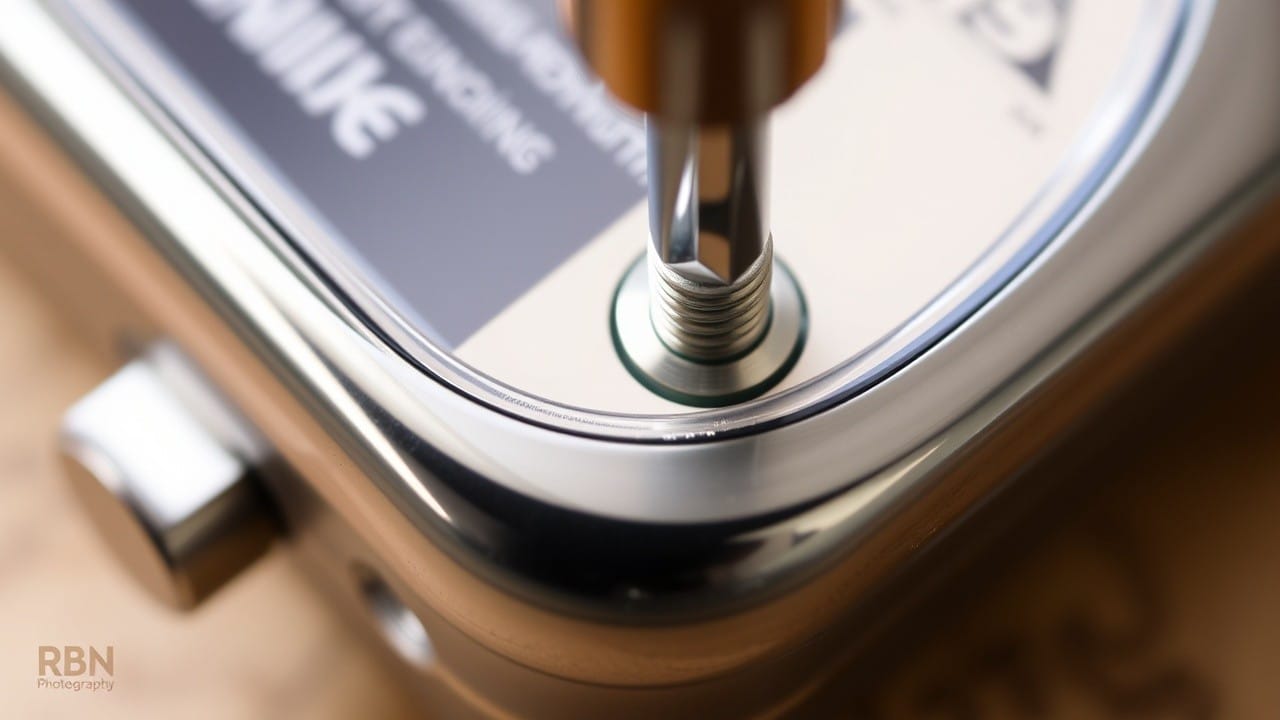
The successful installation of hinges and lid stays is crucial for ensuring the longevity and secure operation of your cases. Start by carefully measuring and marking the desired location for the hinges. For piano hinge installation, ensure that the hinge pin will allow side-to-side movement for optimal functionality. smooth movement along the entire length of the lid. Pre-drill pilot holes to prevent splitting the material, especially when working with wood. For lid stays, accurately position them to control the lid’s opening angle. Securely attach the hinges and lid stays using appropriate fasteners such as rivets or screws, ensuring they are flush with the surface. Test the assembly to verify smooth and reliable operation, making adjustments as needed.
Common Mistakes to Avoid
Several common mistakes can compromise the function and durability of hinges and lid stays. These errors include oversights such as:
- Failing to pre-drill pilot holes, which can lead to splitting the material.
- Using the wrong size or type of fastener, which can impact the strength of the connection.
Misalignment of the hinge or lid stay can cause binding or uneven operation. Neglecting to account for the weight of the lid can result in selecting hinges or lid stays that are not heavy-duty enough, potentially leading to the need for repair. Moreover, forgetting to apply lubrication can cause friction and premature wear. Avoid these pitfalls by carefully planning the installation and using the correct tools and hardware to ensure a robust and reliable assembly.
Tools Required for Installation
A variety of tools are essential for the proper installation of hinges and lid stays. Accurate marking and alignment will require tools such as:
- A measuring tape and pencil.
- A drill with various size drill bits for pre-drilling pilot holes and attaching hardware.
Furthermore, a screwdriver or rivet gun, depending on the type of fastener used, ensures secure attachment. A level is helpful for ensuring proper alignment of the hinges and lid stays. A metal file or sandpaper can be used to smooth any rough edges or burrs. Safety glasses and gloves are recommended for personal protection during the installation process. By having the right tools on hand, you can ensure a professional and durable installation.
Conclusion
Recap of Key Points
Throughout this discussion, we’ve emphasized the importance of selecting the correct hinges and lid stays for your project. Piano hinges offer superior strength and continuous support for applications. Understanding the functionality and types of lid stays is crucial for controlling lid movement and ensuring safety. Careful consideration of factors such as lid size, weight, and intended application is essential when choosing hardware. Proper installation techniques, including pre-drilling pilot holes and using appropriate fasteners, are key to achieving a secure and reliable assembly. By adhering to these guidelines, builders can improve the quality and longevity of their builds, ensuring they stand the test of time.
Final Thoughts on Selecting Hinges and Lid Stays
Selecting the right hinges and lid stays involves a thorough evaluation of your project’s specific needs and requirements. From the robust support of a steel piano hinge to the controlled motion provided by a lid stay, each piece of hardware plays a vital role in ensuring the functionality and durability of your cases and builds. Prioritize quality and reliability by choosing hardware made from durable materials such as steel. Consider the aesthetic aspects of the hardware, ensuring it complements the overall design of your project. By investing in high-quality hinges and lid stays, you can achieve a professional finish and lasting performance, enhancing the value and utility of your creations.
