
Ensuring your guitar remains safe during transit requires a sturdy and reliable flight case. A critical component of any guitar case is its handle. Over time, the guitar case handle can wear out, break, or become uncomfortable, necessitating a guitar case handle replacement. This comprehensive guide provides an in-depth look at the process of guitar case handle replacement, ensuring that your instrument stays protected. Whether you’re dealing with a worn leather handle or a broken plastic grip, understanding the types of handles available and the steps involved in replacing them will extend the life of your flight case and safeguard your valuable guitar.
What Is a Guitar Flight Case Handle Replacement?
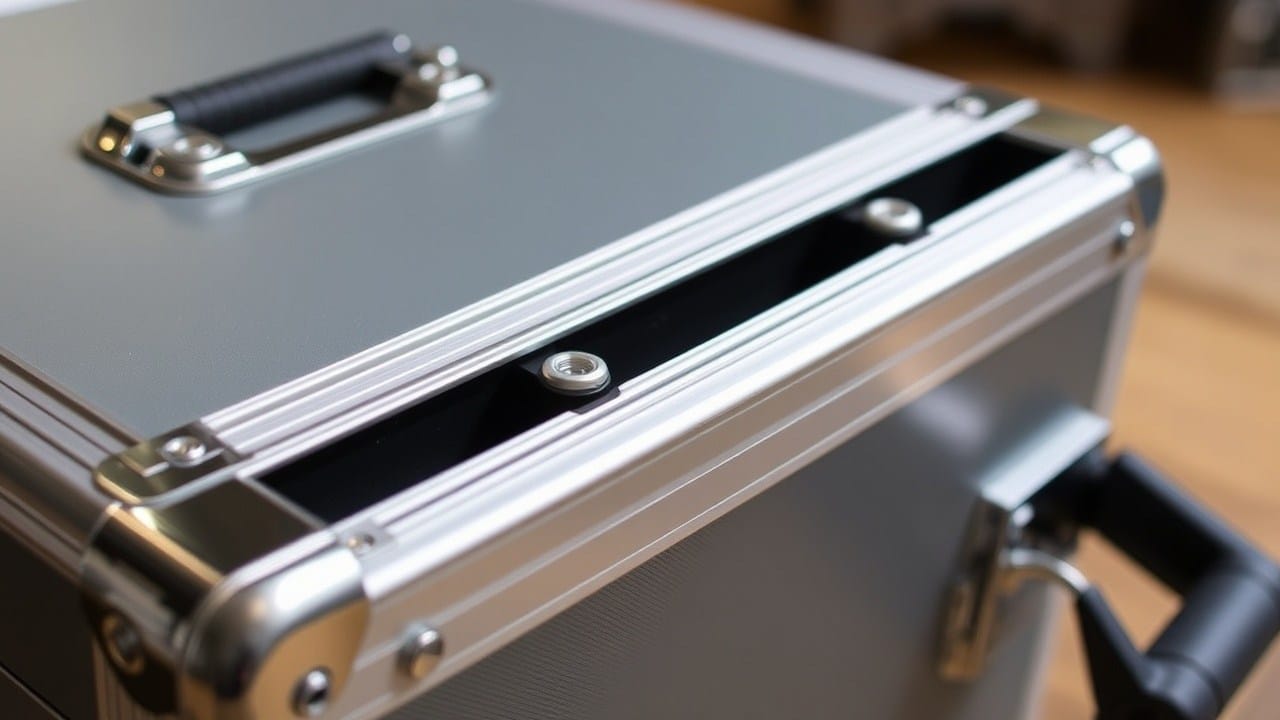
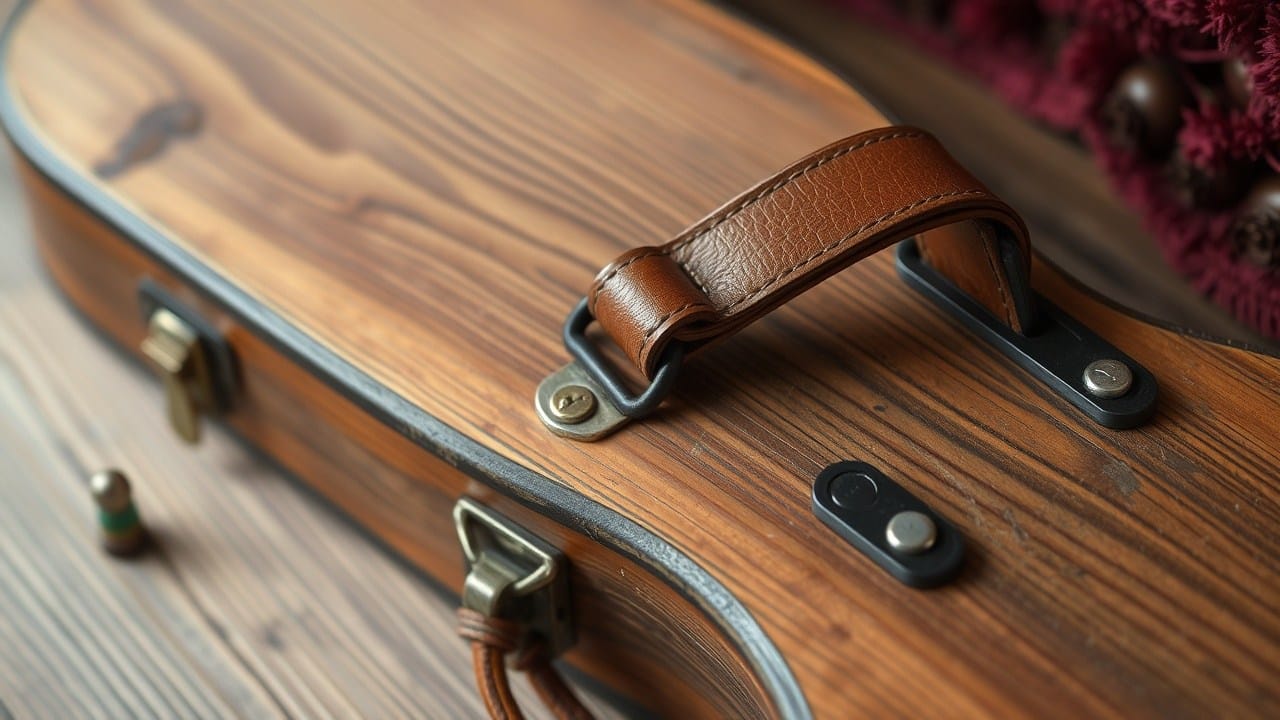
A guitar flight case handle replacement involves removing a damaged or worn handle on the case and installing a new brown leather handle. The guitar case handle is a crucial piece of case hardware, enabling easy and secure transport of your instrument. Kingway Metal Co., Ltd, a leading one-stop case hardware manufacturer, supplies flight case hardware to premium plastic flight cases manufacturers in America and Europe. A proper replacement case handle ensures that your guitar case remains functional and reliable. This process may involve basic tools like a screwdriver, drill, and possibly rivets, depending on the type of handle and the original attachment method. Selecting the right replacement handle is essential to maintaining the integrity and usability of your flight case.
Why Guitar Flight Case Handles Fail Over Time
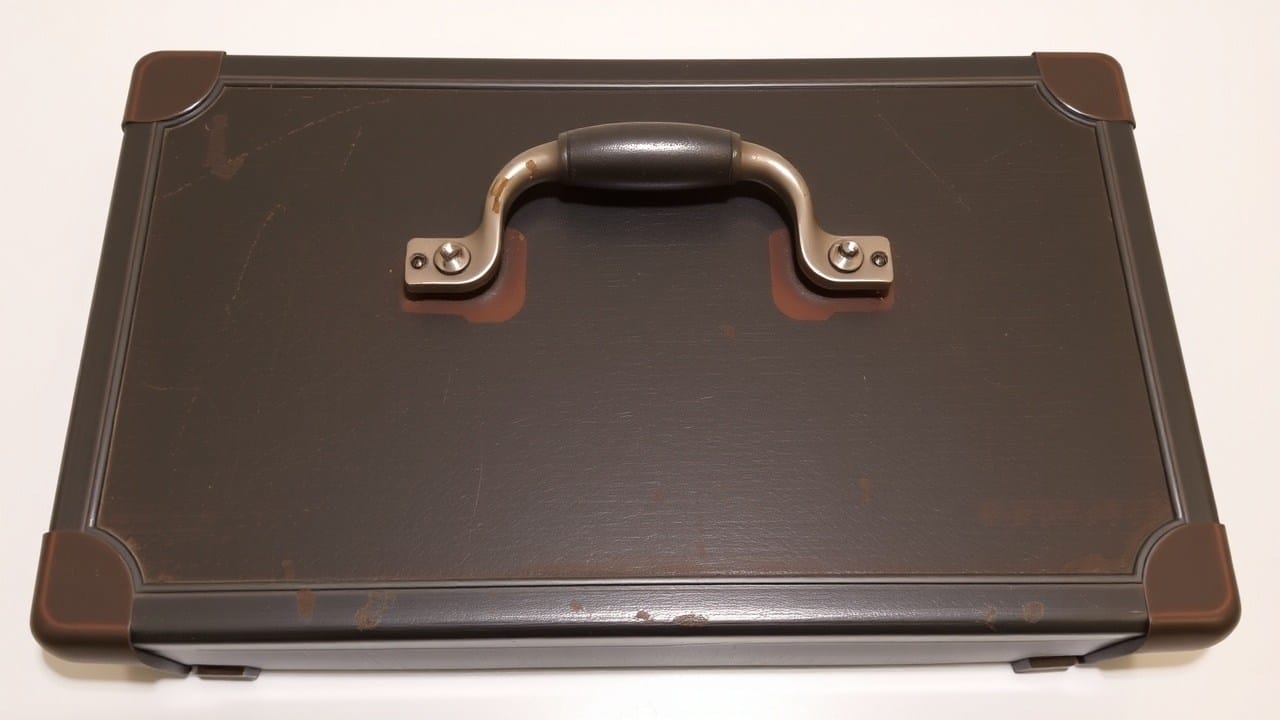
Guitar case handles endure significant stress and wear, leading to eventual failure, especially when used with a heavy black amp. Frequent use, combined with the weight of the instrument, can cause the materials to degrade over time. Leather handles may dry out and crack, while plastic or rubber molded handles can become brittle and break. Environmental factors such as temperature and humidity can also contribute to the deterioration of the handle on the case. Additionally, poor quality materials or inadequate construction can accelerate the failure of a guitar case handle. Regular handling and the constant strain from lifting the instrument case make the guitar case handle a vulnerable point, highlighting the importance of using sturdy, high-quality replacement parts when the need to replace arises.
Types of Guitar Flight Case Handles
When seeking a guitar case handle replacement, you’ll encounter various types, each with its own advantages. The choice often depends on personal preference, budget, and the specific requirements of your guitar case. Understanding the characteristics of each type ensures you select the most suitable replacement handle for your needs. Whether you prefer the classic look of leather or the modern functionality of spring-loaded metal handles, there’s a replacement case handle designed to meet your demands and provide a comfortable and secure grip for your instrument case.
Rubber Molded Handles
Rubber molded handles are a popular choice for guitar flight cases due to their durability and comfortable grip. These handles are typically made from synthetic rubber or similar flexible materials, providing a cushioned feel that reduces hand fatigue. The rubber material is resistant to wear and tear, making it a sturdy option for frequent use. A rubber replacement handle can be easily installed with screws or rivets, offering a secure attachment to the case. While not as aesthetically pleasing as leather handles, rubber molded handles offer excellent functionality and are a practical choice for musicians who prioritize comfort and durability. They are also relatively inexpensive, making them an affordable option for guitar case handle replacement.
Leather Wrapped Handles
Leather wrapped handles offer a premium look and feel, making them a popular choice for high-end guitar cases and matching well with a black amp. A leather handle provides a comfortable grip and adds a touch of elegance to your instrument case. These handles often consist of a sturdy core wrapped in genuine or synthetic leather, providing both durability and aesthetic appeal. The leather may be stitched or glued to the core, ensuring a secure and long-lasting finish. A leather replacement handle can significantly enhance the overall appearance of your guitar case, especially if it’s a brown leather option.. Regular maintenance, such as conditioning the leather, can extend the life of a leather-wrapped handle, ensuring it remains a stylish and functional component of your guitar case.
Spring-Loaded Metal Handles
Spring-loaded metal handles are known for their robust construction and convenient design, often found on professional-grade flight cases. These handles feature a metal core with a spring mechanism that allows them to fold flat against the case when not in use. This design minimizes the risk of damage during transit and saves space. A spring-loaded metal handle provides a secure and comfortable grip, making it easy to carry heavy instrument cases. The metal components are typically corrosion-resistant, ensuring long-term durability. Replacing a broken handle with a spring-loaded metal version can greatly improve the functionality and lifespan of your guitar case, making it a reliable choice for musicians who require a durable and space-saving solution. Such handles often are attached using case hardware like screws, washers and nuts.
Recessed Flight Case Handles
Recessed flight case handles are designed to sit flush with the surface of the case, offering a sleek and space-saving solution. These handles are typically made from durable materials such as metal or high-impact plastic and are integrated into a recessed compartment within the case. This design minimizes the risk of damage during transit and allows for easy stacking of cases. A recessed handle provides a comfortable grip and is ideal for musicians who require a low-profile handle that won’t protrude from the case. Installing a recessed flight case handle may require more effort than other types of handles, but the result is a clean and professional look that enhances the overall functionality of your instrument case.
How to Choose the Right Guitar Flight Case Handle Replacement
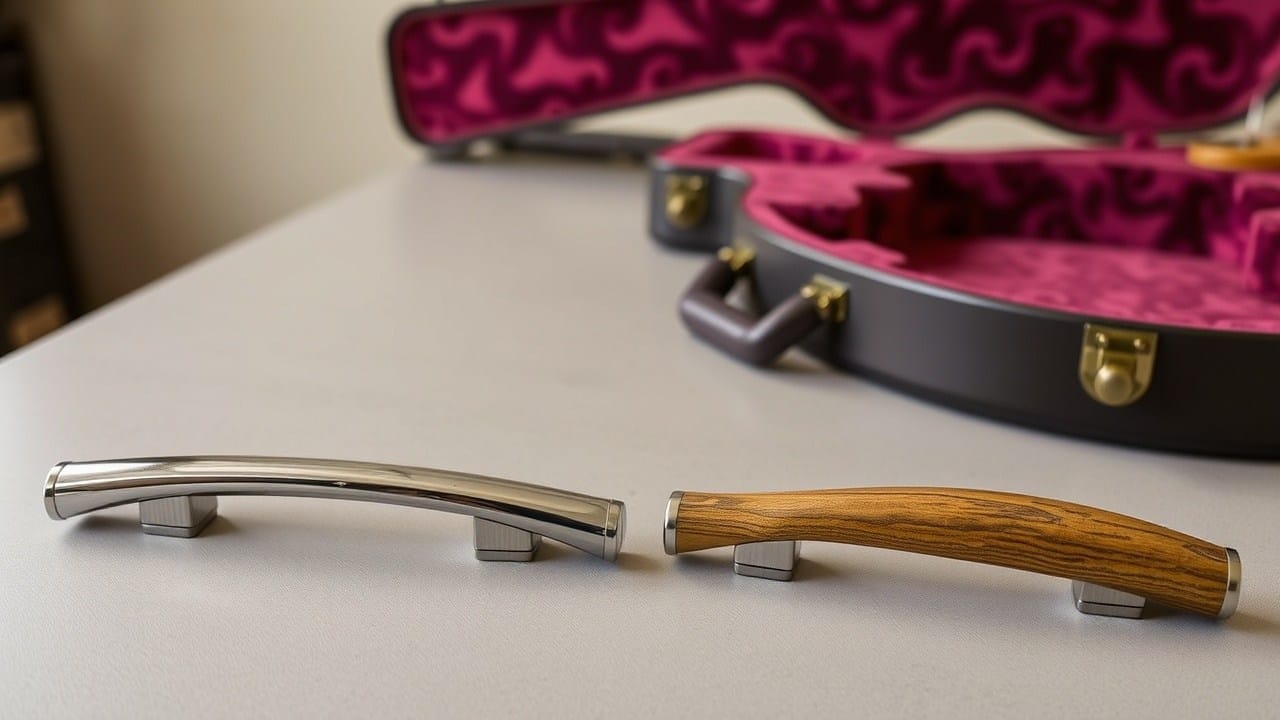
Selecting the appropriate guitar case handle replacement involves considering several factors to ensure the best fit and functionality for your needs. First, assess the type of guitar case you have, such as a brown guitar case, and the original handle style. Determine whether a rubber molded, leather handle, spring-loaded metal, or recessed flight case handle is most suitable. Think about the weight of your instrument and how often you’ll be carrying the case; a heavier guitar might benefit from a more durable metal handle or a comfortable leather replacement. Consider the mounting hardware, such as screws, rivets, or washers, required for the guitar case handle installation. Ensure that the replacement case handle matches the existing hole pattern or can be easily adapted with a loop or buckle. Kingway Metal emphasizes customization and offers a wide range of standardized options. Finally, think about your personal preferences regarding aesthetics and comfort. A well-chosen guitar case handle replacement can significantly extend the life and usability of your flight case, providing reliable protection for your instrument during transport and storage.
Tools Needed for Handle Replacement
Before commencing any guitar case handle replacement, gather the necessary tools to ensure a smooth and efficient process. The essential tools typically include a screwdriver set with various head sizes to accommodate different screw types used in case hardware. A drill with appropriate drill bits may be needed if the new handle requires new mounting holes. Rivet pliers or a rivet gun will be necessary if the original handle was attached with rivets. A set of pliers can be useful for gripping and manipulating small hardware components such as washers and nuts. For leather handle installations, consider having a leather punch and stitching awl on hand. A hammer may be needed for gently tapping rivets into place. Safety glasses are crucial to protect your eyes from flying debris during drilling or rivet removal. Additionally, a measuring tape and marker will help ensure accurate placement of the new replacement handle. With the right tools at your disposal, the guitar case handle replacement becomes a straightforward task, ensuring your instrument case is ready for your next gig or journey.
Step-by-Step Guitar Flight Case Handle Replacement Guide
Replacing a guitar case handle is a manageable task that can significantly extend the life of your instrument case. Start by gathering your tools and the replacement handle. Begin by removing the old handle, which may involve unscrewing screws, drilling out rivets, or cutting away old stitching from the leather handle. If rivets are used, carefully drill through the center of each rivet to release the handle. Once the old handle is removed, clean the area around the mounting holes to ensure a smooth surface for the new handle. Position the new replacement handle over the existing holes and align it properly. If new holes are needed, use a marker to mark the locations and drill carefully. Attach the new handle using appropriate hardware such as screws, rivets, or bolts, ensuring a secure and snug fit. For leather handles, you may need to use leather straps or thread to sew the handle in place, and consider adding a buckle for extra security. Double-check that the new handle is securely fastened and can withstand the weight of the guitar case. Test the new handle by lifting the case to ensure it is sturdy and reliable. If you encounter any issues, such as loose screws or wobbly handles, tighten or reinforce the attachments as needed. With these steps, your guitar case will be ready for any adventure, ensuring your instrument is safe and secure with a brand new, sturdy replacement handle.
Common Mistakes to Avoid
During a guitar case handle replacement, several common mistakes can compromise the integrity and longevity of the repair. One frequent error is selecting a replacement case handle that isn’t strong enough for the weight of your instrument. This can lead to premature failure and potential damage to your guitar. Another mistake is using the wrong tools, such as attempting to drill rivets without the correct drill bit, which can damage the surrounding guitar case material. Failing to properly align the new handle replacement with existing mounting holes can result in a misaligned and unstable handle on the case. Neglecting to use appropriate hardware, such as screws and washers, can also weaken the attachment. Additionally, overtightening screws can strip the threads, while undertightening can leave the handle loose. Ignoring safety precautions, such as wearing safety glasses during drilling or rivet removal, can lead to injury. Rushing the guitar case handle replacement process without carefully following instructions can result in a shoddy repair that won’t withstand the rigors of travel. By avoiding these common pitfalls, you can ensure a successful and durable guitar case handle replacement, providing reliable protection for your valuable instrument case.
Cost of Guitar Flight Case Handle Replacement
The cost of a guitar case handle replacement can vary widely depending on several factors. The selection of the replacement handle, such as a brass or leather option, significantly impacts the price. More specifically, the price varies depending on:
- The type of replacement handle chosen, with rubber molded handles being generally the most affordable option, and leather or spring-loaded metal handles being more expensive.
- The brand and quality of the replacement, as high-quality handles from reputable manufacturers will typically cost more than generic alternatives.
If you opt for professional installation at a luggage repair place, labor costs will add to the overall expense. The complexity of the handle replacement can also affect the price; a simple screw-on handle will be less expensive to replace than a riveted or recessed handle. Additionally, the cost of necessary hardware, such as screws, washers, and rivets, should be factored in. DIY replacement can save on labor costs, but requires the right tools and some technical know-how. Ultimately, budgeting for a guitar case handle replacement requires considering the cost of the new handle, any necessary hardware, and whether you’ll be performing the repair yourself or hiring a professional.
DIY vs Professional Repair
Deciding between a DIY guitar case handle replacement and professional luggage repair involves weighing the pros and cons of each approach. A DIY replacement handle offers several advantages, including:
- Cost savings, as you avoid labor fees and only pay for the new handle and necessary hardware.
- The satisfaction of completing the repair yourself and gaining familiarity with your guitar case.
However, DIY requires having the right tools and some technical skills. Incorrect installation can damage the case or result in an unstable handle on the case. Professional luggage repair, on the other hand, ensures a high-quality repair performed by experienced technicians. They have the expertise to properly install the new handle, select the appropriate hardware, and address any underlying issues. Professional repair saves you time and effort and reduces the risk of damaging your guitar case. However, it comes at a higher cost due to labor fees. The choice between DIY and professional repair depends on your budget, skills, and comfort level. If you’re confident in your abilities and have the necessary tools, DIY can be a cost-effective option. If you prefer a guaranteed professional repair, then hiring a luggage repair place is the better choice for your guitar case handle replacement.
Maintenance Tips to Extend Handle Life

To prolong the life of your replacement case handle, regular maintenance is essential. This includes several key steps, such as choosing between a luggage handle replacement or a DIY approach.
- For leather handles, conditioning the leather with appropriate leather care products will prevent drying and cracking.
- Clean rubber molded handles with mild soap and water to remove dirt and grime.
- Inspect metal handles for signs of corrosion and apply a rust inhibitor as needed.
Ensure all screws and hardware are tightened regularly to prevent loosening. Avoid exposing the handle on the case to extreme temperatures or direct sunlight for extended periods. When not in use, store your guitar case, especially a brown guitar case, in a cool, dry place to minimize environmental damage. If the guitar case handle has leather straps, check the stitching regularly and repair any loose threads promptly. By following these simple maintenance tips, you can keep your replacement case handle in excellent condition, ensuring reliable performance and extending the life of your guitar case. A well-maintained guitar case handle replacement not only ensures the longevity of the handle itself but also safeguards your instrument during transit, providing peace of mind for every journey. Remember to protect you guitar accessory as well!
Conclusion
In conclusion, a guitar case handle replacement is a straightforward yet crucial process to maintain the integrity and functionality of your instrument case. Selecting the right type of replacement case handle, whether it’s a durable rubber molded option, an elegant leather handle, or a robust spring-loaded metal handle, is essential for ensuring comfortable and secure transport of your guitar. Properly installing the new handle using the appropriate tools and hardware, such as screws, rivets, or straps, is vital for a long-lasting repair. Regular maintenance, including cleaning and tightening hardware, will extend the life of the replacement guitar case handle. Whether you choose a DIY approach or opt for professional luggage repair, addressing a worn or broken handle promptly will safeguard your valuable instrument during travel. A well-maintained guitar case with a sturdy replacement handle provides peace of mind, allowing you to focus on your music without worrying about the safety of your guitar. Remember to consider Kingway Metal for high-quality case hardware and replacement parts, ensuring your guitar case is always ready for the road.
