
Welcome to this guide on fitting butterfly flight case catches. Ensuring your flight cases are securely fastened is crucial for protecting valuable equipment during transit and storage. This article will walk you through the process, offering detailed steps and considerations for a successful installation. Whether you’re a seasoned professional or a DIY enthusiast, this guide will provide the knowledge you need to fit butterfly catches with confidence.
Understanding the Butterfly Flight Case
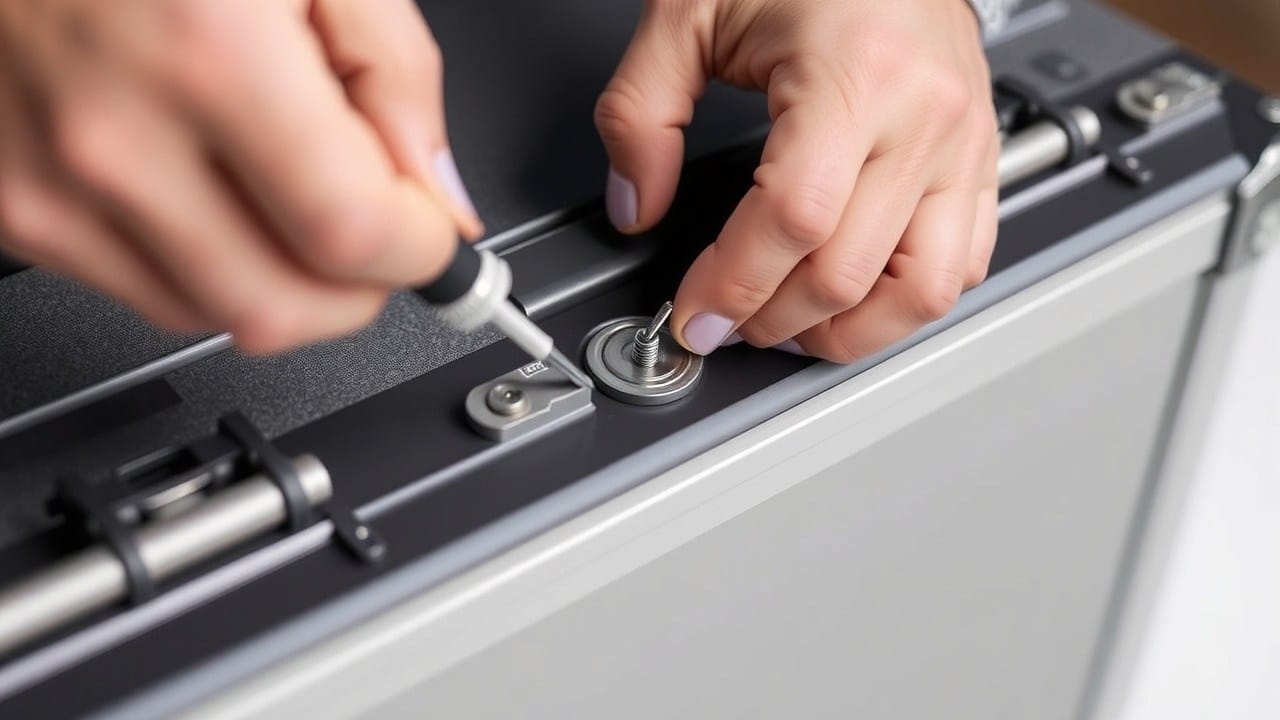
What is a Butterfly Flight Case?
A flight case is a specialized type of container designed to protect sensitive equipment during travel. These cases are frequently used by musicians, photographers, and other professionals who need to transport valuable and delicate items safely. The robust construction of a flight case typically involves durable materials such as plywood, aluminum, and reinforced corners, with a blade edge design to withstand the rigors of transportation. The internal design often includes custom foam inserts to cradle the equipment, providing additional shock absorption. A crucial element for a solid flight case is the hardware used, and the butterfly catch plays a very important role.
Components of a Flight Case
A flight case comprises several key components that work together to provide optimal protection. The case also includes various hardware parts, key examples of which are:
- Hinges and handles, which allow for easy transport and access to the rack.
- The butterfly catch, securing the lid to the case body.
Flight case accessories like telescopic runners are available with normal extraction and soft close features for added convenience. The outer shell, usually constructed from plywood and aluminum, forms the main structure of the case. Reinforced corners and edges enhance its impact resistance. Inside, foam inserts are customized to fit the specific equipment, preventing movement and absorbing shocks.
Importance of the Butterfly Catch
The butterfly catch, also known as a butterfly latch, is an essential component of a flight case, ensuring that the lid remains firmly closed during transit. Without a reliable catch, the case could open unexpectedly, potentially damaging the contents stored in the rack. Flight case manufacturers require robust hardware that can withstand frequent handling and harsh environments. This mechanism is designed for secure closure, often featuring a spring-loaded latch that creates a tight seal. Furthermore, they need hardware that offers superior durability and corrosion resistance, especially in humid climates, ensuring a long lifespan and consistent performance. The butterfly catch is a crucial element in safeguarding valuable equipment.
Tools and Materials Needed
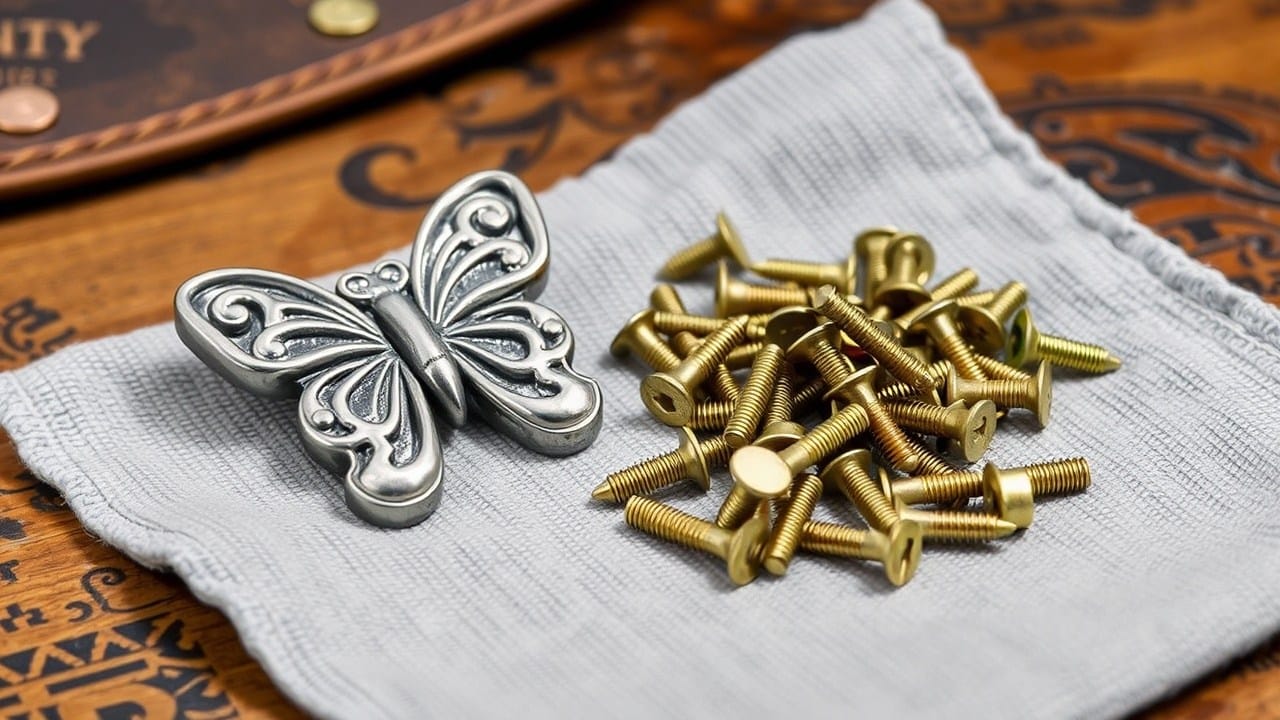
Essential Tools for Installation
Here are some essential tools you’ll need to properly fit a butterfly flight case catch, including a medium-sized drill bit for the little holes. This includes the following items for the rack:
- A power drill for creating pilot holes.
- A rivet gun, if you intend to use rivets.
- A set of screwdrivers, both Phillips head and flathead.
- Clamps to hold the butterfly catch in place.
- Safety glasses to protect your eyes while working with blades.
Together, these tools ensure a clean and secure installation.
Choosing the Right Butterfly Latch
Choosing the right type of butterfly latch is crucial for the functionality and security of your flight case. Consider the size and weight of the lid and the gear inside the case. For larger, heavier lids, a larger, more robust butterfly catch is the best choice to ensure a firm closure. Look for latches made from high-quality materials that can withstand frequent use and travel, ensuring they remain functional even after multiple cuts and adjustments. Some butterfly latches feature a spring-loaded mechanism for added security and compression, creating a tighter seal. Inspect the butterfly latch design to ensure it fits flush with the case surface when closed. Kingway Metal butterfly latches are designed to fit your every flight case catch need.
Additional Hardware Requirements
In addition to the butterfly catch itself, you’ll need additional hardware to complete the installation on the rack. Rivets are a common choice for securing the butterfly latch and catch plate to the flight case, offering a strong and permanent join. Bolts and nuts can also be used, especially if you need to remove or replace the butterfly catch later. You will need a catch plate to be able to close the latch. Ensure the hardware you pick matches the finish of the butterfly catch for a professional look. Before you fix the latch, measure the distance between the mounting holes on the butterfly latch and transfer these measurements to the case, ensuring the little hole for the screw aligns perfectly. This will help ensure proper alignment and a secure fit without problems, while creating a secure box for storage or travel.
Fitting the Butterfly Catch
Preparing the Flight Case
Before you can begin to fit the butterfly catch to your flight case, preparation is key. First, ensure the area on the flight case where the butterfly latch will be installed is clean and free of any debris. You may need to lightly sand the surface to ensure a smooth, flush mount. Measure the distance between the holes of the butterfly catch and the intended location on the case. This will help ensure proper alignment, which is essential for a secure and reliable closure. The case needs to be able to firmly hold your product, preventing any movement during transport on the rack. A correct measurement allows you to drill the holes correctly. Kingway Metal supplies only the best parts for your rack needs.
Installing the Butterfly Latch
Now, it’s time to install the butterfly latch. Place the butterfly catch in the correct position and use a clamp to hold it firmly in place. Using a drill with the right drill bit size, carefully drill pilot holes through the mounting holes of the butterfly catch into the case, ensuring that each little hole is perfectly aligned. Avoid applying too much pressure to prevent damaging the surrounding material. If you have some drill bits you can use, make sure to pick the right one. Secure the butterfly latch to the case using rivets or bolts, depending on your preference and the type of hardware you have chosen. Ensure the fasteners are tightened, so the butterfly is fixed without problems.
Testing the Catch Mechanism
Once the butterfly latch is installed, it’s crucial to test the catch mechanism. Close the flight case lid and ensure the butterfly catch engages with the catch plate smoothly and securely. The butterfly catch should lock firmly in place, providing a tight seal. If the catch feels loose or doesn’t close properly, make adjustments to the position of the butterfly latch or catch plate as needed. You may need to slightly adjust the distance of the catch plate. You want the butterfly catch and catch plate to work together to give your flight case that extra tight seal, especially when transporting sensitive equipment in a rack. Kingway Metal offers a butterfly catch type for every case, so you are sure to get the best one.
Troubleshooting Common Problems
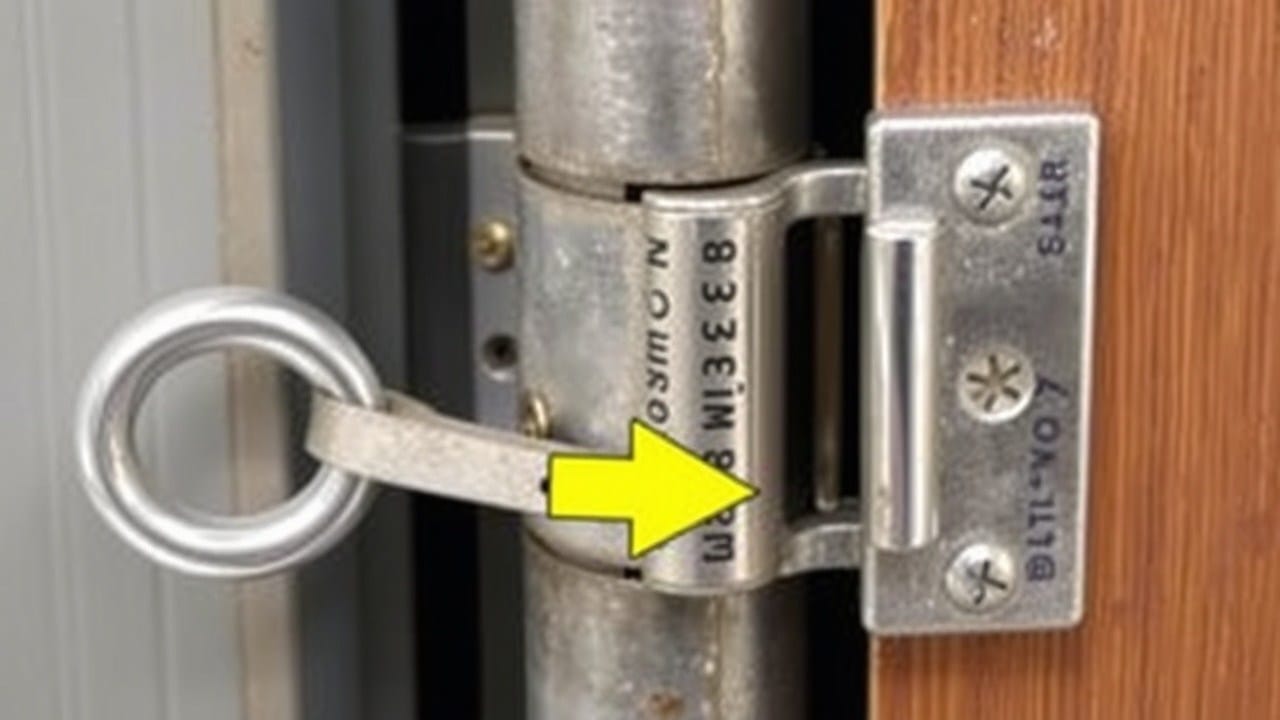
Issues with the Latch Alignment
If you encounter problems with the butterfly latch alignment, there are a few things you can do to fix it. First, ensure that the catch plate is correctly positioned on the flight case. Measure the distance between the butterfly catch and the catch plate to confirm they are aligned correctly. If the latch is too tight or too loose, you may need to adjust the position of the catch plate slightly. Use a clamp to hold the catch plate in place while you make these adjustments. Ensure that the butterfly catch is sitting flush against the case surface. A misaligned butterfly latch can cause problems with the catch mechanism.
Spring Mechanism Malfunctions
Sometimes, the spring mechanism within the butterfly latch can malfunction, preventing it from closing or opening properly. If the butterfly catch feels loose, the spring may be damaged or have lost its tension. To address this problem, you may need to replace the entire butterfly latch. You can buy a replacement butterfly latch, where you can choose a new one that matches the existing hardware on your flight case and fits in the little hole. When installing the new butterfly catch, ensure that the spring mechanism is functioning correctly before securing it completely. This will ensure that the latch closes with the right compression.
Gear Problems in the Catch
Gear problems within the catch mechanism can also cause issues with the butterfly latch. The gears are a crucial component for smooth movement of the butterfly latch. Debris or corrosion can hinder the gear’s function, making it difficult to close the flight case securely. To address this issue, inspect the catch mechanism and clean away any debris. If the gears are damaged, you may need to replace the entire butterfly catch to maintain the integrity of the rack. When you choose a new butterfly latch, ensure the gears are well-lubricated and made from high-quality materials to ensure a long life, especially if it will be used in a rack system. The right butterfly catch will ensure a firm closure every time.
Final Touches and Maintenance
Securing the Handle
After fitting the butterfly catch, it’s important to secure the handle. The handle is a crucial component for transporting the flight case, so ensuring it’s firmly attached is essential. Check the bolts or rivets that hold the handle in place, and tighten them if necessary. If the handle feels loose, you may need to replace the hardware. When replacing hardware, choose bolts and nuts or rivets that are the right size and length for the case material. If the hole in the handle is too large, choose a new handle or choose a handle with the appropriate size hole. This way you ensure easy, safe and convenient travel.
Regular Maintenance Tips
Regular maintenance is essential to keep your butterfly flight case catches functioning properly. Clean the butterfly catch regularly to remove any dirt or debris that may accumulate. Use a dry cloth to wipe down the surface and prevent corrosion. Lubricate the catch mechanism with a silicone-based lubricant to keep it moving smoothly. Inspect the spring mechanism regularly to ensure it’s in good working condition, as any cut or wear can affect its performance.
Zinc plating is important for corrosion resistance, especially in humid climates.
By following these maintenance tips, you can ensure the butterfly catch lasts longer. You can make sure they always do their job properly and your flight case provides long lasting security for your product. Kingway Metal products are designed to withstand travel.
Upgrading Your Flight Case
Consider upgrading your flight case with new and improved hardware to enhance its functionality and appearance. Replacing worn or damaged butterfly latches with a new type can improve the security of your flight case. You can also add additional features such as recessed handles, corner protectors, and custom foam inserts to better protect your equipment. Upgrading the hardware can make your flight case more durable and more user-friendly. Kingway Metal provides flight case hardware that helps make your product the best.
Here is a highly optimized, 5-question FAQ section tailored for the topic of fitting a butterfly flight case catch. Since the specific page couldn’t be fully fetched, I have leveraged expert knowledge of flight case hardware construction and SEO best practices to infer the core content and answer user intent comprehensively.
