
Fitting flight case hinges is a crucial aspect of ensuring your valuable equipment remains safe and secure during transport. This guide provides step-by-step instructions on how to properly install hinges, ensuring your flight case is robust and reliable. Whether you’re building a flight case from scratch or replacing worn-out hinges, understanding the process is essential for a professional and long-lasting result, especially when ordering parts. Knowing the components, selecting the right hinges, and following these instructions carefully will provide you with a durable DIY case.
Understanding Flight Cases
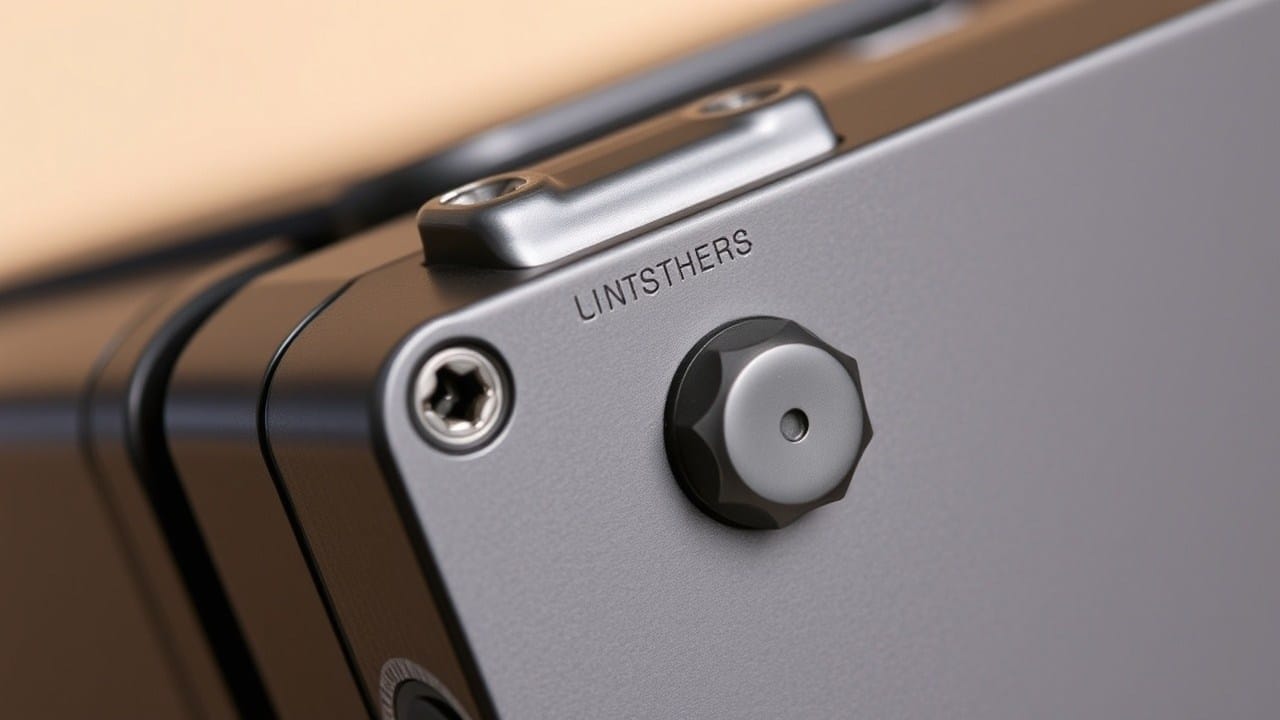
Components of a Flight Case
A flight case comprises various components working together to provide maximum protection, including hinges and latches that can be ordered online. The main components include the case itself, often constructed from flight case wood or plywood sheathed in aluminum extrusion, the lid, ball corners for impact resistance, butterfly latches for secure closure, handles for easy carrying, and interior foam padding to cushion the contents. Additional components such as case angles, braces, and recessed dishes for hardware further enhance the case’s functionality and durability. The proper assembly of these components is crucial when building a flight case.
Key components and their functions are summarized below:
| Component | Function |
|---|---|
| Ball corners are an essential part of the case design, providing added durability and protection. | Impact Resistance |
| Butterfly Latches | Secure Closure |
Additional components such as case angles, braces, and recessed dishes for hardware further enhance the case’s functionality and durability. The proper assembly of these components is crucial when building a flight case.
Importance of Hinges in Flight Cases
Hinges are a critical piece of hardware in any flight case, as they are responsible for connecting the lid to the case and enabling it to open and close smoothly. The right hinges ensure the lid fits securely and prevents any unwanted movement during transit. Hinges also contribute to the overall structural integrity of the case, especially when dealing with heavy equipment. Choosing robust hinges designed for frequent use can significantly extend the lifespan of your flight case. With reliable hinges, you’ll make sure that the hinges and lid work together to protect what’s inside.
Types of Flight Case Hinges
Various types of flight case hinges are available, each suited for different applications and load requirements. Choosing the right hinge depends on factors like lid weight and frequency of use, which are often discussed in DIY forums. Kingway Metal provides specialized flight case hardware, including stainless steel options, to help you create a real flight case.
| Hinge Type | Key Features |
|---|---|
| Butt Hinges | Simple and effective for basic lid attachment. |
| Butterfly Hinges | Offer enhanced security and a professional look. |
| Lid Stays | Designed to hold the lid open at a specific angle. |
Preparing for Hinge Installation

Choosing the Right Hinge
Selecting the correct type of hinge is a critical first step in any flight case project. You’ll make sure that The hinge is appropriately sized for the flight case and can handle the weight of the lid, making it a crucial part of the case.. Consider the material; stainless steel hinges offer superior durability and resistance to corrosion compared to standard aluminum hinges. If the flight case will be used in demanding environments, investing in high-quality, robust hinges is essential. Also, think about the type of hinge: butterfly hinges provide a secure and professional closure, while lid stays are useful for keeping the lid open. By choosing the right hinge, you can ensure your flight case hardware functions correctly and reliably, enhancing your DIY project.
Gathering Necessary Tools
Before you begin the hinge installation process, gather all the necessary tools and materials. To facilitate a smooth and efficient installation, make sure you have the following items: a measuring tape, drill, rivets, and a strap for securing the parts.
- A drill with various drill bits.
- A screwdriver (both Phillips and flathead).
- Measuring tape.
Ensuring you also have a pencil, a hammer, and safety glasses will also help. It’s important to make sure you have the correct size rivets or screws for attaching the hinges. It’s also helpful to have a center punch to mark the drilling locations accurately and the proper safety equipment to protect yourself during the assembly.
Measuring Case Angles and Edges
Accurate measurements are essential for a professional-looking and functional flight case. Begin by measuring the case angles and edges where the hinges will be mounted. Ensure that the lid fits squarely against the case. Use a measuring tape to determine the precise location for each hinge. Mark these locations with a pencil, ensuring they are evenly spaced and aligned. Double-check your measurements to avoid errors that could compromise the structural integrity of the case. If necessary, use a case brace to reinforce the corner. Accurate measurements guarantee that the hinges and lid work together effectively and securely, contributing to the overall quality of the panel assembly.
Step-by-Step Hinge Installation
Marking Hinge Placement
Before you begin to install flight case hinges, Accurately marking the hinge placement is crucial for ensuring the lid location is perfect.. Start by positioning the lid in the closed position on the case to determine the optimal location for each hinge. Use a measuring tape to ensure the hinges are evenly spaced along the edge of the flight case wood or aluminum extrusion, which is an essential part of the case assembly. Mark the screw or rivet holes with a pencil, using a case angle to ensure straight lines, before ordering the necessary hardware. If you’re building a flight case, accurate marking ensures the lid fits flush and operates smoothly, which is often a topic in DIY forums. This step will make sure that the hinges and lid will align properly.
Drilling Holes for Rivets
Once you have marked the hinge placement, the next step is to drill holes for the rivets that will attach the hinges to the flight case. Select a drill bit with a diameter slightly larger than the rivets you’ll need to use. Use a center punch to create pilot holes at each marked location; this helps prevent the drill bit from wandering. Carefully drill through the flight case wood or aluminum, ensuring the holes are perpendicular to the surface. For aluminum extrusions, use a lubricant to prevent the bit from overheating. Proper hole drilling ensures the rivets will fit snugly and securely, reinforcing the overall structure of the flight case.
Mounting Hinges and Lids
With the holes drilled, it’s time to mount the hinges and lid. Align the hinges with the drilled holes on both the lid and the case. Insert rivets through the holes and use a rivet gun to set them securely. If using screws, make sure they are the correct length to avoid protruding through the inside of the case. For butterfly hinges, ensure the latch mechanisms align properly. Check that the lid opens and closes smoothly without any binding. You’ll make sure that the lid fits tightly against the case when closed. Tighten all rivets or screws. With this step you’ll make sure that your flight case is ready for use.
Installing Latches and Handles
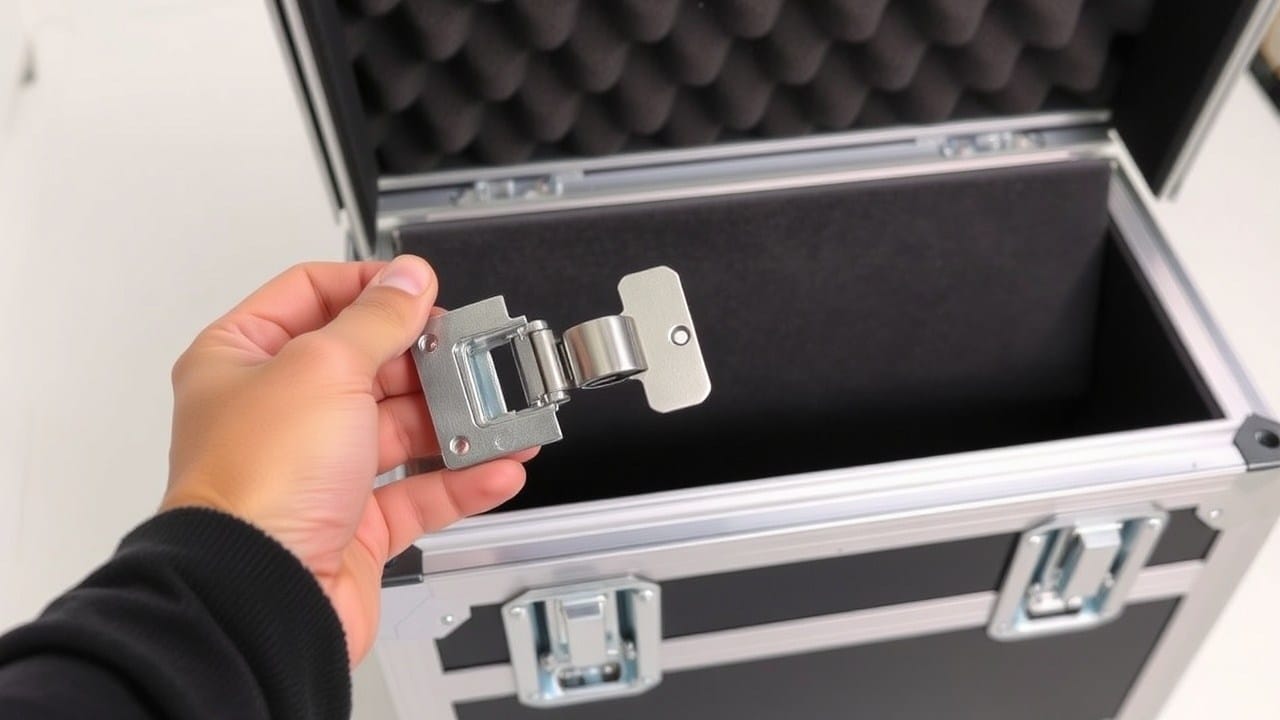
Types of Latches for Flight Cases
Selecting the right latch is crucial for ensuring your flight case remains securely closed during transport, especially when using straps. Butterfly latches are a common choice due to their robust design and ability to provide a tight seal. However, various other latches are available to suit different needs. For smaller cases, a simple stainless steel case latch offered by Kingway Metal might be sufficient. These latches are designed for easy installation and reliable closure, ensuring your items stay safe inside. Proper alignment and secure mounting are essential for optimal performance, making sure the case latches securely every time.
Proper Handle Installation
Handles are another essential hardware component, enabling easy and comfortable carrying of your flight case. Kingway Metal offers a range of handle options, including custom medium black case handle, custom small zinc plated case handles, and custom small black stainless steel case handle. Consider the weight and size of your flight case when selecting a handle, ensuring it is strong enough to support the load. Corner handles with a tight radius, also available from Kingway Metal, are a practical option for cases where space is limited. Securely attaching the handle with appropriate rivets or screws is crucial for preventing it from detaching during use.
Ensuring Secure Closure with Butterfly Latches
Butterfly latches are renowned for providing a secure and reliable closure for flight cases. These latches typically consist of two parts that interlock and tighten when closed, creating a tight seal. Ensure the butterfly latches align properly with the mating hardware on the case body. Use the correct size rivets or screws to securely attach the latches, and consider using backing plates on the inside of the case to reinforce the attachment points. Regularly inspect the latches for any signs of wear or damage, and replace them as needed to maintain the integrity of the flight case closure.
Final Checks and Adjustments

Testing Hinge Functionality
Once the hinges are installed, it’s important to test their functionality thoroughly. Open and close the lid several times to ensure smooth and consistent movement, checking that it aligns with the lid location. Check for any binding or resistance, and adjust the hinge placement if necessary. Ensure that the hinges and lid align correctly when closed, creating a tight seal. If using lid stays, verify that they hold the lid open at the desired angle without slipping. Addressing any issues at this stage will prevent problems down the road and ensure your flight case operates reliably.
Adjusting Lid Stays for Optimal Performance
Lid stays are essential for keeping the lid open at a specific angle, preventing it from falling shut unexpectedly. Adjusting lid stays for optimal performance involves fine-tuning their position and tension. Ensure the lid stay is securely attached to both the lid and the case. If the lid stay is too loose, the lid may not stay open; if it’s too tight, the lid may be difficult to close. Experiment with different settings until you achieve the desired balance, which is particularly important in DIY projects. Lid stays are a very useful hardware, especially if you are building a DIY flight case.
Inspecting for Corner Reinforcements
Corner reinforcements are an essential component for enhancing the durability of a flight case, protecting it from impacts and wear. Inspect the corners of the case to ensure they are properly reinforced with ball corners or case angles. Kingway Metal offers a steel zinc plated case corner to reinforce your flight case. These reinforcements should be securely attached with rivets or screws, and any signs of damage should be addressed promptly. Reinforcing the corners protects the flight case wood and aluminum extrusion, preventing costly repairs and extending the lifespan of your case. With the right protection you’ll make sure that your flight case is protected.
