
Embarking on a DIY project to install a cable dish in a flight case directly opens up a world of mobile entertainment and connectivity for hours of enjoyment. Whether you’re setting up a mobile business command center or want to watch your favorite shows on the go, this guide will provide you with the essential steps to connect your cable dish safely and efficiently. Understanding the components, making the right choices, and following the correct installation procedures are crucial for a successful setup.
Understanding the Cable Dish
Types of Cable Dishes
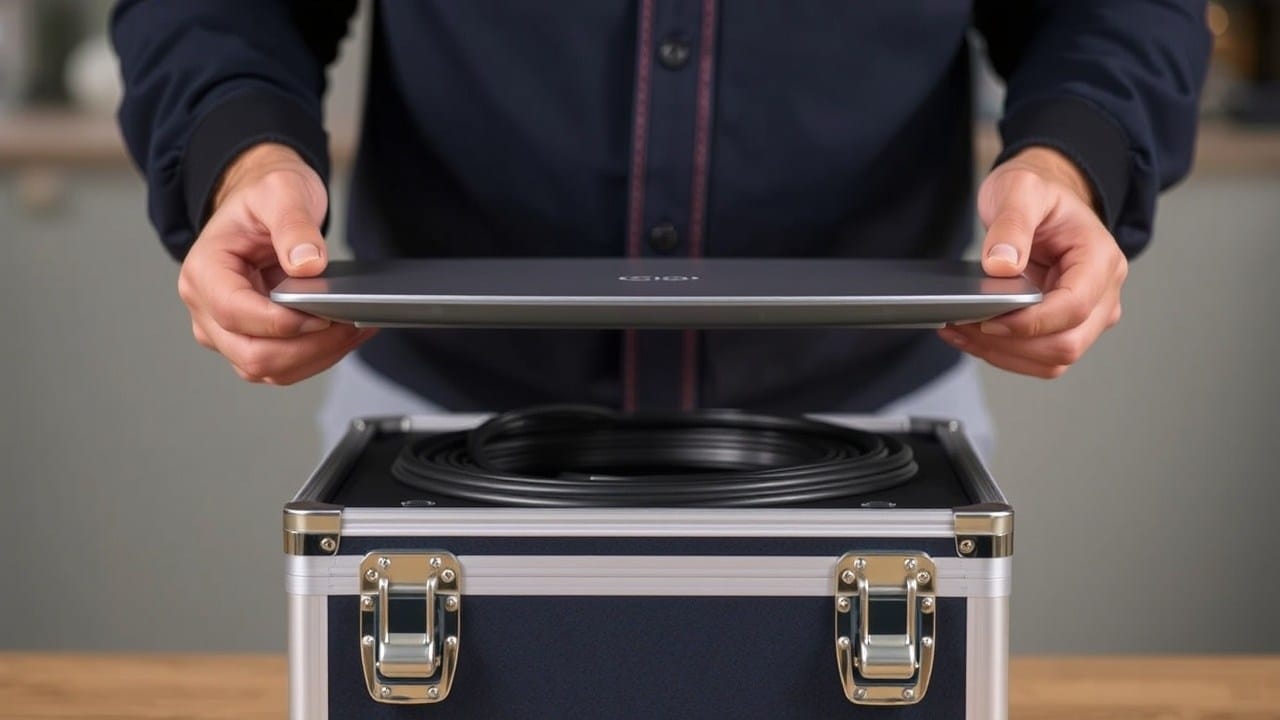
Cable dishes, often used interchangeably with satellite dishes, come in various forms to suit different needs and locations. The choice of dish depends largely on the available satellite service in your local area and the size of the flight case you intend to use. Some are designed for stationary installations, while others are specifically built for mobile use, making them ideal for integration into a flight case. Understanding the different types is the first step in ensuring a successful installation, allowing you to directly apply the right techniques. Each type of dish may require a different method to install and connect, depending on the receiver, so gather information specific to your model.
Choosing the Right Dish for Your Needs
Selecting the right cable dish is crucial for optimal performance. Consider factors like the strength of the satellite signal in your area, the size and weight limitations of your flight case, and the dish programming package offered by your service provider. A larger dish generally provides a stronger signal, but it may not be practical for mobile applications due to its size. Ensure the dish is compatible with your receiver and TV, and that you have all the necessary coaxial cable to connect the components. Making the right choice will save you time and effort in the long run, allowing you to enjoy your setup for hours.
Components of a Cable Dish
A standard cable dish setup typically includes several key components. The dish itself, which focuses the satellite signal onto the Low-Noise Block downconverter (LNB), is essential. The LNB then relays the signal through a coaxial cable to your receiver. The receiver decodes the signal and sends it to your TV, allowing you to watch your favorite channels for hours. You’ll also need a power source to run the receiver and LNB, ensuring you have the necessary information on voltage requirements. Understanding each component’s function is vital for a smooth installation process and ensuring that you can troubleshoot any issues that may arise during use.
Preparation for Installation
Gathering Tools and Materials
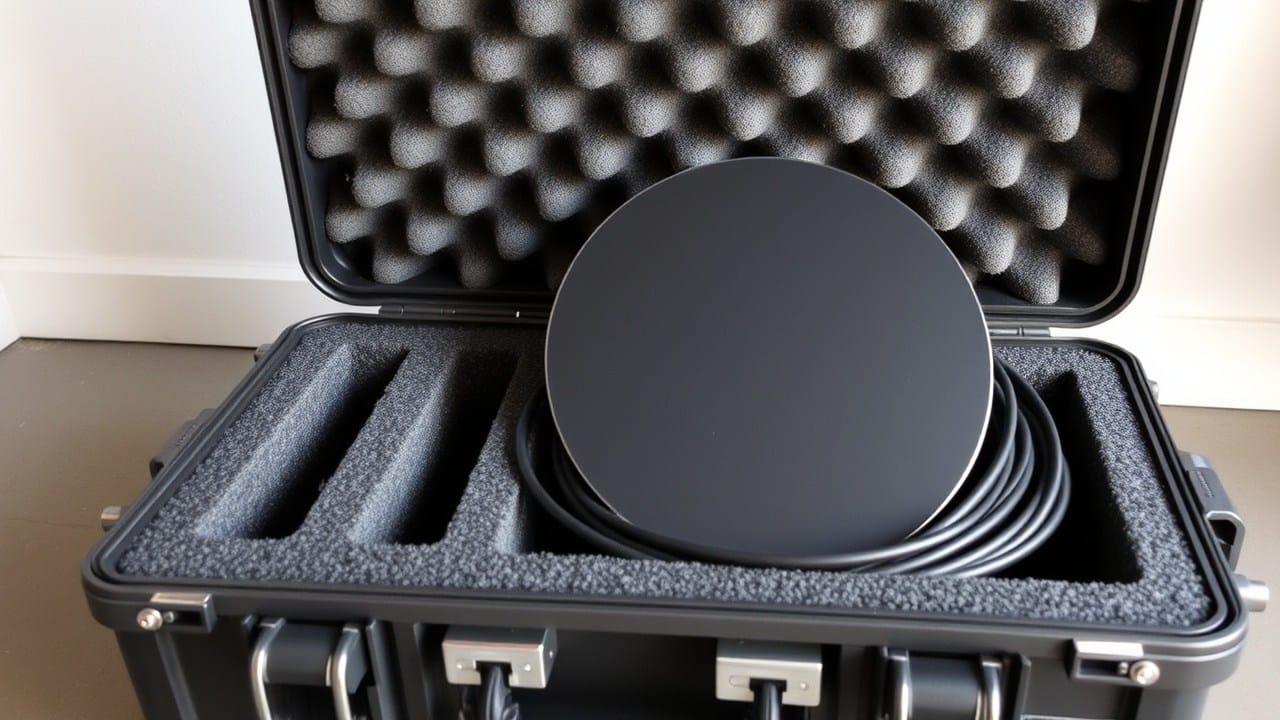
Before you begin the dish installation process, gathering all the necessary tools and materials is a crucial step to ensure a smooth and efficient operation. You’ll need items such as a drill, screwdrivers, wrenches, and measuring tape. Don’t forget safety glasses and gloves for personal protection during the DIY process. You will also need the appropriate connectors and coaxial cable to connect the dish to the receiver and eventually to your TV. For the flight case hardware, consider durable options like carbon steel or stainless steel (304, 316L/V4A) with black E-coating surface, provided by Kingway Metal, ensuring your setup is both secure and reliable.
Choosing the Right Flight Case
The choice of flight case is paramount, as it will house and protect your cable dish setup, especially if you are planning for mobile use. Select a case that is adequately sized to accommodate the dish, receiver, and all necessary accessories safely. Ensure the case is robust enough to withstand the rigors of transportation and use, providing ample protection against impacts and environmental factors. The flight case should also offer enough space for proper ventilation to prevent overheating of the electronic components. Measure the dish dimensions carefully to guarantee a perfect fit and allow for easy access to connect and disconnect the cable dish and other devices.
Planning the Layout for Installation
Proper planning of the layout inside the flight case is crucial for a successful dish installation and can directly impact performance. Consider where each component—the cable dish, receiver, power supply, and any other accessories—will be positioned to maximize space and accessibility. Ensure that there is enough room for cable management to keep everything organized and prevent damage to the coaxial cable and other connections. Plan how you will directly secure the dish to the case to prevent movement during transportation. Proper layout planning will not only make the installation process easier but also ensure the longevity and reliability of your mobile entertainment setup. If you use a satellite network for business, consider the components’ installation and the time each step takes.
Step-by-Step Installation Process
Mounting the Dish
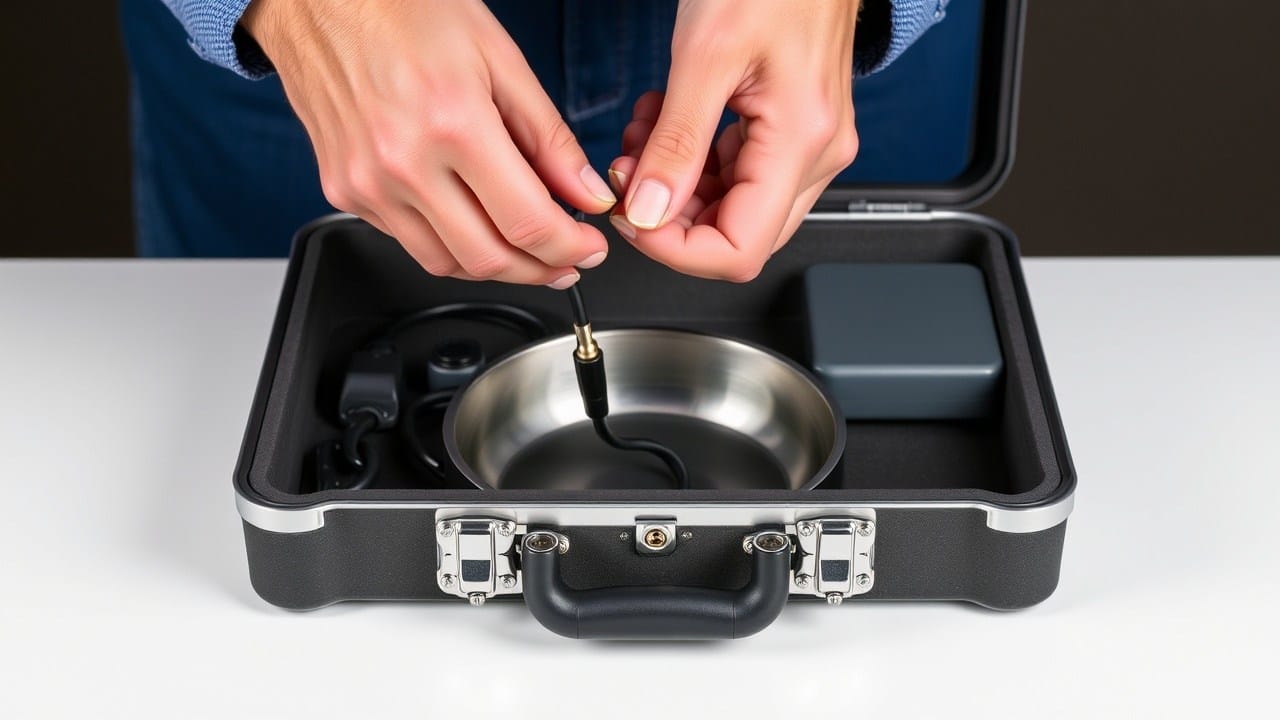
The first crucial step in your DIY cable dish installation is securely mounting the dish within the flight case. Begin by identifying the optimal location that allows for a clear line of sight when the case is open. Use appropriate brackets or mounting hardware to affix the dish to the interior of the flight case. For enhanced durability, consider using steel zinc-plated case corners from Kingway Metal, which directly contribute to the overall strength of your setup. These case corners offer superior strength and corrosion resistance, ensuring your cable dish stays put even during mobile use. Remember to position the dish in a way that minimizes vibrations and potential damage during transport. Be sure to choose the components that fit best in the flight case.
Connecting Cables and Network Setup
Once the dish is securely mounted, the next step involves connecting the necessary cables and setting up your network. Run a high-quality coaxial cable from the Low-Noise Block downconverter (LNB) on the dish to your satellite receiver. Ensure that all cable connections are tight and properly insulated to prevent signal loss or interference, and gather information on best practices. Connect the receiver to your TV using an HDMI cable or other appropriate video output, ensuring you have the right information on compatibility. You may also need to connect the receiver to a power source. If your cable dish or receiver requires an internet connection for certain features, set up a wired or wireless network connection. For added functionality, consider using flight case accessories like telescopic runners with normal extraction or soft close from Kingway Metal to manage cables and access components easily.
Testing the Installation
After all the connections are made, it’s time to test your installation. Power on your receiver and TV and navigate to the receiver’s setup menu. Follow the on-screen instructions to scan for available satellite signals. Once the signal is acquired, browse through the available channels to ensure that everything is working correctly. Check the picture quality and audio to ensure optimal performance and gather information on adjustments if needed. If you encounter any issues, double-check all cable connections and consult your receiver’s manual for troubleshooting tips. It is important to perform the installation steps safely and methodically to ensure a reliable mobile TV and network setup, no matter your location. By following these installation instructions, you can safely enjoy watching the dish programming package while on the move for hours.
Optimizing Service and Performance
Tuning the Dish for Best Signal
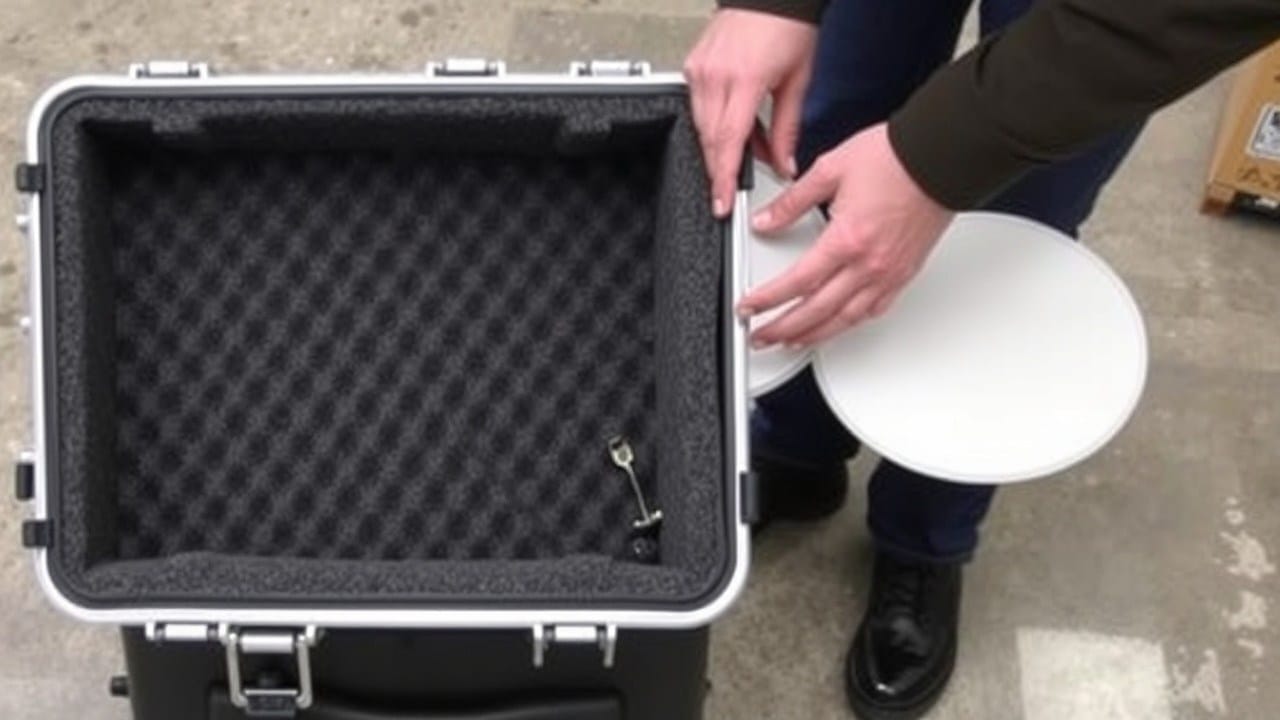
Achieving optimal performance from your cable dish installation requires careful tuning to maximize the satellite signal. Start by ensuring the dish is precisely aligned according to the satellite’s coordinates for your local area. Fine-tune the dish’s elevation and azimuth until you achieve the strongest possible signal strength on your receiver. A small adjustment can make a significant difference. You can use a satellite signal meter for more accurate adjustments. Ensure that there are no obstructions, such as trees or buildings, directly blocking the line of sight. Regularly check and readjust the dish as needed, especially if you relocate or move the flight case frequently. The effort invested in precise tuning will ensure the best possible viewing experience with your dish.
Common Installation Issues and Solutions
During the DIY installation process, you might encounter some common issues. One frequent problem is a weak or nonexistent signal, which often stems from a misaligned dish or faulty coaxial cable connections. Double-check all cable connections and ensure the dish is properly aligned. Also, check to make sure you are choosing a high-quality coaxial cable for connecting. Another issue can be power supply problems, so ensure that the receiver and LNB are receiving adequate power for at least an hour. If you experience interference or signal degradation, inspect the coaxial cable for damage or kinks. Ensuring you do a satellite compatibility check can help to eliminate problems with connection to the network or receiver, providing essential information for troubleshooting. By troubleshooting these potential issues directly, you can efficiently resolve problems and enjoy uninterrupted service.
Maintaining Your Cable Dish
Proper maintenance is essential to ensure the longevity and reliability of your cable dish installation, so gather the right information on upkeep. Regularly inspect the dish and its components for any signs of wear or damage. Check the coaxial cable for cracks or fraying and replace it as needed. Kingway Metal highlights the importance of zinc plating for corrosion resistance, especially in humid climates, providing vital information for maintenance. Keep the dish surface clean to prevent signal degradation from dirt or debris, and check for any information on cleaning best practices every hour. Periodically check the mounting hardware to ensure everything is secure and prevent any shifts in alignment. Also, ensure the flight case is properly sealed to protect the dish and receiver from the elements. By following these maintenance tips, you can keep your mobile entertainment system running smoothly for years to come. Regularly performing maintenance is an important installation step that can provide information on potential issues.
Conclusion and Final Thoughts
Recap of the Installation Process
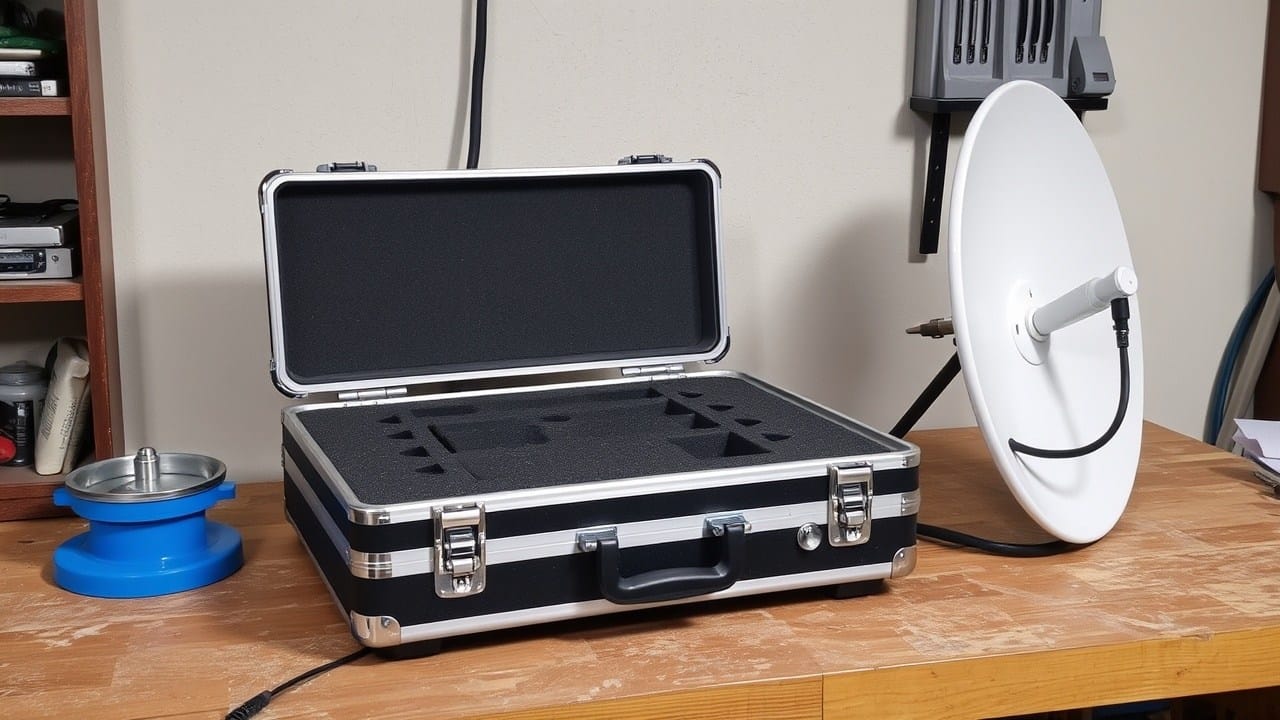
In summary, installing a cable dish in a flight case involves careful preparation, step-by-step execution, and diligent testing based on the information available. Start by selecting the right dish and flight case for your needs, gathering the necessary tools and materials, and planning the layout. Then, mount the dish securely, connect the cables, and set up the network. Test the installation thoroughly to ensure optimal performance. Proper tuning and maintenance are essential for long-term reliability. Whether for business or personal use, this DIY guide provides you with the knowledge to create a mobile entertainment and network solution. Remember to take the time to choose the best products to help with the installation.
Future Upgrades and Considerations
As technology advances, consider future upgrades to enhance your mobile cable dish setup. Newer receivers may offer improved features, such as 4K resolution or enhanced network capabilities. Upgrading your dish can provide better signal strength and coverage, especially in remote areas. Also, consider adding accessories like signal amplifiers or surge protectors to improve performance and directly protect your equipment. Think about upgrading the flight case hardware as well to provide better protection for the components it holds. Kingway Metal emphasizes customization and offers a wide range of standardized options. By staying informed about the latest innovations, you can keep your mobile entertainment system up-to-date and optimized for the best possible experience.
Additional Resources and Support
For further assistance with your cable dish installation, numerous resources are available. Online forums and communities can provide valuable tips and troubleshooting advice directly from fellow DIY enthusiasts. Consult your receiver’s manual for detailed instructions and technical specifications. Your cable service provider may also offer support resources, such as FAQs or online tutorials. Additionally, consider reaching out to professional installers for expert assistance if you encounter significant challenges. By leveraging this additional information, you can ensure a successful and hassle-free mobile TV and network setup directly tailored to your needs. Making the choice to use a cable dish provides you with many options, and with the proper resources, you can safely complete the installation.
