
Welcome to our comprehensive guide on installing flight case corners! If you’re looking to protect your valuable equipment during transport, building your own flight case is a fantastic DIY project. Kingway Metal, a leading one-stop case hardware manufacturer, is here to guide you through every step. In this article, we will provide clear instructions and tips on fixing your flightcase effectively. how to install flight case corners, ensuring your custom flight case is both durable and professional. Whether you’re a seasoned woodworker or a DIY enthusiast, this guide will help you create a reliable flight case that stands up to the rigors of the road.
Understanding Flight Cases
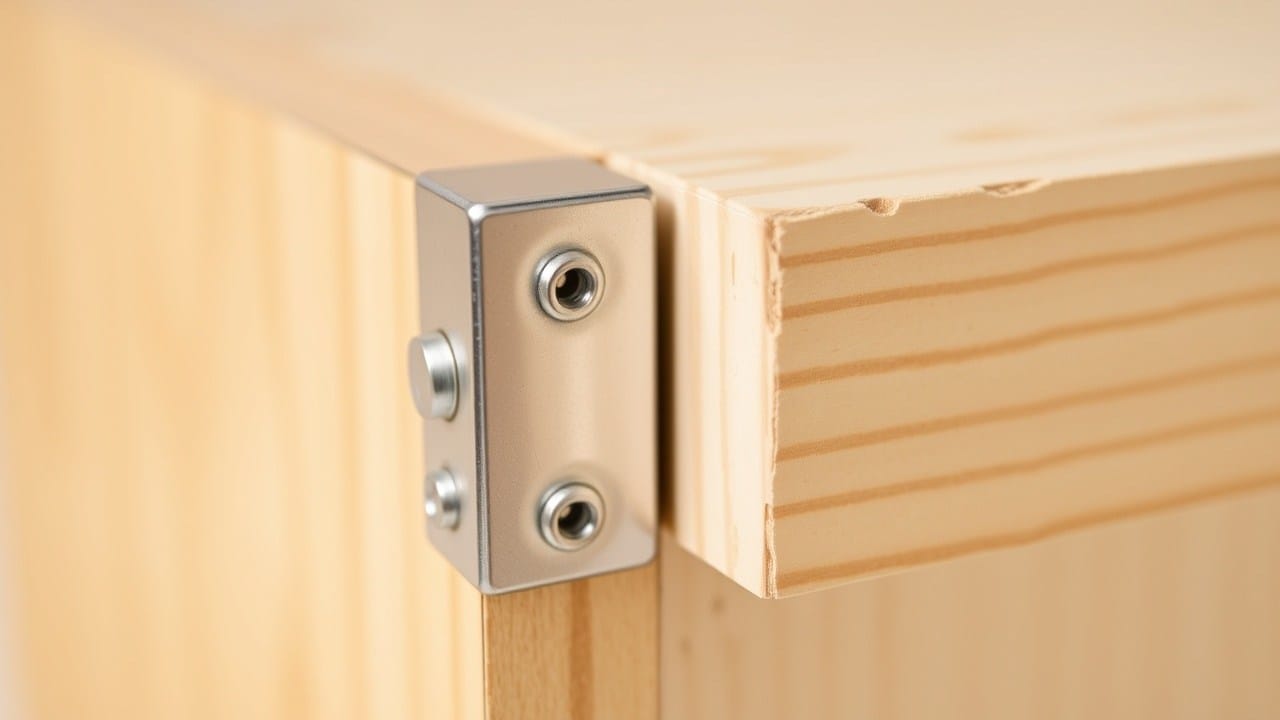
Flight cases are indispensable for anyone needing to safely transport sensitive equipment, especially speakers. These robust containers are designed to protect items from knocks, drops, and the general wear and tear associated with travel. At Kingway Metal, we understand the importance of a well-constructed flight case, and proper corner installation is crucial to its integrity. Whether you’re transporting musical instruments, audio equipment, or delicate electronics, a durable flight case provides peace of mind, ensuring your gear arrives safely at its destination. The right hardware, including sturdy corners, is essential for a reliable build.
What is a Flight Case?
A flight case, often called a road case, is a specialized type of container designed to protect equipment during transport. These cases are typically constructed from plywood, reinforced with aluminum extrusion, and fitted with robust hardware like case corners, latches, and handles. The interior is often lined with foam padding to further protect the contents. A well-made flight case ensures that your valuable items are shielded from physical damage, moisture, and dust. Kingway Metal provides all the necessary hardware to build a flight case that is both functional and durable, perfect for professionals who require reliable protection for their gear.
Benefits of Using Flight Cases
Using flight cases offers numerous benefits, especially for those in the music, entertainment, and technology industries. The primary advantage is the ability to customize your flightcase using different materials and finishes, including paint. superior protection they offer compared to standard cases. Flight cases safeguard equipment from impacts, vibrations, and environmental factors, reducing the risk of damage during transport. Additionally, they provide a professional appearance, enhancing your credibility. DIY flight cases allow for customization to fit specific equipment dimensions, maximizing space and security. With Kingway Metal’s high-quality hardware, building your own flightcase is a cost-effective way to ensure your equipment is always safe and ready for use, even when painted for aesthetics.
Common Uses for Flight Cases
Flight cases are used across a wide range of industries due to their durability and protective qualities. Musicians use them to transport instruments, amplifiers, and audio equipment. The entertainment industry relies on flight cases for lighting, sound systems, and stage equipment. In the technology sector, they are used to transport servers, computers, and sensitive electronic devices. Flight cases are also popular for transporting valuable items, such as camera equipment and tools. At Kingway Metal, we provide the hardware needed to create flightcases for any application, ensuring your equipment is protected, no matter where you take it, even when mounted on one side. Build one today!
Types of Flight Case Corners
Ball Corners vs. Standard Corners
When you are planning to build a flight case, selecting the right type of case corner is crucial for ensuring maximum protection and durability. There are several options to consider, including:
- Ball corners, also known as radius corners, feature a rounded design that helps deflect impacts and distribute force more evenly across the case edge. This can be particularly beneficial for equipment that is frequently transported and subject to rough handling, such as professional audio speakers.
- Standard corners typically have a more angular or square profile, which can be fixed in place using rivets. The choice between them often depends on the specific application and aesthetic preferences.
Choosing the Right Corner for Your Case
Selecting the appropriate case corner involves several considerations. First, think about the level of protection required. If your equipment is particularly sensitive or valuable, ball corners might be the better choice due to their enhanced impact resistance. Secondly, consider the overall design and appearance of your flight case. Standard corners often provide a more streamlined look, while ball corners can add a rugged, industrial aesthetic. Ensure that the case corner dimensions are compatible with the thickness of your plywood or other material used to make the case. Kingway Metal offers a variety of corners to meet diverse needs.
Case Angles and Their Importance
Case angles are vital components in the construction of a robust flightcase, ensuring durability on one side. These angles, often made of aluminum extrusion, reinforce the edges and corners of the case, providing additional structural integrity. The case angle not only protects the case from knocks and impacts but also helps to maintain its shape and alignment over time, ensuring that one side remains intact. When you install these, make sure to measure carefully and use the correct screws or rivets to secure them to the plywood or other material. Proper installation of case angles ensures that your flight case can withstand the rigors of transport and protect your valuable equipment effectively. Consider using aluminum profiles for the best results.
Tools and Materials Needed for Installation
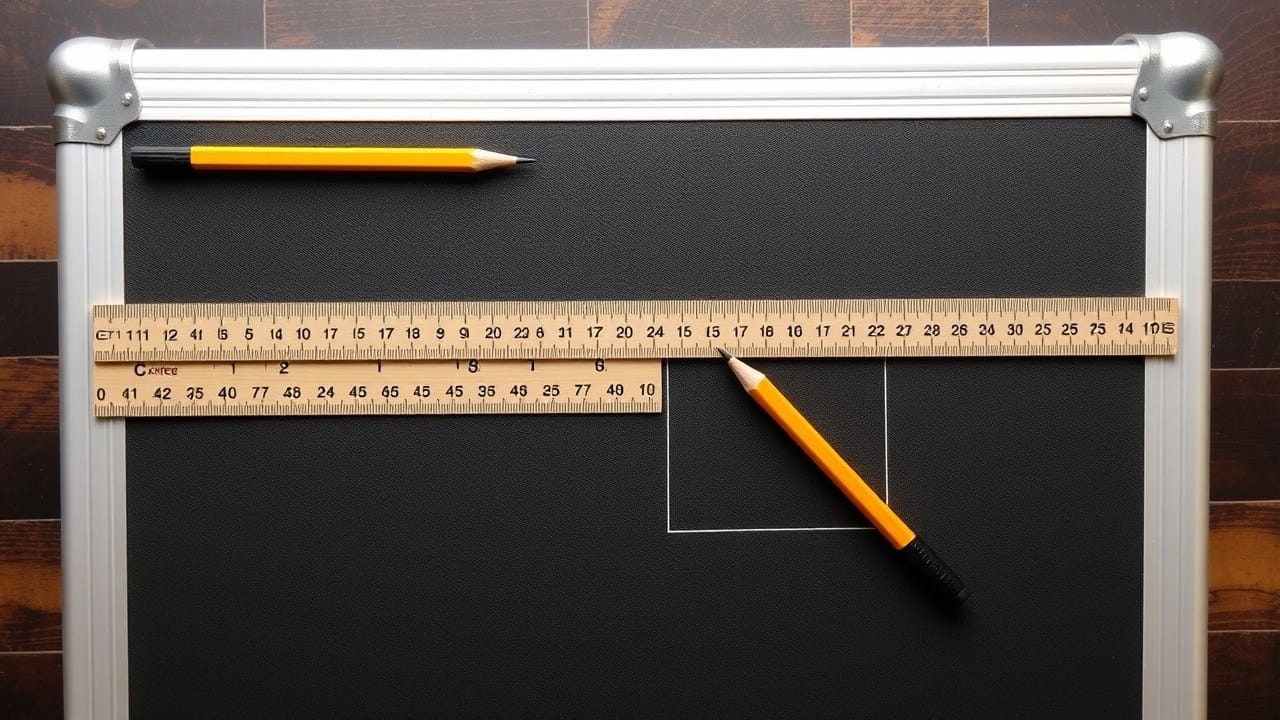
Essential Tools for DIY Flight Case Assembly
Embarking on a DIY flight case project requires the right tools to ensure a professional and durable outcome. Here are some essential tools you’ll need:
- A drill, which is needed to drill holes for using rivets and screws in the assembly process.
- A riveter to secure the hardware firmly.
- A table saw, invaluable for accurately cutting the plywood or other case material to the correct dimensions, ensures a snug fit for all the components, especially when mounting hardware.
You’ll also need measuring tools, such as a tape measure and a square, to ensure precise cuts and alignments, as well as a rubber hammer for fixing components.
Choosing the Right Hardware: Hinges, Latches, and Handles
Selecting the right hardware is paramount for a functional and long-lasting flight case. There are several key components to consider:
- Hinges should be robust enough to support the lid and mount securely to the frame.
- Latches need to securely close and protect the contents inside, providing additional safety for your flightcase.
- Handles should be comfortable and durable, capable of withstanding the weight of the case when transporting it.
Kingway Metal offers one-stop solutions for case hardware, providing a variety of hinges, latches, and handles made from stainless steel or carbon steel with zinc plating for corrosion resistance. Consider custom options for handles to best suit your needs.
Foam Inserts: Adding Protection to Your Flight Case
Foam inserts play a crucial role in safeguarding the contents of your flight case. These inserts cushion equipment, preventing damage from impacts and vibrations during transport, particularly for sensitive items like speakers. Selecting the right type of foam—whether it’s closed-cell, open-cell, or custom-cut foam padding—is essential. Measure your equipment carefully to ensure a snug fit within the case, particularly when using glue to secure the components. Adhesive spray can be used to secure the foam to the inside of the case, preventing it from shifting during transit. Adding foam padding is a worthwhile step in ensuring your gear arrives safely and helping your case to be designed to protect the materials inside.
Step-by-Step Guide to Installing Flight Case Corners
Preparing Your Flight Case
Before you install any flight case corners, meticulous preparation is key. Begin by ensuring that all components are aligned properly on one side before securing them. all your plywood panels are accurately cut to the required dimensions. A table saw is ideal for achieving straight, precise cuts. Once the plywood is cut, smooth down any rough edges with sandpaper to ensure a flush fit. Next, pre-assemble the case without the corners to check for any alignment issues. This dry run will help you identify and correct any problems before you permanently attach the corners. Clean the surfaces where the corners will be installed to ensure proper adhesion. A well-prepared case makes the corner installation process significantly smoother and more efficient, especially when using rivets to fix the corners. This step-by-step way helps you to make the case more durable.
Measuring and Marking Case Angles
Accurate measuring and marking are crucial steps in the flight case corner installation process. Start by precisely measuring the dimensions of each corner and case angle of your plywood panel. Use a measuring tape and a square to ensure accuracy. Mark the locations where the corners will be installed, paying close attention to alignment with the case edges. If using ball corners, ensure they are centered on the corner to provide balanced protection for the sides of the case. For case angles, mark the positions for screw or rivet holes to ensure a secure mount. Accurate measurements and markings prevent misalignment and ensure a professional finish. This process helps to make the case strong to transport items safely. Secure your equipment in a customized flight case.
Attaching Ball Corners and Braces
With your measurements and markings in place, you can now attach the ball corner and case angle to your flight case. Begin by positioning the case corner at the marked location on the edge of the flight case. Using a drill, pre-drill holes for the screws or rivets to prevent the wood from splitting. Apply a small amount of adhesive to the back of the flight case corner for added security. Align the case angle and use the same process to drill holes and insert screws or rivets. Ensure that all screws or rivets are tightened firmly, but be careful not to overtighten and damage the plywood. This helps hold it together. Installing a brace provides extra support and strength to the flight case.
Tips and Recommendations for a Successful Build
Common Mistakes to Avoid
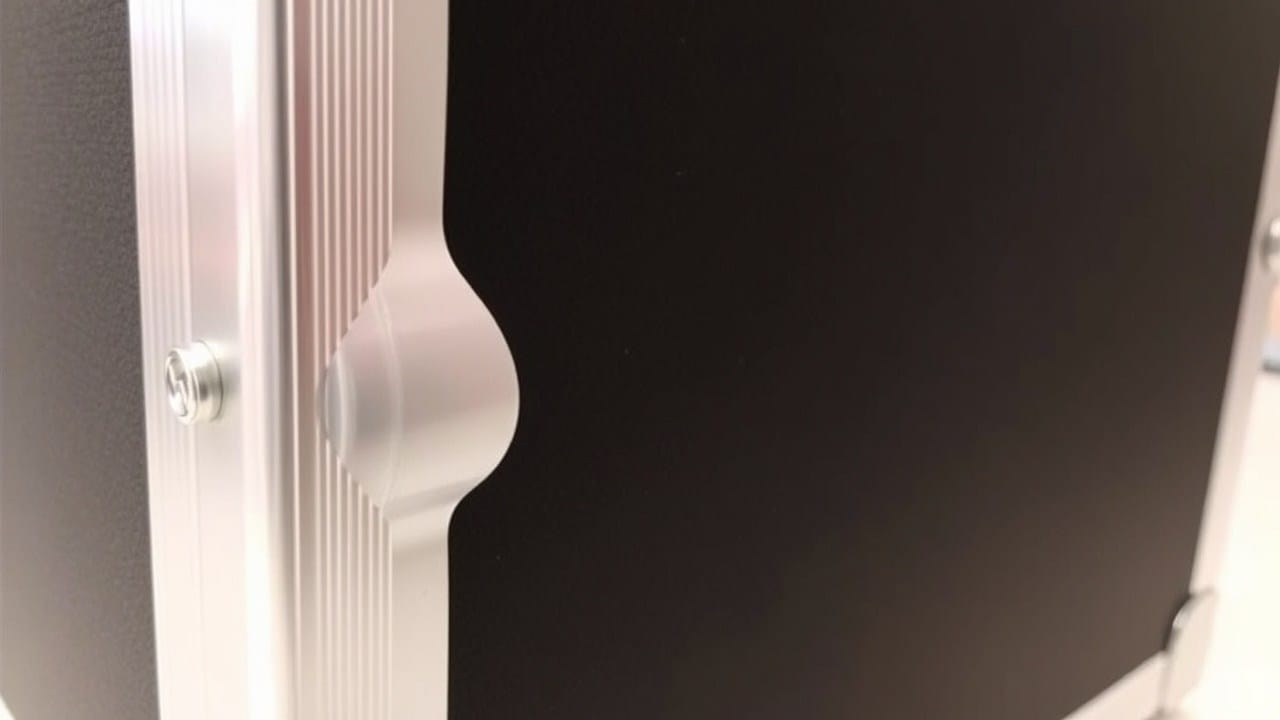
When building a flight case, several common mistakes can compromise its durability and functionality. One frequent error is using incorrect hardware sizes, like too short of a screw. Always ensure that the screws or long rivets you are using are appropriate for the thickness of your plywood or other materials. Another mistake is neglecting to pre-drill holes, which can cause the plywood to split when inserting screws. Inaccurate measurements can also lead to misalignment and a poorly fitted case corner, making it difficult to fix securely. Avoid using cheap, low-quality hardware, as it is more likely to fail under stress. Always double-check your measurements and use quality materials to ensure a robust build. This should help avoid the case from getting damaged.
Best Practices for Assembling a Durable Flight Case
To assemble a durable flight case, follow these best practices. Start with high-quality plywood and ensure all cuts are precise. Use robust hardware, such as stainless steel latches, hinges, and ball corners, from a reputable supplier like Kingway Metal. Reinforce all corners and edges with aluminum extrusion and case angles for added strength. Apply adhesive glue in conjunction with mechanical fasteners like screws or rivets to secure the components effectively. Ensure all hardware is flush with the surface to prevent snagging or damage during transport. For added protection, line the interior with foam padding cut to fit your equipment snugly. This way, you’re designed to protect your items in the flight case.
Where to Source Quality Flight Case Components
Sourcing high-quality flight case components is crucial for building a reliable and long-lasting case. Kingway Metal Co., Ltd is a leading manufacturer specializing in stamping and assembling flightcase hardware, offering a wide range of standardized and customizable options for various applications. Located in Dongguan City, Guangdong Province, Kingway Metal is ISO 9001:2015 certified by BSI, ensuring top-notch quality and reliability. They supply flight case hardware to premium plastic flight case manufacturers in America and Europe, demonstrating their global reputation. Whether you need ball corners, hinges, latches, handles, or case angles, Kingway Metal provides the hardware needed to make the case durable for the long haul. They offer quality and customization, ensuring your flight case build is a success.
