
Mounting a caster board under a flight case is a practical solution for anyone needing to transport heavy equipment safely and efficiently, especially when it adds a lot of weight. Whether you’re moving amp rack gear, delicate instruments, or other valuable items, adding a castor board transforms your flight case into a rolling trolley, making it much easier to manage. This guide will walk you through the essential components and steps to securely mount a caster board, ensuring your flight case is ready to roll with confidence.
Understanding the Components
What is a Flight Case?
A flight case, sometimes referred to as a road case or flightcase, is a specialized type of case designed to protect sensitive equipment during transport, especially when putting wheels on it for easier mobility. These cases are typically constructed from durable materials like plywood, often reinforced with metal edges and corners to withstand the rigors of travel. The primary purpose of a flight case is to shield its contents from impacts, vibrations, and environmental factors, making them indispensable for musicians, technicians, and anyone needing to move delicate gear safely. Installing flight case castors enhances their usability by allowing for easy movement, even when the case is loaded with heavy items.
Types of Casters: Choosing the Right Wheel
Selecting the right type of castors is crucial for ensuring the stability and maneuverability of your flight case. There are generally two types of flight case castors: swivel castors and fixed castors. Swivel castors provide great maneuverability, and their functionalities can vary, for instance:
- Swivel castors provide 360-degree rotation, allowing for easy turning and maneuvering in tight spaces.
- Braked castors are particularly useful for preventing unwanted movement on uneven surfaces or during loading and unloading.
Two swivel castors are often paired with two fixed castors to balance maneuverability with stability. Kingway Metal provides large castors that swivel and aren’t braked, with a size of 80mm and large castors that swivel and are braked, also with a size of 80mm. The size and material of the wheel should also be considered, especially if the case will be subjected to heavy loads or rough terrains.
Different Mounting Options
When it comes to mounting a castor board to the bottom of the case, several options can ensure a secure and reliable attachment. Depending on your specific needs and the weight your flight case will bear, you might consider options such as:
- Attaching a plank of wood to the bottom of the flight case and then mounting the castors to this board. This approach distributes the weight evenly and provides a stronger base for the castors.
- Attaching the castors directly to the plywood bottom of the case, potentially reinforcing the area.
Using bolts and t-nuts is another robust method, providing a secure fix that can withstand heavy-duty use. Whether you choose to use screws, bolts, or a combination of methods, ensure that the hardware is appropriate for the thickness and material of the case to prevent pull-through or damage.
Preparation for Installation
Gathering Necessary Tools
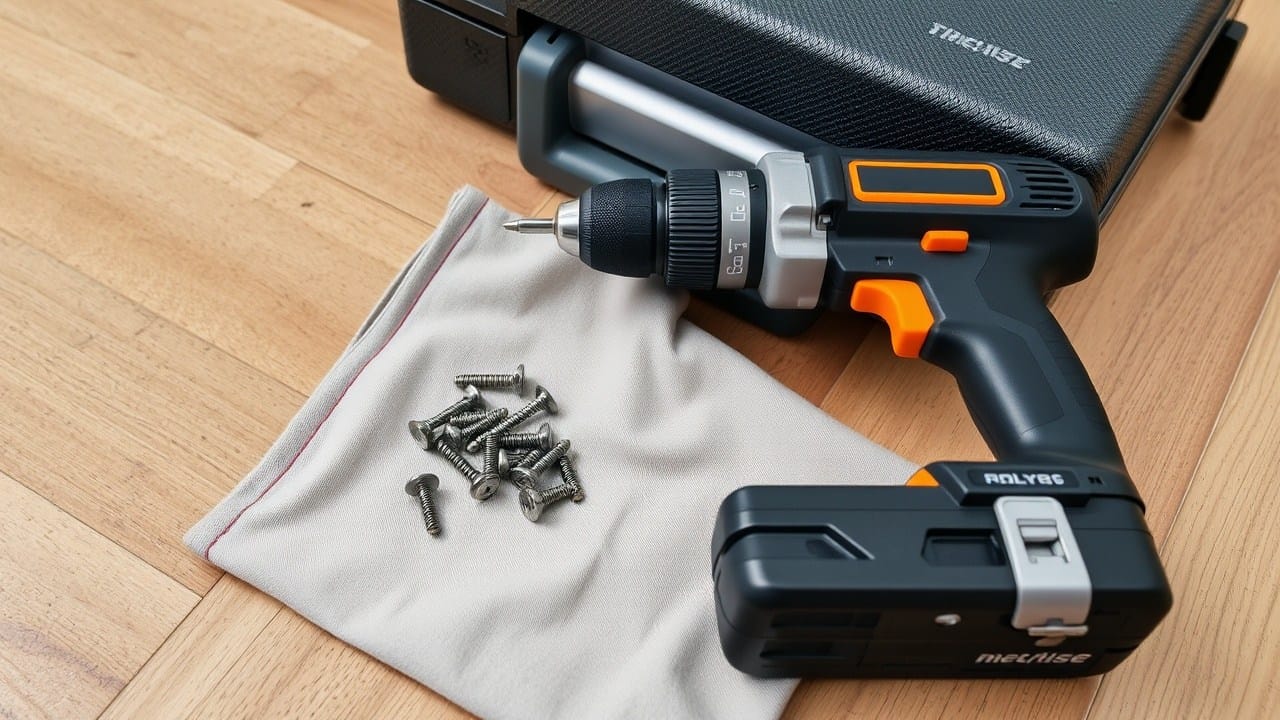
Before you begin to mount the plate, ensure you have the right tools to drill the holes accurately. castor board to your flight case, gather all the necessary tools to ensure a smooth and efficient process for putting wheels on. Essential items include a drill with various drill bits suitable for wood and metal, a measuring tape to accurately position the caster board, a pencil for marking hole locations, a socket set or wrench for tightening bolts and nuts, and a screwdriver for screws. Additionally, you’ll need safety glasses to protect your eyes, and gloves to protect your hands. If you plan on reinforcing the bottom of the case with a steel plate to which you will be adding a lot of weight with the wheels. or plank of wood, have these materials cut to the appropriate size. Having all these tools at your disposal will streamline the process of putting wheels on your project. install and help you fix the caster board securely.
Choosing the Right Caster Board
Selecting the appropriate caster board Putting wheels on the case is vital for the transport of sensitive equipment. flight case‘s performance and transport capabilities. Consider the weight of the equipment that the case will carry. For heavy gear such as an amp rack , opt for a caster board made from steel to ensure durability when putting wheels on. thick, durable plywood or reinforced with a steel frame. The size of the caster board should be slightly smaller than the bottom of the flight case to prevent overhang and ensure stability. When choosing your castors, consider these options for putting wheels on your flight case.
- Four swivel castors
- Two swivel and two fixed castors
- All fixed ones
Remember that swivel castors offer greater flexibility for turning, while fixed ones provide enhanced directional stability. Kingway Metal offers a variety of flight case castors to match your specific requirements, ensuring your flight case is easy to roll and transport.
Measuring Your Flight Case
Accurate measurements are crucial before mounting the caster board. Begin by measuring the external dimensions of the bottom of the case of your flight case to determine the maximum size of the caster board that can be accommodated. Subtract a small amount (e.g., 1/2 inch) from each dimension to ensure the caster board fits neatly without extending beyond the case‘s edges. If you’re planning to attach the castors directly to a plank of wood or plywood, measure and cut the wood accordingly. Also, consider the height of the castors; adding a caster board will increase the overall height of the case, which may affect how it fits into transport vehicles or storage spaces. Ensure that you account for this extra height in your measurements to avoid any surprises during transport or storage of your valuable equipment.
Step-by-Step Installation Process
Attaching the Caster Board
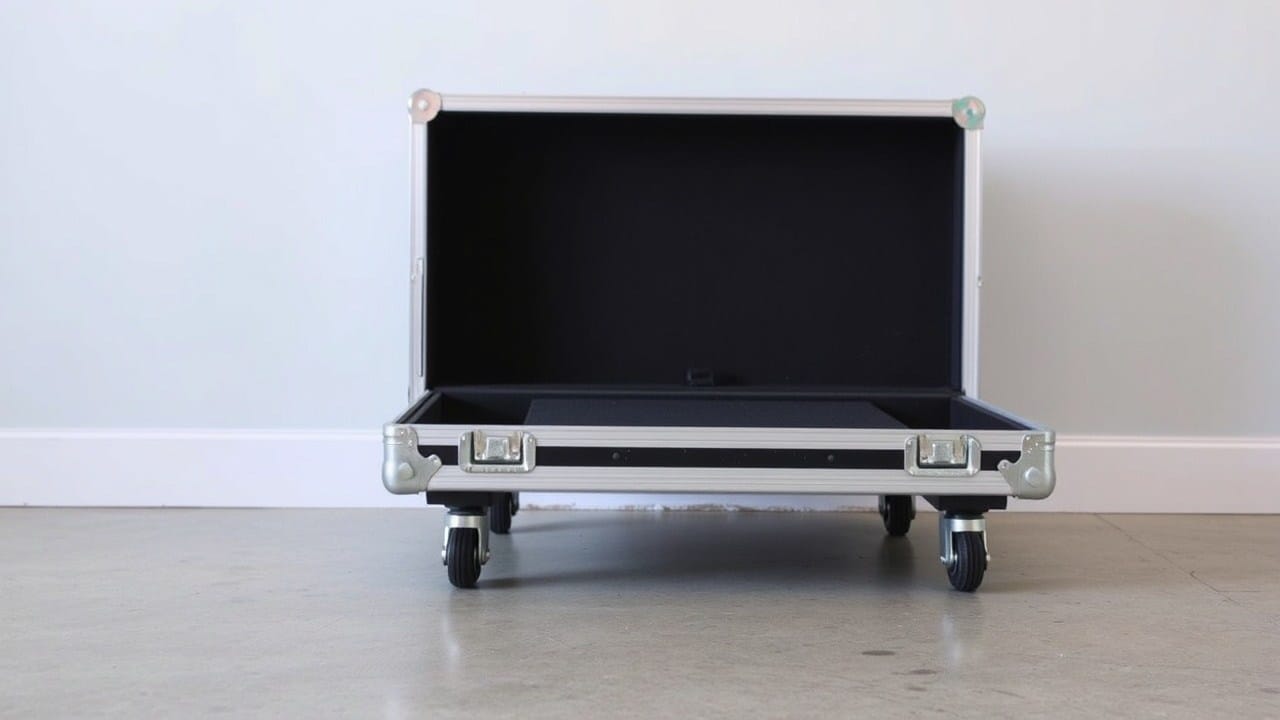
The first step in this install process involves attaching the caster board to the bottom of the flight case. Position the caster board centrally on the bottom of the case and mark the locations for the mounting holes using a pencil. If you’re using a plank of wood or plywood as a base, ensure it’s properly aligned. Next, pre-drill the holes through the bottom of the case at the marked locations, being careful not to drill too deep. Align the caster board Drill the holes carefully to avoid damaging the flight case.drilled holes, and secure it in place using screws or bolts. If using bolts, be sure to use Use 18mm washers to ensure stability when putting wheels on the case. to distribute the pressure and prevent damage to the ply. Tighten the fasteners securely, but avoid over-tightening, which could strip the wood or damage the case. This ensures the castor board is firmly attached and ready for the castors.
Mounting Considerations for Stability
When mounting the castors, stability is paramount, especially for putting wheels on your furniture. flight cases carrying heavy gear. Position the four castors strategically on the caster board or directly onto the bottom of the case ensuring that the weight is evenly distributed. For larger cases or those expected to bear significant weight, consider reinforcing the mounting areas with a steel plate to prevent the wood from splitting or the castors from pulling through. Using bolts with t-nuts on the inside of the case provides a stronger and more secure fix compared to screws alone. Ensure that the mounting hardware is appropriately sized for the thickness of the plywood or plank of wood to avoid any potential failure under heavy duty conditions. By carefully considering these mounting aspects, you enhance the flight case‘s stability and longevity.
Testing the Installation
After mounting the castors, it’s crucial to test the install to ensure stability and reliability. Begin by placing some weight inside the flight case, gradually increasing it to simulate a typical load. Check for any wobbling or instability in the castors. Roll the case smoothly by putting wheels on it. the flight case across various surfaces to assess its maneuverability and how well the castors handle different terrains. If you’ve installed castors with locks, test the lock mechanism to confirm that it effectively prevents the wheel from moving. Pay close attention to the mounting points, ensuring that there is no sign of ply separation or stress on the wood or steel plate. If any issues arise, re-tighten the bolts or screws and inspect the holes for damage. This thorough testing process will provide confidence in the caster board‘s ability to transport your equipment safely and efficiently, turning your flight case into a convenient wheelie or dolly.
Maintenance and Care
Regular Checks for Wear and Tear
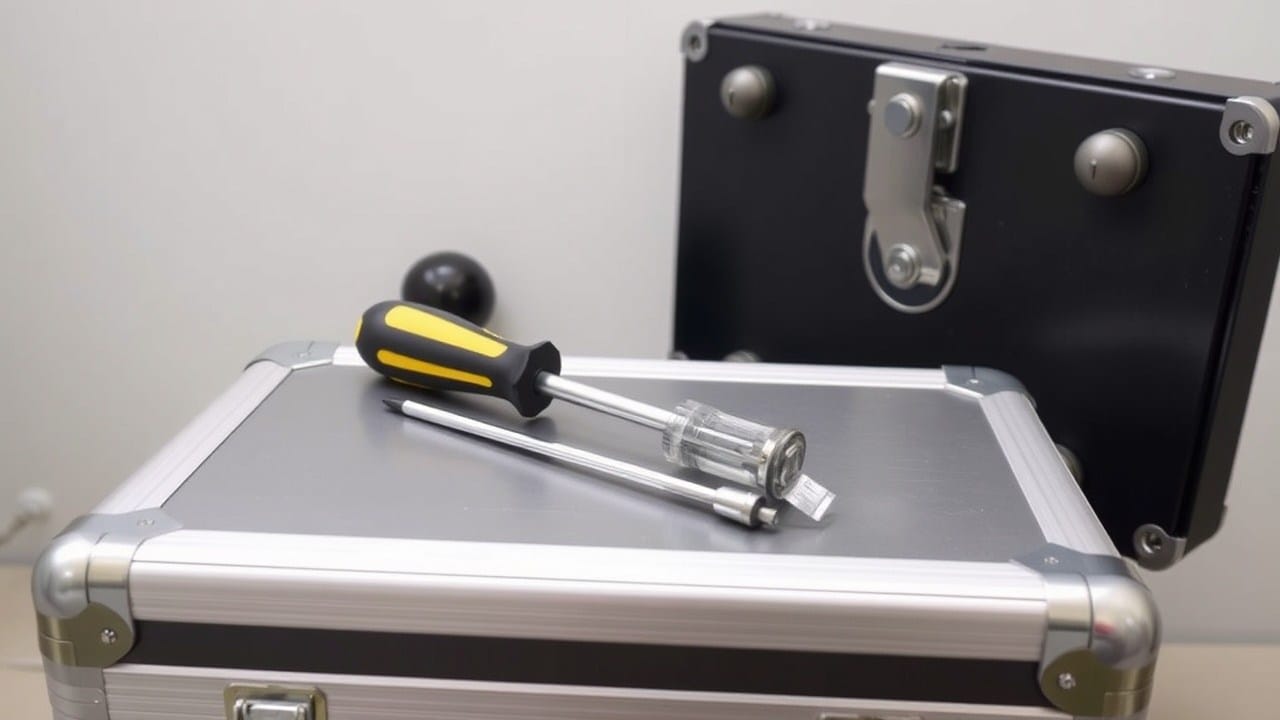
Regular maintenance is essential to ensure the longevity and reliability of your flight case with its newly attached castor board. Perform routine checks on the castors themselves, examining the wheels for any signs of wear, such as cracks, chips, or flat spots. Check that the wheels roll smoothly and are free from debris. Inspect the mounting hardware—bolts, screws, and nuts—to confirm they remain securely fastened after you put the case together. If you’re putting wheels on your flight case, make sure to choose the right size. using castors with locks, test the locking mechanism regularly to ensure it engages and disengages properly. Over time, vibrations and impacts during transport can loosen hardware or cause damage, so proactive inspection and timely drilling the holes is essential. fix will prevent minor issues from escalating into significant problems. Kingway Metal recommends these frequent checks to maintain optimal performance of your flight case solution.
Best Practices for Caster Longevity
To maximize the lifespan of your flight case castors and caster board, it’s vital to adhere to best practices for maintenance and care. Avoid overloading the case beyond the caster’s weight capacity, as this can cause premature wear and failure. When rolling the case, avoid rough surfaces and obstacles that could damage the wheels or mounting points. Periodically lubricate the wheel bearings with a suitable lubricant to ensure smooth rolling and prevent rust or corrosion. If your flight case is exposed to moisture, consider using stainless steel castors to prevent rust. Regularly clean the castors to remove dirt and debris that can impede their movement. By following these practices, you can significantly extend the life of your castors and ensure your flight case remains a reliable transport solution for your valuable equipmentReinforcing Kingway Metal’s commitment to quality, we ensure our products can support putting wheels on heavy cases.
When to Replace Casters
Knowing when to replace your castors is crucial for maintaining the safety and efficiency of your flight case. Signs that indicate a need for replacement include difficulty rolling, excessive noise, visible damage (cracks, chips, or deformation), and instability when the case is loaded. If the wheels wobble or fail to turn smoothly, or if the locks no longer engage properly, it’s time to consider new castors. Additionally, inspect the mounting hardware; if the holes are worn or the plywood base is showing signs of stress, replacing the castors along with reinforcing the caster board may be necessary to adjust the height after putting wheels on. Replacing castors promptly prevents further damage to the flight case and ensures continued ease of transport. Kingway Metal offers a range of high-quality replacement flight case castors to suit various needs, ensuring your equipment stays protected and mobile.
