
Welcome to our comprehensive guide on how to replace a flight case catch. Whether you’re a seasoned road warrior or a weekend musician, understanding how to maintain your flight case is crucial for protecting your valuable equipment. A broken latch can compromise the security of your case, leaving your gear vulnerable to damage. This guide, brought to you by Kingway Metal, will walk you through the process of replacing a flight case catch, ensuring your case remains reliable and your equipment stays safe. Let’s dive in and learn how to fix this common issue with ease.
Understanding Flight Case Components
The Importance of Latches in Flight Cases
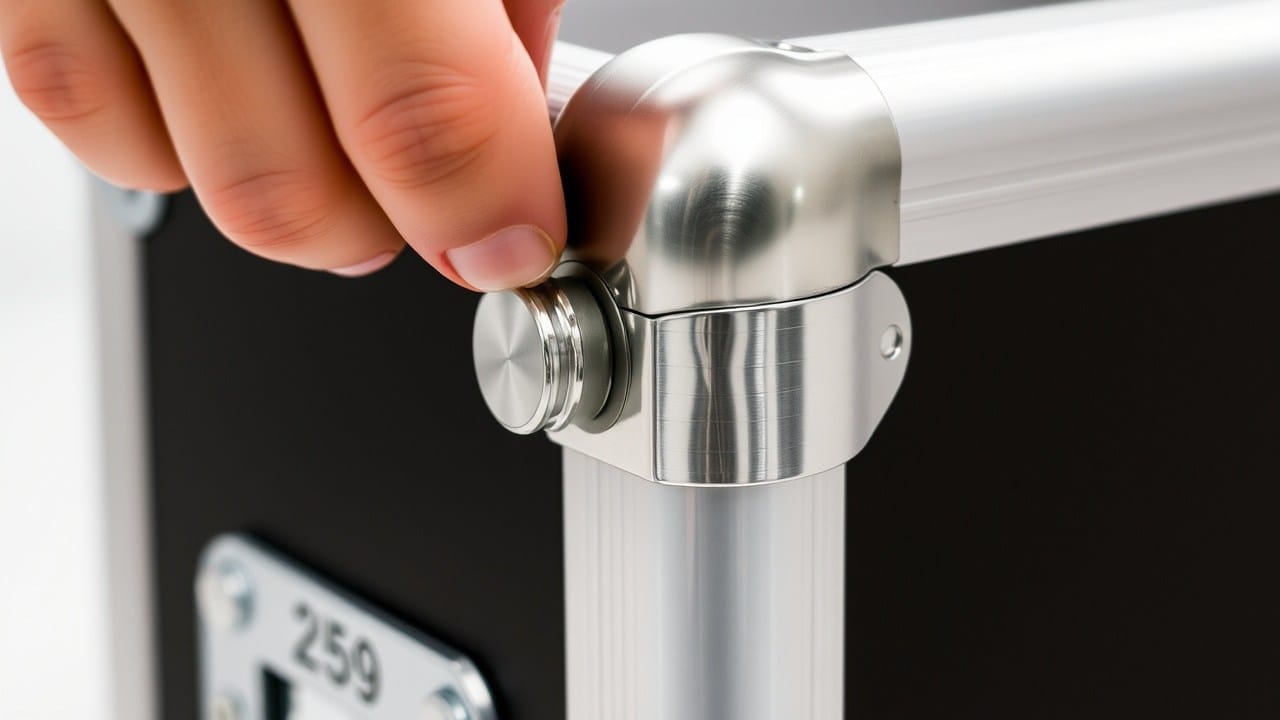
The latch is a critical component of any flight case, especially those made of wood, to ensure maximum security. Its primary function is to securely fasten the lid to the case, preventing accidental openings during transport. A broken latch can render a flight case useless, as it compromises the integrity of the entire protective system. The latch is the first line of defense against impacts, vibrations, and environmental factors encountered on the road. Proper latch maintenance and timely replacement when needed is essential for safeguarding valuable equipment. Many users discuss latch issues and solutions on forums, highlighting the importance of a reliable catch for their cases.
Types of Latches: Focusing on Butterfly Latches
There are various types of latches used in flight cases, but the butterfly latch is a popular choice due to its robust design and ease of use. The butterfly latch, sometimes referred to as a recessed latch or spring-loaded latch, typically consists of two halves that interlock when closed, creating a secure picture of durability. To open, you simply twist the butterfly mechanism, disengaging the lock. While some flight cases use simpler draw latches, the butterfly latch provides a more secure and durable option, particularly for cases that endure frequent handling and have a large load capacity. If you search online, including on Amazon, you’ll find many replacement latches available.
Identifying Parts: Rivets, Handles, and Catches
Before you can replace a flight case catch, it’s important to identify the various parts involved. The catch itself is the component that physically secures the lid to the case body. Rivets are often used to attach the catch to the case surface, providing a strong and permanent bond. Handles allow for easy carrying, while other hardware components like corners and edges offer additional protection. Understanding the construction of your flight case, including how the catch is mounted, will help you choose the correct replacement and ensure a successful repair. If a handle or a catch breaks, you need to identify these parts.
When to Replace a Latch
Signs That Indicate a Latch Needs Replacement
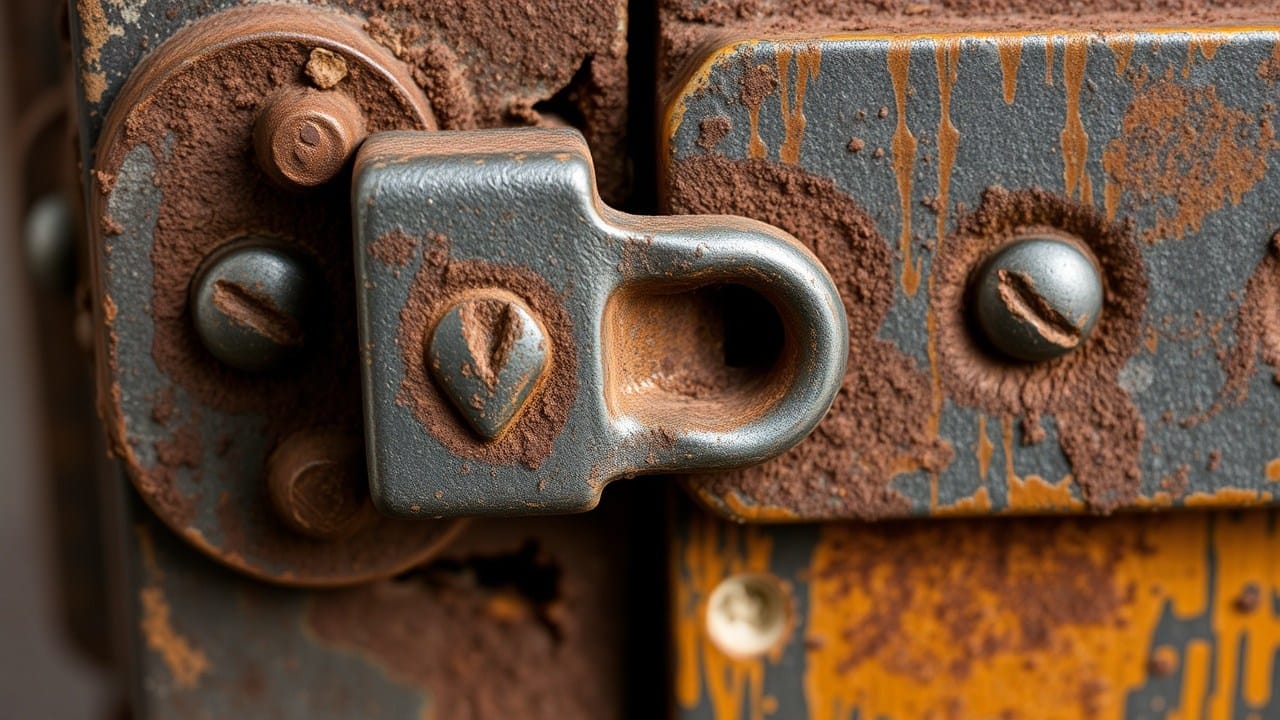
Knowing when to replace a latch on your flight case is crucial for maintaining the security of your equipment. A broken latch is an obvious sign, but there are more subtle indicators as well, such as the presence of a little hole or misalignment. If the latch is difficult to open or close, or if it doesn’t hold the lid securely, it may be time for a replacement, especially if the latch is large and cumbersome. Check for visible damage such as cracks, bends, or corrosion on the butterfly latch or its brass components. Also, examine the rivets or screws that attach the latch to the flight case; if they are loose or damaged, the latch may not be properly secured. Consulting a guitar forum or other online resources can provide useful insights into common latch problems and solutions.
Assessing Damage: Repair vs. Replacement
When you notice an issue with your flight case catch, assess the damage to determine whether repair or replacement is the best option. Minor issues, such as loose screws, might be easily fixable with a simple tightening. However, if you notice a little hole near the latch, it may indicate wear and tear. if the butterfly latch is severely damaged, corroded, or if the rivets are broken, replacement is generally the more reliable solution. Trying to repair a severely damaged latch might compromise its integrity, leading to future failures. Purchasing a replacement latch ensures that your flight case remains secure and your equipment is protected. Think about the damage on your flight case and determine if it is fixable, or you need to buy a new catch.
Common Issues with Butterfly Latches
Butterfly latches, while durable, are still susceptible to wear and tear. One common issue is the failure of the spring mechanism that provides the tension needed to keep the latch closed. Over time, springs can weaken or break, making it difficult for the two halves of the butterfly latch to lock securely. Another issue is the loosening or stripping of the pop rivets that attach the latch to the flight case. This can happen due to vibrations during transport or simply from repeated use. Corrosion is another factor, especially if the flight case is exposed to moisture or harsh environments. Regularly inspecting and maintaining your butterfly latches can help prevent these issues and extend the life of your flight case. Replacement of a latch is a good option for the safety of your flight.
How to Replace a Latch
Tools Required for Latch Replacement
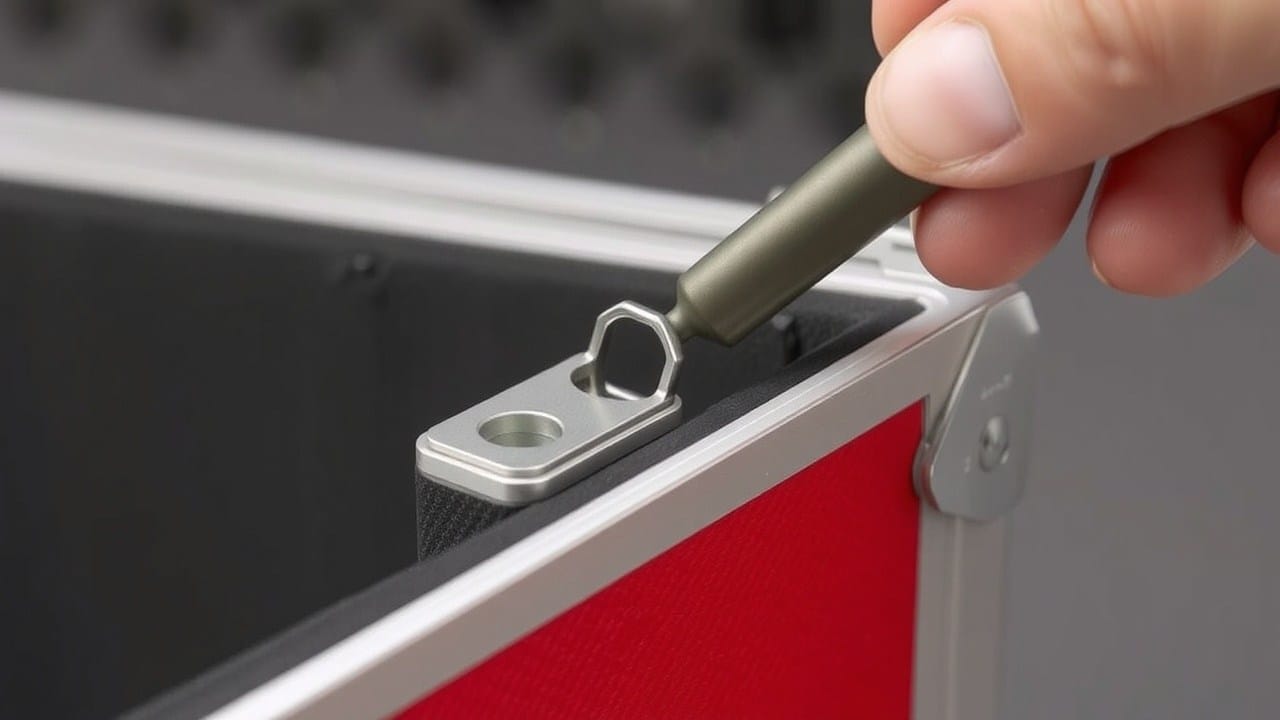
To successfully replace a latch on your flight case, gathering the right tools is essential. Several tools will prove indispensable for this task, including a pop rivet gun for securing components.
- A drill with a selection of drill bits to remove old rivets and create new holes if necessary.
- A rivet gun, if your replacement latches use pop rivets for installation.
A screwdriver set, including both Phillips and flat-head screwdrivers, will help with screws. A hammer and punch can assist in removing stubborn rivets. Safety glasses should be worn to protect your eyes from debris. A measuring tape will help you align the new latch correctly. Finally, consider having a variety of screws, nuts, and washers on hand to ensure a secure mount. The right tool is a solid solution for the replacement.
Step-by-Step Guide to Remove the Old Latch
Removing the old latch is the first step in the replacement process for a new case. Begin by inspecting how the old latch is attached. Most latches are secured with rivets. If so, use a drill bit slightly larger than the diameter of the pop rivet to drill out the head of the rivet. Once the head is removed, use a punch to push the rest of the pop rivet through the little hole. If screws are used, simply unscrew them and pull the latch away from the case, checking for any damage. Be careful not to damage the surrounding case material. For stubborn latches, try applying penetrating oil to loosen any corrosion. Once all the fasteners are removed, the old latch should be easy to remove.
Mounting the New Butterfly Latch
Mounting the new butterfly latch requires precision, especially when dealing with large cases. First, position the replacement latches in the old location, ensuring they align with the little holes. If the new latch matches the old one, the holes should align. If not, you’ll need to drill new holes. Use the new latch as a template to mark the hole locations. Drill the holes carefully, ensuring they are the correct size for the rivets or screws you’re using. Attach the latch using rivets, screws, nuts, and washers. Ensure the butterfly latch is securely fastened and that it operates smoothly. For added security, consider adding a thin metal plate inside the flight case to reinforce the mounting area.
Choosing the Right Latch for Your Flight Case
Factors to Consider When Selecting a Latch
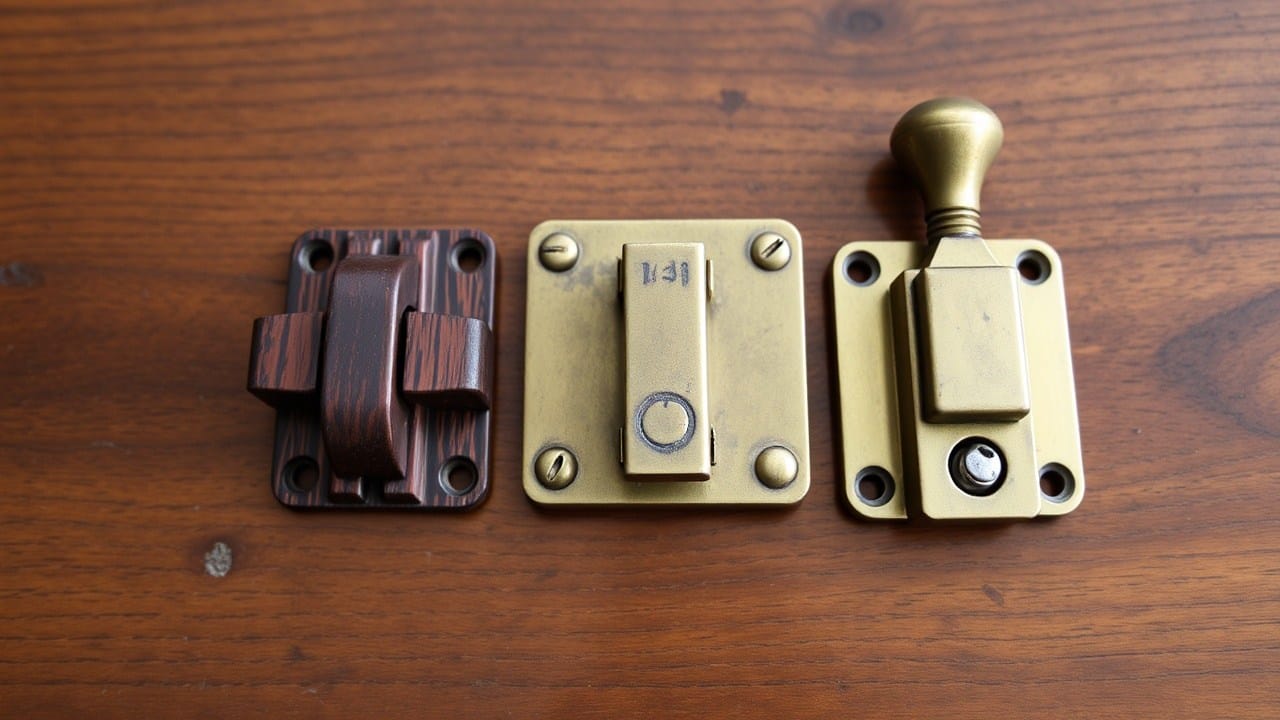
When selecting a replacement latch for your flight case, several factors come into play. Consider the material; options range from carbon steel to stainless steel, each offering different levels of corrosion resistance and durability, particularly for a new case. Think about the size and shape of the latch; it should be appropriate for the dimensions and design of your flight case. Evaluate the load-bearing capacity to ensure it can securely hold the lid, especially for heavier equipment. Consider the environment where the case will be used, ensuring it can withstand large temperature fluctuations. Stainless steel 304 or 316L/V4A options are suitable for humid or marine environments. Take the measurements of your hole and the thickness of the side of the new case. Kingway Metal Co., Ltd provides customization and standardized options, so choose the right latch.
Where to Purchase Quality Flight Case Latches
Finding a reliable supplier for flight case latches is essential for ensuring the longevity and security of your road case. Kingway Metal Co., Ltd is a leading manufacturer specializing in stamping and assembling, providing one-stop solutions for case hardware, including brass options. Consider purchasing directly from manufacturers like Kingway Metal, who supply flight case hardware to premium plastic flight cases manufacturers in America and Europe. When you buy from Kingway Metal, you gain access to a wide range of latches, including small stainless steel case latches suitable for various case sizes and applications, perfect for a new case. Buying directly can also offer better deals and customization options tailored to your specific needs.
Comparing Different Brands and Models
When shopping for flight case latches, comparing different brands and models is a wise approach to ensure you get the best possible product for your needs. Kingway Metal offers flight case hardware made of carbon steel and stainless steel (304, 316L/V4A) with black E-coating surface. Compare the specifications of each latch, including its material, size, load capacity, and whether it is made of brass or stainless steel. Reading reviews and consulting forums or guitar forums, will provide useful insights into the performance and reliability of different latches. Also, examine the finish of the latch, such as black E-coating, which enhances corrosion resistance. Make sure you choose the model that is the right solution for your road case.
