
The #1 Challenge for Metal Part Importers
The biggest risk when importing stamped metal components is rust formation. Corrosion during transit or storage can lead to rejected shipments, delayed projects, and damaged business relationships.
Consequences of Poor Rust Prevention
Failing to source corrosion-resistant parts from reliable manufacturers results in:
- Supply chain disruptions and delayed deliveries
- Lost contracts as clients switch to competitors
- Eroded trust in your product quality
- Long-term reputational damage to your brand
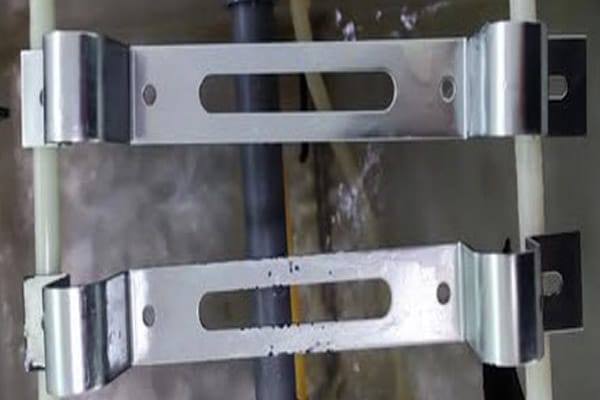
Kingway Metal’s Anti-Rust Solutions
As a BSI ISO9001-certified manufacturer, we combine advanced materials, coatings, and strict QC protocols to guarantee rust-free metal parts. Here’s how we protect your supply chain:
6 Proven Strategies to Combat Rust
1. Corrosion-Resistant Materials We recommend stainless steel, galvanized steel, or aluminum for inherent rust resistance.
2. Protective Coatings Options like zinc plating, galvanization, or powder coating create a moisture barrier to prevent oxidation.
3. Controlled Storage Parts are stored in dry, ventilated warehouses to minimize humidity exposure.
4. Rigorous Testing Standards Our salt spray tests (ASTM B117) validate corrosion resistance before shipment.
5. Strict Quality Control Every component is inspected for defects, scratches, or imperfections that could compromise durability.
6. Rust Inhibitors Temporary anti-corrosion treatments are applied during production for added protection.
Why Partner with Kingway Metal?
- Certified supply chain with traceable materials
- End-to-end rust prevention from production to delivery
- Custom solutions tailored to your project’s environment (e.g., high-humidity regions)
Key Takeaways for Importers:
- Rust = costly delays and lost revenue.
- Prevention starts with material selection and coatings.
- Partner with ISO-certified suppliers to mitigate risks.
