
Welcome to the ultimate guide on recessed flight case hardware, where we delve into the world of robust and reliable components designed to safeguard your valuable equipment. Whether you’re a seasoned road warrior, a flight case manufacturer, or simply seeking the best protection for your gear, understanding the nuances of recessed hardware is essential. Join us as we explore the key elements, materials, and considerations that make recessed flight case hardware the preferred choice for ensuring durability and security.
Understanding Recessed Flight Case Hardware
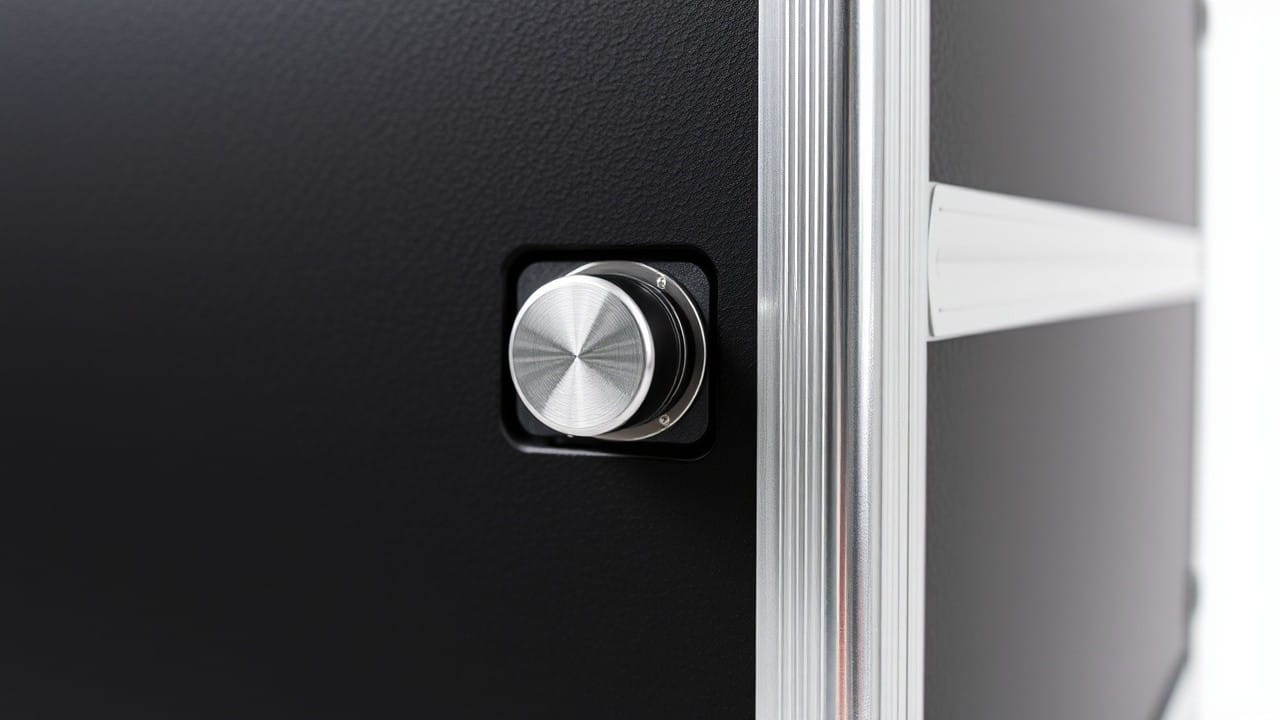
What is Recessed Hardware?
Recessed hardware refers to components that are designed to be set into the surface of the flight case, rather than protruding outwards. This design offers enhanced protection, preventing damage to the hardware and the surrounding environment during transit. The term “recess” implies that the hardware, such as handles, latches, or corners, sits flush or slightly below the surface of the flightcase. This is particularly important for flight cases that are frequently stacked or handled in demanding conditions. By using recessed hardware, the likelihood of snagging or breaking is significantly reduced, ensuring that the flight case maintains its integrity and continues to provide reliable protection for the equipment inside.
The Importance of Durability in Flight Cases
Durability is paramount when it comes to flight cases, especially considering the frequent handling and harsh environments they endure. Flight case manufacturers understand the need for robust hardware that can withstand the rigors of shipping and the demands of touring. The choice of material, such as steel or zinc, plays a crucial role in determining the overall durability. Features like superior corrosion resistance are particularly important in humid climates. Penn Elcom offers a wide range of case hardware known for its reliability. The hinges and lid stays must be heavy-duty to support the weight of the lid and ensure it remains securely closed. The integration of quality materials and precise manufacturing processes directly contributes to the longevity and effectiveness of the flight case.
Key Components of Recessed Flight Cases
Several key components comprise the recessed flight case hardware system. These components play specific roles in the flight case’s construction, including:
- Handles, often large recessed designs, provide comfortable and secure grip points for easy lifting and carrying.
- Lid stays, including hinged lid stay variations and recessed lid stays, are essential for supporting the lid in an open position, preventing it from slamming shut.
- Hinges, such as piano hinges, offer continuous support along the length of the lid, ensuring smooth operation and added strength.
- Latches secure the case closed, with options ranging from standard to heavy-duty, depending on the level of protection required.
- Corners reinforce the case’s edges, safeguarding against impacts and abrasion.
Each part contributes to the overall structural integrity and functionality of the flight case.
Types of Hinges and Lid Stays

Overview of Hinges for Flight Cases
The world of flightcase hardware is diverse, with various types of hinges tailored to specific needs. Piano hinges, also known as continuous hinges, provide robust support along the entire length of the lid, distributing weight evenly and preventing warping. Standard hinges are suitable for lighter applications, offering a cost-effective solution without compromising on quality. For heavy-duty applications, there are hinges crafted from thick steel or zinc, ensuring the lid remains securely attached even under extreme stress. Penn Elcom and Kingway Metal offer a wide range of flight case hinges, each designed for different load capacities and case sizes. Choosing the right hinge is crucial for ensuring the longevity and reliability of your flight case. Consider the material, size, and fitting type when selecting the best hinge for your flight case build.
Choosing the Right Lid Stays
Lid stays are an essential hardware part for keeping a flight case lid open, preventing it from slamming shut and potentially damaging the equipment inside. A hinged lid stay is a popular choice, offering a simple yet effective solution for many case designs. Recessed lid stays provide a cleaner, more streamlined look, minimizing the risk of damage during shipping. When selecting lid stays, consider the weight and size of the lid. Heavy-duty lid stays are necessary for larger lids, ensuring they remain securely in place. Some lid stays offer adjustable resistance, allowing you to customize the opening and closing force for your flightcase. Kingway Metal’s range of lid stays ensures you can find the perfect match for your custom flight case project, offering both protection and convenience.
Comparing Offset and Large Recessed Hinges
When designing a flight case, the choice between offset and large recessed hinges can significantly impact the overall functionality and aesthetic. Offset hinges are designed to allow the lid to open fully, even when the case is positioned against a wall or another object. Large recessed hinges offer a flush finish, providing enhanced protection against impacts and abrasion. The recessed design minimizes the risk of the hinge snagging or breaking during transit. While offset hinges prioritize accessibility, large recessed hinges focus on durability and a streamlined appearance. Consider the specific application and the environment in which the flight case will be used when making your selection. Both types of hinges are available in various materials, including steel and zinc, allowing you to choose the best option for your flightcase needs. Kingway Metal offers both options, ensuring your case hardware is top quality. You can shop our products online or contact us for custom solutions to fit your needs. Order yours today and build the best flight case!
Features of Recessed Lids
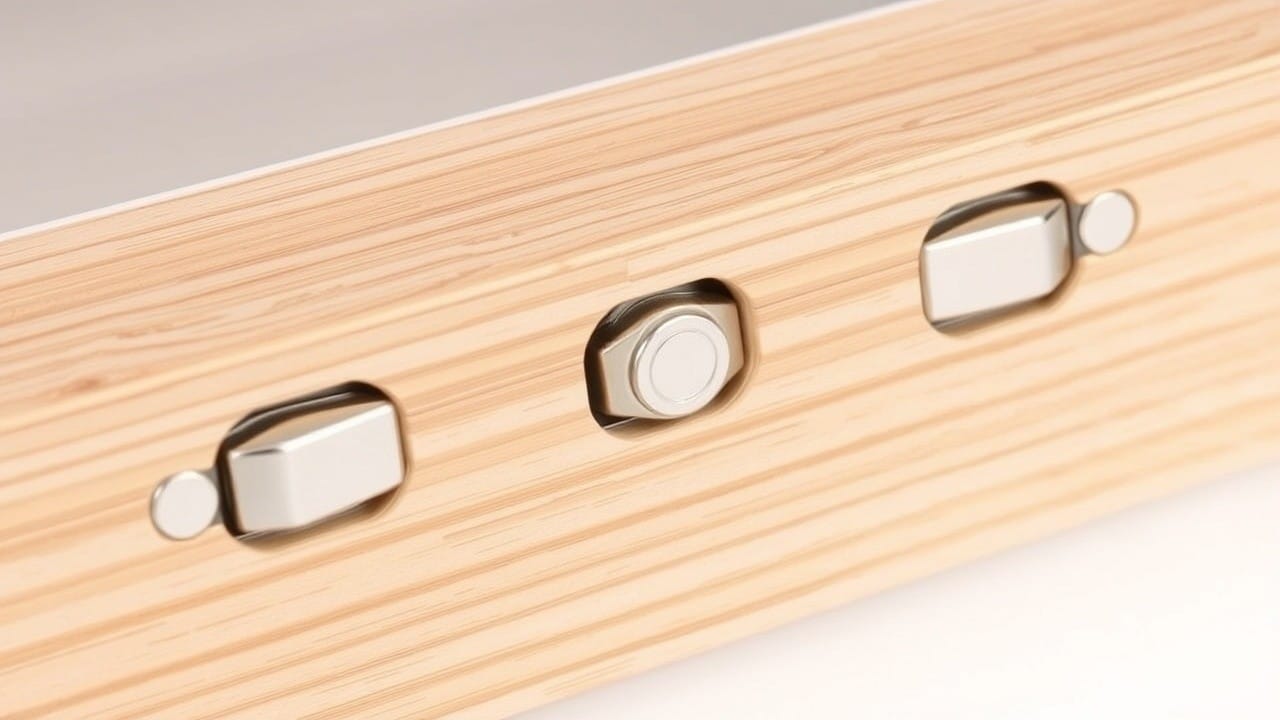
Benefits of Using Recessed Lids
Recessed lids offer a multitude of benefits, primarily centered around enhanced protection and durability. The recessed design minimizes the exposure of the lid to potential impacts during shipping, significantly reducing the risk of damage to both the lid and the surrounding hardware. Recessed lid stays, for instance, sit flush with the case surface, preventing them from being snagged or broken. This is particularly advantageous for flight cases that endure frequent handling on the road. The streamlined profile of a recessed lid also contributes to a more professional and aesthetically pleasing appearance. Penn Elcom offers a range of high-quality recessed parts that provide superior protection without compromising on style. The use of recessed hardware ensures your equipment remains safe and secure, regardless of the rigors of travel.
How to Select the Right Recessed Lid
Selecting the right recessed lid involves careful consideration of several factors. First, evaluate the type of equipment the case will house and the level of protection required. Heavier equipment may necessitate a heavy-duty lid with reinforced corners and robust latches. Next, consider the material of the lid. Steel and zinc are popular choices for their strength and corrosion resistance. Ensure that the recessed area is appropriately sized to accommodate the hardware, such as handles and lid stays. Hinges are important too and the fitting type needs to be checked before confirming the recess hole size in your flightcase. For large or heavy lids, piano hinges provide superior support compared to standard hinges. At Kingway Metal, we offer a range of recessed lids and flight case parts to meet diverse needs. You can shop our products online, so you can build the best case for your equipment.
Maintenance Tips for Recessed Lids
Proper maintenance of recessed lids in your flightcase is crucial for prolonging their lifespan and ensuring continued protection of your equipment. Regularly inspect the lid for any signs of damage, such as dents, cracks, or loose hardware. Lubricate hinges and lid stays periodically to maintain smooth operation and prevent corrosion. Clean the recessed areas to remove dirt and debris that can accumulate over time. For lids made of steel or zinc, consider applying a protective coating to guard against rust and corrosion, especially in humid environments. Ensure that all screws and fasteners are tightened to prevent hardware from becoming loose. Penn Elcom and other leading manufacturers offer maintenance products specifically designed for flight case hardware. A 27mm wrench may be useful. By following these simple maintenance tips, you can keep your recessed lid in top condition and ensure it continues to provide reliable protection for your flightcase for years to come.
Popular Brands and Manufacturers
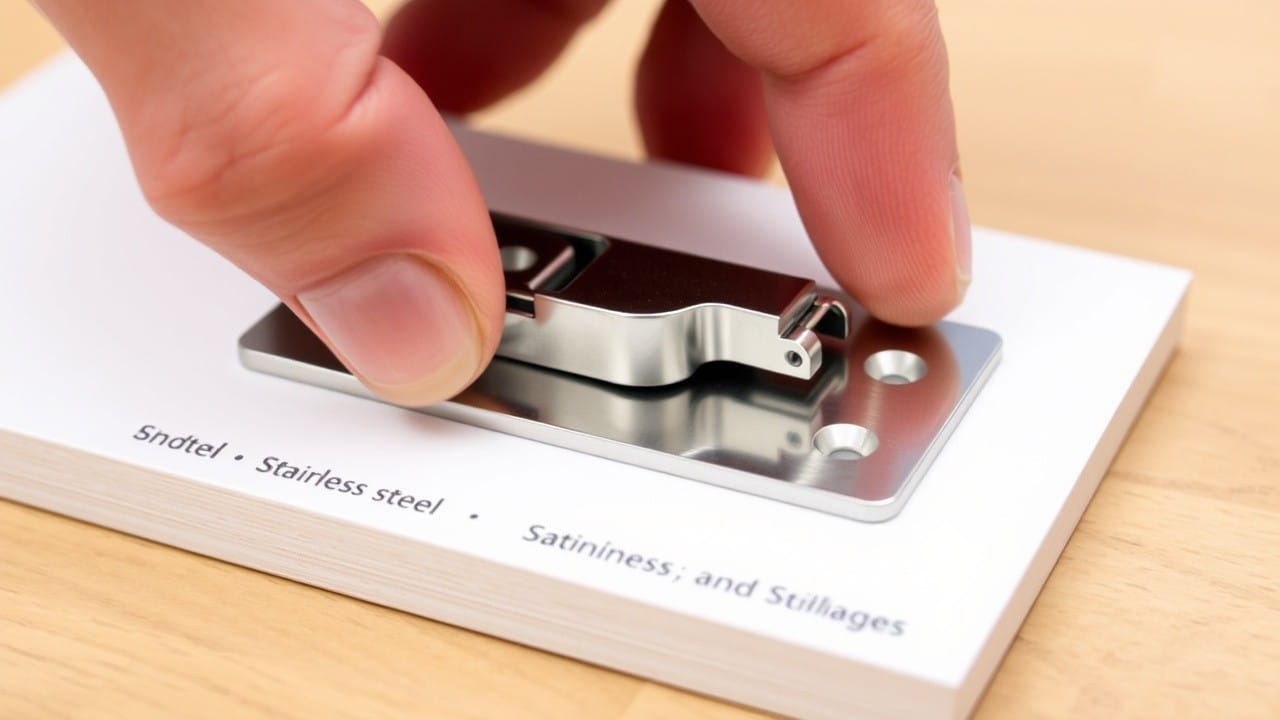
Penn Elcom: A Leader in Flight Case Hardware
Penn Elcom has long been recognized as a premier manufacturer of flight case hardware, renowned for their commitment to quality and innovation. Their extensive range of products includes everything from handles and latches to hinges and corner protectors. The Penn Elcom name is synonymous with reliability, making them a trusted choice for flight case manufacturers and users worldwide. Their hardware is designed to withstand the rigors of shipping and touring, ensuring the safety and security of valuable equipment. Whether you are building a custom flight case or repairing an existing one, Penn Elcom offers a comprehensive selection of case hardware to meet your needs.
Other Notable Manufacturers
Beyond Penn Elcom, several other manufacturers contribute to the diverse landscape of flight case hardware. Kingway Metal Co., Ltd specializes in stamping and assembling, offering a range of case hardware solutions. Kingway Metal focuses on industrial case hardware, flight case hardware, hinges, industrial furniture accessories, window and door hardware, and building or construction hardware. Kingway Metal emphasizes customization and offers a wide range of standardized options. Kingway Metal supplies flight case hardware to premium plastic flight cases manufacturers in America and Europe, particularly those with black E-coating surfaces, made of stainless steel (304, 316L/V4A) with black E-coating surface. They also provide flight case hardware made of carbon steel.
Comparing Prices and Quality
When sourcing flight case hardware, balancing price and quality is crucial. While cheaper options may seem appealing initially, they often compromise on durability and long-term reliability. Investing in high-quality hardware from reputable manufacturers like Penn Elcom or Kingway Metal ensures that your flight case can withstand the rigors of shipping and handling. Consider the materials used, the manufacturing processes, and the warranty offered when evaluating different products. While steel is the most reliable for this range of products, zinc products also have their use. Reading reviews and seeking recommendations from other professionals in the industry can also provide valuable insights. Remember, the cost of replacing damaged equipment far outweighs the upfront investment in quality case hardware.
Shipping and Installation Considerations
Preparing for Shipping Your Flight Cases
Proper preparation is essential to ensure your flight cases arrive safely at their destination. Before shipping, inspect the entire case for any signs of damage, including loose hardware or cracks in the exterior. Ensure that all latches are securely fastened and that any recessed lid stays are properly engaged. Use packing materials such as foam or bubble wrap to protect the equipment inside from shifting during transit. Clearly label the case with your contact information and the destination address. Consider using a reputable shipping company that specializes in handling fragile items. For added protection, you may want to consider insuring the flight case against damage or loss during shipping.
Installation Tips for Recessed Hardware
Installing recessed hardware correctly is crucial for ensuring its proper functionality and longevity. Start by carefully measuring and marking the locations for the hardware on the case. Use the appropriate tools, such as a router or drill, to create the recesses in your flightcase. Ensure that the recesses are the correct size and depth to accommodate the hardware. When installing hinges and lid stays, use screws or rivets that are the appropriate length and diameter for the material of the case. Avoid overtightening the fasteners, as this can damage the hardware or the case itself. Always test the functionality of the hardware after installation to ensure it operates smoothly and securely.
Common Mistakes to Avoid During Installation
Several common mistakes can compromise the performance of recessed flight case hardware. One frequent error is using the wrong type of fastener, such as screws that are too short or too long. Another mistake is failing to properly align the hardware during installation, resulting in uneven gaps or binding. Avoid using excessive force when tightening fasteners, as this can strip the threads or damage the surrounding material. Be sure to choose the right equipment and part for your flight case. Also, don’t forget to use safety glasses and gloves to protect yourself from injury during the installation process. By avoiding these common pitfalls, you can ensure that your recessed hardware is installed correctly and provides reliable protection for your equipment.
