
When it comes to protecting valuable equipment during transport and storage, the importance of robust road case hardware cannot be overstated. Whether you’re in the music industry, broadcasting, or live events, ensuring your gear arrives safely is paramount. This article delves into the essential components of road case hardware, focusing on durable protection, different hardware types, and how to choose the right materials for your specific needs.
Understanding Road Case Hardware
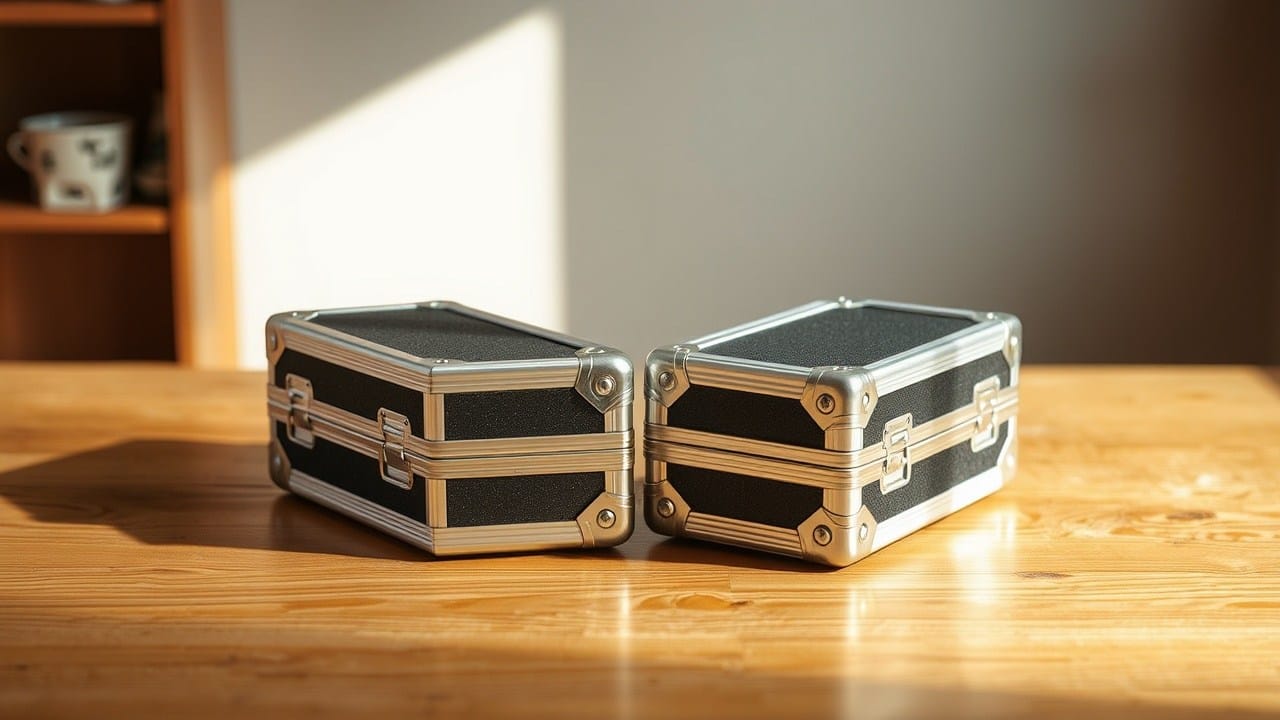
Road cases are indispensable for safeguarding equipment during tours, live events, and even for storage. The effectiveness of a road case hinges significantly on the quality and design of its case hardware. From handles and latches to hinges and corners, each component plays a crucial role in providing durable protection. Understanding the different types of hardware available and their specific functions is key to building or selecting a road case that meets your unique requirements.
Types of Case Hardware
Kingway Metal offers one-stop solutions for all types of case hardware, including chrome finishes for added durability. The range of case parts includes everything needed for constructing robust and reliable cases and road cases. From heavy-duty handles and secure latches to sturdy hinges and reinforcing braces, each component is designed for durability and functionality. Kingway Metal focuses on industrial case hardware, flight case hardware, hinges, industrial furniture accessories, window and door hardware, and building or construction hardware.
Importance of Durable Protection
Durable protection is the cornerstone of any effective road case. The primary function of a road case is to shield equipment from damage during transport, handling, and storage. High-quality case hardware plays a pivotal role in achieving this. Steel corners, for example, provide crucial reinforcement to the case’s most vulnerable points, while robust latches ensure that the lid remains securely closed, even under demanding conditions. The longevity of your equipment depends on the reliability of your road case, making durable protection a non-negotiable factor.
Choosing the Right Materials
Selecting the appropriate materials for your case hardware is essential for ensuring both durability and functionality, particularly when considering options like chrome finishes or 1.5mm thickness. Steel is a common choice for corners and braces due to its strength and ability to withstand impacts. Aluminum extrusions offer a lightweight yet sturdy frame for the case, while zinc coatings can provide added corrosion resistance and chrome options for aesthetics. The right combination of materials will depend on the specific demands of your application, considering factors such as weight limitations, environmental conditions, and the value of the equipment being protected.
Ball Corners and Their Benefits
What Are Ball Corners?
Ball corners are a type of case hardware specifically designed to protect the edges of cases and road cases from impact and wear. Typically made from steel, these corners feature a rounded, ball-shaped design that not only enhances the aesthetic appeal but also provides superior durable protection. Kingway Metal offers steel zinc plated case corners, ensuring resistance to corrosion and longevity. The design of ball corners is used in flight cases and other transport containers to absorb bumps and prevent damage, making them an essential component for anyone in the industry.
Advantages of Using Ball Corners
The advantages of using ball corners in your road case hardware are numerous. Firstly, they provide superior durable protection compared to flat corners, particularly against impacts and knocks during transport. The rounded design helps to deflect force, minimizing damage to the case and its contents. Additionally, ball corners offer enhanced stack ability, allowing cases and road cases to be stacked securely without damaging the corners or the case hardware. The corners offer a professional and polished look, adding to the overall aesthetic of the flight case. This is a key advantage for live events and tours.
Installation Tips for Ball Corners
Installing ball corners correctly is crucial for maximizing their protective benefits. Typically, these corners are attached using rivets or screws, requiring precise alignment and secure fastening. Ensure that the mounting surface is clean and free of debris before attaching the ball corner. Using washers can help distribute pressure and prevent the fasteners from pulling through the case material. When installing, consider the case dimension and the size limitations of your specific application. High-quality installation ensures that the ball corners function effectively, providing reliable durable protection for your cases and road cases during transport.
Flight Cases and Road Cases
Differences Between Flight Cases and Road Cases
While the terms “flight case” and “road case” are often used interchangeably, there are subtle differences. Flight cases are typically designed for air transport, emphasizing lightweight construction and compliance with airline baggage regulations. Road cases, on the other hand, are built for the rigors of ground transport, focusing on robust durable protection against bumps, knocks, and vibrations. Both types utilize similar case hardware, including latches, handles, hinges, and steel corners, but the specific materials and construction methods may vary based on the intended use.
Essential Features of a Quality Road Case
A quality road case should possess several essential features. Durable protection is paramountFor smaller cases, requiring robust case hardware like steel corners and heavy-duty latches is essential. The case should also feature a sturdy frame, often constructed from aluminum extrusions, to withstand the demands of touring and live events. Interior foam padding is crucial for cushioning the equipment and preventing damage during transport, effectively offsetting any potential impacts. Additionally, comfortable handles and smooth-rolling wheels enhance portability, while secure latches ensure the lid remains firmly closed. Kingway Metal emphasizes customization and offers a wide range of standardized options for flight case hardware, including those that can offset movement during transport.
Customizing Your Road Case
Customizing your road case allows you to tailor it to the specific needs of your equipment and application. The customization may involve selecting specific case hardware, such as heavy-duty handles, recessed latches, or reinforced steel corners. Interior configurations can also be customized with foam inserts, dividers, or trays to accommodate different equipment sizes and shapes. Furthermore, you can choose from a variety of finishes and colors to match your brand or personal preference. Customization ensures that your road case provides optimal durable protection and functionality. Kingway Metal emphasizes customization. This allows customers to create the perfect road case for any equipment.
Road Case Corners: Types and Applications
Flat Corners vs. Ball Corners
When choosing road case corner hardware, you’ll typically encounter flat corners and ball corners. Flat corners are the standard option and provide basic protection against impacts and wear. Ball corners, however, offer superior durable protection due to their rounded design. Ball corners are designed to deflect force away from the corner and distribute it across a larger area. This makes them ideal for cases that will be subjected to rough handling or frequent stacking. The choice depends on the level of protection required and the overall aesthetic you desire.
Understanding Road Case Corner Hardware
Road case corner hardware is a critical component for ensuring a flush fit and protection against impacts. durable protection of your equipment. Typically made from steel, road case corners reinforce the edges of the case, preventing damage from impacts, drops, and general wear and tear. Different types of corner hardware are available, including flat corners, ball corners, and angle extrusions. Flat corners offer basic protection, while ball corners provide superior impact resistance. Single angle extrusions, on the other hand, create a reinforced edge that can withstand significant force, making them ideal for heavy-duty cases. Kingway Metal offers steel zinc plated case corners for durability. They also have resistance to corrosion.
Application of Road Case Corners in Various Industries
The application of road case corners extends across various industries, each with unique demands, including those from a case company that specializes in customized solutions. In the music industry, road cases equipped with robust steel corners protect valuable instruments and audio equipment during tours and live events. Broadcasting relies on sturdy corner hardware to safeguard delicate camera gear and broadcasting equipment during transport. Similarly, in the film industry, road cases with durable corners ensure the safe delivery of lighting equipment and camera accessories to remote filming locations. The durability of road case corners is essential for protecting equipment in these demanding environments.
Case Hardware Components
Rivets and Hinges: Key Components
Rivets and hinges are crucial case hardware components. They provide the structural integrity needed for durable protection. Hinges allow lids and doors to swing open and close smoothly. Kingway Metal provides hinges, and these hinges are designed to withstand repeated use. Rivets offer a secure fastening method for joining different case parts together, ensuring a tight and flush connection. Hinges and rivets work together to ensure the road case remains intact. They remain functional even under the demands of transport and live events.
The durability of the hinges and the strength of the rivets directly impact the longevity of the entire case and road case, especially in smaller cases, ensuring they can withstand the rigors of transport. When selecting these components, it’s important to consider the weight and size limitations of your case. This ensures that the chosen hardware is adequate for the intended application. High-quality hinges and rivets contribute to the overall reliability, making them essential for professional case companies. They contribute to the professional appearance of your flight case and road case.
Lid and Lid Stays: Functionality and Design
The lid is a primary component of any road case, providing access to the contents while offering durable protection during transport. Lid stays are essential hardware that support the lid in an open position. This prevents it from falling back and causing injury or damage. The design of the lid and the functionality of the lid stays are important considerations. They are important when building a custom road case. Lid stays come in various styles, including friction stays and folding stays. The perfect lid stay matches the dimension and the weight of the lid.
The material used for the lid should match the case, often aluminum or steel. Reinforcements are added to improve its strength. Furthermore, the design should incorporate features like tongue-and-groove seals to provide a weathertight closure. The lid, combined with robust latches and a durable frame, ensures the contents of the case remain safe and secure throughout its journey. Consider the size limitations of your use case. High-quality material improves the functionality of the road case.
Extrusions: Angle and Double Angle Options
Extrusions form the skeletal framework of a road case, providing structure and reinforcement to corners. Angle extrusions and double angle extrusions are two common types. Angle extrusions provide a single reinforced edge, which is ideal for basic case construction. Double angle extrusions, on the other hand, create a stronger, more rigid corner. This provides enhanced durable protection This case company designs materials that are resistant against impacts. The type of extrusion used depends on the specific needs of the application and the demands it will face.
The corners are made using aluminum or steel for extrusions. Aluminum offers a lightweight option. Steel provides superior strength and durability. Extrusion choices are influenced by the weight restrictions and desired level of protection. The combination of extrusions and corner hardware, such as ball corners or flat corners, contributes to the overall structural integrity of the road case. It ensures that it can withstand the rigors of transport and live events without compromising the safety of the equipment inside.
Building Your Own Road Case
Essential Tools and Materials
Embarking on a DIY road case project requires a set of essential tools and materials. A good metal saw is crucial for cutting aluminum extrusions to the required dimension. You’ll need a drill with various drill bits to make holes for rivets, latches, and handles. Clamps help hold pieces together during assembly, and a measuring tape ensures accuracy. Corner hardware, such as ball corners, and case hardware, such as latches and hinges, should be on the list. This will ensure durable protection.
The choice of material is critical. Plywood is commonly used for the case body, providing a balance of strength and weight. Aluminum extrusions create a robust frame, while steel corners protect the edges from impacts. Rivets and screws secure components together, and foam padding cushions the contents. Always wear safety glasses and gloves to protect yourself. A builder should ensure that all these items are available before construction.
Step-by-Step Guide to Building
Building a custom road case can be a rewarding project. Start by measuring your equipment and determining the case dimension needed. Cut the plywood panels to size, ensuring precise cuts for a snug fit. Assemble the frame using aluminum extrusions and corner hardware, securing them with rivets or screws. Attach the case hardware, including latches, handles, and hinges, ensuring they are properly aligned and securely fastened. Add foam padding to the interior.
Finally, test the fit of your equipment and make any necessary adjustments to ensure everything is flush and secure within the case. Consider adding features like dividers or trays for better organization. Finishing touches like a durable exterior coating enhance the appearance and provide additional protection. Always double-check your measurements and ensure that all connections are tight and secure. This prevents any issues during transport. With careful planning and execution, you can create a road case that is both functional and visually appealing.
Best Practices for Custom Builds
When undertaking a custom road case build, adhere to best practices to ensure a high-quality and durable product. Always measure twice and cut once to avoid costly mistakes. Use high-quality case hardware, such as steel corners and heavy-duty latches, for maximum durable protection. Pay attention to detail when installing components, ensuring proper alignment and secure fastening. The corner hardware should be mounted carefully.
Consider the specific needs of your equipment when designing the interior, incorporating custom foam inserts or dividers to offset movement during transport and enhance protection. Use aluminum or steel for frame. They are ideal for reinforcement. Apply a durable finish to protect the exterior from scratches and wear, ensuring it remains flush against impacts. Test the case thoroughly before entrusting it with valuable equipment. By following these best practices, you can create a custom road case that provides reliable and long-lasting protection for years to come.
Frequently Asked Questions (FAQs)
Q1: What are the benefits of using ball corners on a flight case? A: Ball corners provide superior durable protection for flight cases by deflecting impact forces away from the edges during transport. Their rounded, steel design prevents damage from heavy knocks and bumps while also enhancing stackability, allowing multiple road cases to be stacked safely without damaging the case hardware or the containers themselves.
Q2: What is the difference between a flight case and a road case? A: While the terms are often used interchangeably, flight cases are typically designed for air transport, focusing on lightweight construction that complies with airline baggage regulations. Road cases, however, are built specifically for the rigors of ground transport. They utilize heavier, robust road case hardware—like steel corners and heavy-duty latches—to provide maximum durable protection against constant vibrations and impacts.
Q3: Why is high-quality road case hardware essential for equipment protection? A: High-quality road case hardware is the absolute cornerstone of durable protection. Components such as zinc-plated steel ball corners, secure latches, robust hinges, and aluminum extrusions reinforce the most vulnerable points of a case. This ensures that highly valuable gear used in the music, broadcasting, and film industries remains completely safe from damage during rigorous handling and storage.
Q4: How do ball corners compare to flat corners for road cases? A: Flat corners offer standard, basic edge protection, but ball corners deliver superior durable protection due to their rounded, spherical shape. The ball design effectively distributes impact forces across a larger surface area, making them the ideal hardware choice for heavy-duty road cases that undergo rough handling or require frequent stacking during live events and tours.
Q5: What are the key hardware components needed to build a custom road case? A: Building a custom road case requires a combination of reliable case hardware and sturdy materials. Essential components include plywood for the main body, aluminum extrusions for structural framing, and steel ball corners for crucial edge reinforcement. You will also need secure hinges, heavy-duty latches, lid stays, and rivets. Pairing these with custom interior foam inserts ensures your DIY build offers uncompromising, durable protection tailored to your specific equipment.
